Ever found yourself with a power cord that just doesn’t quite reach the outlet? We’ve all been there. That’s where a trusty extension cord comes in handy, bridging the gap and powering our everyday devices. But just like choosing the right tool for a specific task, selecting the correct extension cord, especially a light duty one, is paramount for both performance and, most importantly, safety. At IRPGS.com, we believe that understanding the nuances of electrical safety isn’t just for professionals; it’s for everyone who wants to power their home efficiently and without worry.
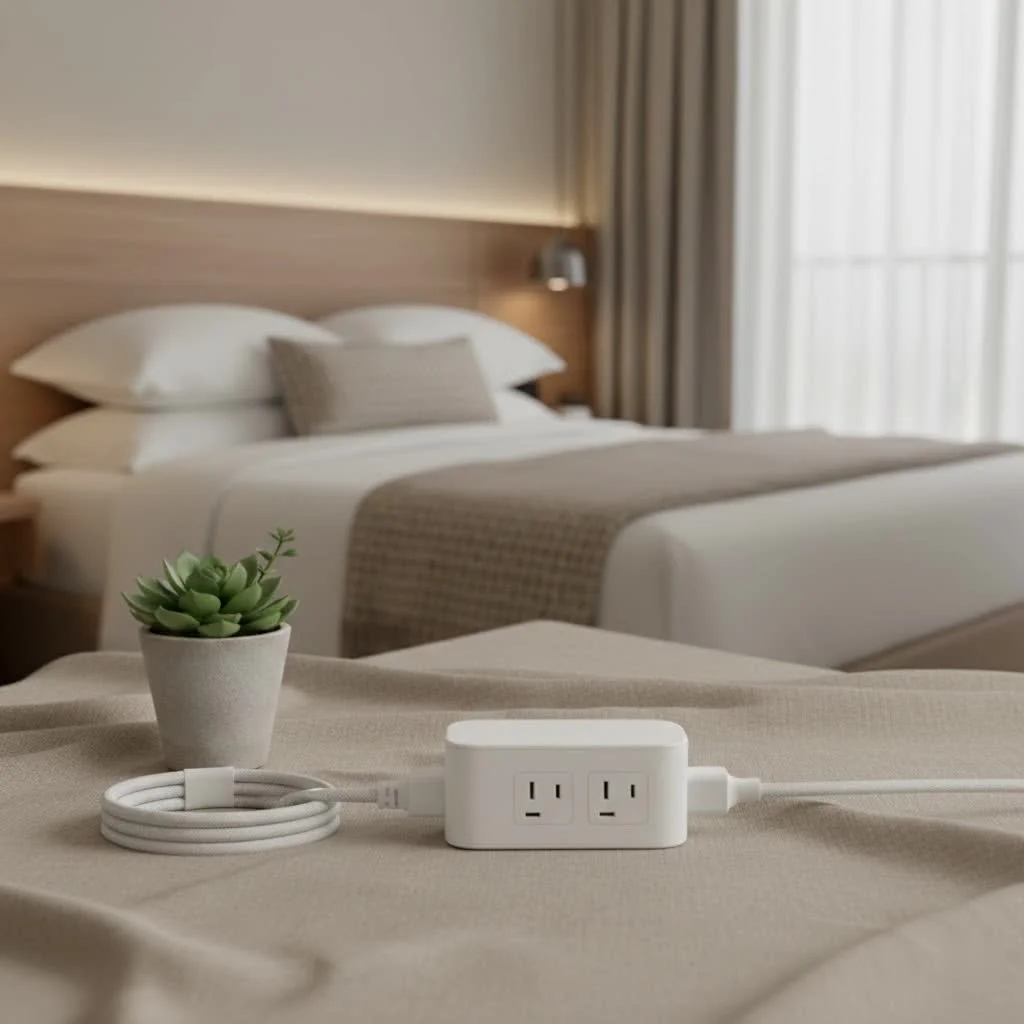
Light duty extension cords are designed to be a convenient solution for low-power needs, but their misuse can lead to serious hazards, including overheating and electrical fires. In this comprehensive guide, we’ll demystify light duty extension cords, helping you understand their specific applications, how to choose the perfect one, and crucial safety practices to keep your home and family safe. Let’s dive in and light up your knowledge!
What Exactly is a Light Duty Extension Cord?
At its core, a light duty extension cord is your go-to for powering small, low-amperage electrical devices that don’t demand a lot of juice. Think of items like your bedside lamp, alarm clock, phone charger, a small portable fan, or those festive holiday lights that bring cheer to your home. These cords are typically characterized by their thinner wire gauges, usually falling into the 18 AWG or 16 AWG categories. Sometimes, for slightly longer runs within the light-duty range, you might even see a 14 AWG, though this often verges into medium-duty territory depending on the specific application and length.
Light duty cords are generally rated to handle lower amperages, often around 7 to 13 amps, depending on their gauge and length. Unlike their heavier-duty counterparts, which boast robust insulation and often a three-prong grounded plug, many basic light duty cords might feature a two-prong plug, indicating they are ungrounded. This makes them suitable for double-insulated appliances but less so for devices requiring a ground connection. Their construction is less rugged, making them ideal for indoor, light-use scenarios where they won’t be subjected to harsh conditions or heavy physical stress. Understanding these fundamental characteristics is the first step in ensuring you’re using the right cord for the job.
The Critical Role of Gauge and Length in Light Duty Cords
When it comes to extension cords, the terms “gauge” and “length” are more than just technical jargon; they are critical safety indicators that determine how much power your cord can safely deliver.
Understanding AWG: The Heart of Your Cord’s Capacity
|
Our Picks for the Best Extension Cord in 2026
As an Amazon Associate I earn from qualifying purchases.
|
||
| Num | Product | Action |
|---|---|---|
| 1 | Amazon Basics Surge Protector Power Strip, 6-Outlet, 790 Joules, LED Indicator, 6ft Extension Cord, White |

|
| 2 | Amazon Basics Rectangle 6-Outlet, 600 Joule Surge Protector Power Strip, 2ft, Black, Small, 2-Pack |
|
| 3 | Amazon Basics Surge Protector Power Strip, 6-Outlet with 200J Protection, 2ft Extension Cord, Rectangle, Black (2 Pack) |
|
| 4 | 6 Ft Surge Protector Power Strip - 8 Widely Outlets with 4 USB Ports, 3 Side Outlet Extender with 6 Feet Extension Cord, Flat Plug, Wall Mount, Desk USB Charging Station, ETL,White |
|
| 5 | Anker Power Strip Surge Protector (2100J), 12 Outlets with 2 USB A and 1 USB C Port for Multiple Devices, 5ft Extension Cord, 20W Power Delivery Charging for Home, Office, Dorm Essential, TUV Listed |
|
| 6 | POOFZY HCP045 Extension Cord, Compatible RGB+IC Permanent Outdoor Lights,9.85ft White |
|
| 7 | Amazon Basics Extension Cord, 10 Ft, 3 Prong Outlet Extender, Indoor Extension Cord, 13 Amps, 125V, Black |
|
| 8 | Surge Protector Power Strip - HANYCONY 8 Outlets 4 USB (2 USB C) Charging Ports, Multi Plug Outlet Extender, 5Ft Braided Extension Cord, Flat Plug Wall Mount Desk Charging Station for Home Office ETL |
|
| 9 | One Beat 10Ft Extension Cord with Multiple Outlets,Flat Plug Power Strip Surge Protector with 10 Ft Long Cord,6 Outlet 4 USB Ports (2USB C),Multi Outlet Wall Plug for Travel,College,Dorm Essentials |
|
| 10 | 10Ft Extension Cord with Multiple Outlets, Flat Plug Surge Protector Power Strip 10 Ft Long Cord, 8 Outlets & 4 USB Ports (2 USB C), Desk Charging Station for Home Office, College Dorm Room Essentials |
|
The American Wire Gauge (AWG) system might seem a bit counterintuitive at first glance: the lower the gauge number, the thicker the wire. So, an 18-gauge wire is thinner than a 16-gauge wire, and a 10-gauge wire is significantly thicker than both. Why does this matter? Thicker wires (lower gauge numbers) have less electrical resistance, allowing them to carry more electrical current (amperage) safely without overheating.
For light duty applications, you’ll typically encounter cords with higher gauge numbers:
- 18 AWG: Best for very short runs (up to about 25 feet) and minimal power needs, like small lamps or phone chargers.
- 16 AWG: A common choice for general light duty use, suitable for devices like portable fans or string lights, especially for lengths up to 50 feet.
- 14 AWG: While often considered light to medium duty, a 14 AWG cord can be used for longer light duty runs (up to 100 feet) where minor voltage drop needs to be minimized.
Using a cord with too high a gauge (meaning a thinner wire) for a device that draws too much power is a recipe for disaster. The cord will resist the electrical flow, generate excessive heat, and could quickly lead to melted insulation, equipment damage, or even a fire.
Why Cord Length is More Than Just Reach
While a longer cord offers convenience, it also introduces a fundamental electrical principle: resistance increases with length. This increased resistance in a longer cord means that less power ultimately reaches your connected device, a phenomenon known as “voltage drop.”
Voltage drop isn’t just about efficiency; it’s a safety concern. When a device receives less than its intended voltage, it has to work harder to perform, drawing more current than the cord might be designed to handle. This can cause the cord itself to overheat and damage the appliance over time. To ensure optimal performance and safety, always opt for the shortest extension cord that can comfortably reach your power source. Avoid coiling excess cord, as this can also trap heat and contribute to overheating.
Choosing the Right Light Duty Extension Cord for Your Needs
Selecting the right light duty extension cord is a crucial step in electrical safety. It’s not just about getting power from point A to point B; it’s about ensuring that journey is safe and efficient.
Matching Your Appliance’s Power Needs
Before you plug anything in, take a moment to check your appliance’s power requirements. Most devices will list their needs in either watts or amps on a label or in the user manual. If your device lists wattage, you can easily convert it to amps by dividing the wattage by the voltage (typically 110-120 volts in the U.S.). For example, a 60-watt lamp on a 120-volt circuit draws 0.5 amps (60W / 120V = 0.5A).
Your extension cord’s amperage rating must be equal to or higher than the total amperage drawn by the device (or devices) you plan to connect. Overlooking this simple step is one of the most common causes of extension cord failures and electrical hazards.
Indoor vs. Outdoor: A Crucial Distinction
This is a non-negotiable rule in electrical safety: never use an indoor extension cord outdoors. Indoor cords are built with thinner insulation that isn’t designed to withstand the elements like moisture, extreme temperatures, or UV light. Outdoor-rated cords, on the other hand, feature durable, weather-resistant insulation, often made of rubber, plastic, or vinyl, and are clearly marked with a “W” on their jacket or packaging to indicate their suitability for outdoor use. They are constructed to handle everything from rain and snow to direct sunlight, providing a much-needed layer of protection against environmental damage that could lead to shock or fire hazards.
Grounding: The Unsung Hero of Safety
You’ve probably noticed that some extension cords have two prongs, while others have three. That third prong is not just for show; it’s a grounding wire, and it plays a vital role in preventing electrical shock and fires. When a device with a metal casing has an internal electrical fault, the grounding wire provides a safe path for excess electricity to dissipate, rather than channeling it through you if you were to touch the appliance.
While two-prong light duty cords are acceptable for double-insulated devices, it’s generally a safer practice to opt for three-prong grounded cords whenever possible, especially if you’re unsure about the insulation of your appliance. Never remove the third prong from a cord or use an adapter to force a three-prong plug into a two-prong outlet, as this bypasses a critical safety feature and significantly increases your risk.
Safe Use and Maintenance: Maximizing Your Cord’s Lifespan and Safety
Even the best light duty extension cord can become a hazard if not used and maintained properly. Think of these practices as the golden rules of electrical safety.
The “Temporary Use” Golden Rule
This is perhaps the most critical piece of advice: extension cords are designed for temporary use only. They are not meant to be a permanent wiring solution for your home or office. Over time, constant use, foot traffic, or being tucked away behind furniture can cause damage to the insulation and internal wiring, creating hidden hazards that can lead to electrical failures or fires. If you find yourself consistently needing extra reach in a particular spot, it’s a clear sign that you should consider having a qualified electrician install additional permanent outlets.
Common Pitfalls to Avoid
- Overloading: This is the most frequent cause of extension cord fires. Always calculate the total amperage of all devices you plan to plug into a single cord. If that total exceeds the cord’s maximum amperage rating, you’re inviting trouble. An overloaded cord will feel warm or hot to the touch – a clear warning sign.
- Daisy-Chaining: Never, ever plug one extension cord into another. This “daisy-chaining” significantly increases the electrical load, leading to severe overheating, voltage drop, and a very high risk of fire. Each cord has its own capacity, and combining them improperly overwhelms the circuit.
- Running Under Rugs or Through Doorways: Hiding cords under carpets or forcing them through doorways might seem like a neat solution, but it’s incredibly dangerous. This practice not only damages the cord’s insulation from continuous pressure and abrasion but also traps heat, preventing proper dissipation and dramatically increasing the risk of fire.
- Damaged Cords: Regularly inspect your extension cords for any signs of wear and tear. Look for fraying, cuts, exposed wires, cracked insulation, bent or missing prongs, or any discoloration that suggests overheating. A damaged cord is a hazardous cord and should be immediately replaced, not repaired with electrical tape.
- Wet Hands or Water Exposure: Electricity and water are a deadly combination. Always ensure your hands are dry when handling extension cords, and keep cords away from sinks, bathtubs, puddles, or any other water sources, especially when using them outdoors. A Ground Fault Circuit Interrupter (GFCI) outlet or extension cord is recommended when operating in damp locations to provide an extra layer of protection against shock.
Proper Handling and Storage
When you’re done using a light duty extension cord, don’t just yank it from the wall. Always pull firmly from the plug itself, not the cord, to prevent damaging the internal wiring. When storing, coil it neatly to prevent kinks and tangles that can cause internal wire damage over time. Unplugging cords when not in use also conserves energy and minimizes potential risks.
Expert Insight: A Word on Cord Safety
“Using the correct light duty extension cord is like choosing the right tool for the job – it ensures efficiency and, more importantly, prevents dangerous electrical overloads and potential fires. Always double-check your appliance’s power requirements against the cord’s rating. When in doubt, always err on the side of caution and opt for a cord with a higher capacity or consult a qualified electrician.” – Dr. Eleanor Vance, Electrical Safety Engineer.
Frequently Asked Questions about Light Duty Extension Cords
Q1: Can I use a light duty extension cord for a space heater?
A1: Absolutely not. Space heaters draw a significant amount of power (typically 12.5 amps or more), far exceeding the capacity of most light duty extension cords (usually 7-13 amps). Using a light duty cord with a space heater will almost certainly lead to overheating, cord damage, and a high risk of fire. Always plug high-wattage appliances directly into a wall outlet.
Q2: What do the letters on an extension cord mean (e.g., S, W, J)?
A2: These letters are NEMA (National Electrical Manufacturers Association) codes indicating the cord’s construction and intended use.
- S: Service cord, rated for general use (often 600V insulation).
- W: Weather resistant, suitable for outdoor use.
- J: Junior service, rated for 300V insulation (less heavy duty than an ‘S’ cord).
- T: Thermoplastic jacket (vinyl).
- E: Thermoplastic Elastomer jacket (TPE).
- O: Oil resistant outer jacket.
For example, an “SJT” cord is a general-use, junior service cord with a thermoplastic jacket.
Q3: Is an 18 AWG cord safe for my laptop?
A3: For most modern laptops and their chargers, an 18 AWG light duty cord of a reasonable length (e.g., 6-10 feet) is generally safe, as laptops typically draw low amperage. However, always check your laptop charger’s specific wattage or amperage to ensure it falls within the cord’s rated capacity, and use the shortest cord possible.
Q4: How can I tell if my extension cord is overloaded?
A4: The most obvious sign of an overloaded extension cord is if the cord or its plug feels warm or hot to the touch. Other indicators include a burning plastic smell, flickering lights on connected devices, or an automatic circuit breaker tripping. If you notice any of these signs, immediately unplug the cord.
Q5: Can light duty cords be repaired if damaged?
A5: No. Damaged extension cords, whether light duty or heavy duty, should never be repaired. Any cuts, fraying, or exposed wires compromise the cord’s insulation and safety features. Attempting to tape or repair a damaged cord creates a significant risk of electrical shock or fire. It’s always safest to replace a damaged cord with a new, appropriately rated one.
Power Up Safely with IRPGS.com
Navigating the world of electrical cords doesn’t have to be shocking! By understanding the specific capabilities and limitations of light duty extension cords, you empower yourself to make informed, safe choices for your home and appliances. Remember, these handy tools are meant for temporary, low-power applications. Always prioritize the correct gauge and length for your device, distinguish between indoor and outdoor uses, and embrace grounded connections for enhanced safety.
Your commitment to safe electrical practices not only protects your devices but, more importantly, safeguards your home and loved ones from potential hazards. At IRPGS.com, we are dedicated to providing you with the expert knowledge you need to handle electricity with confidence and care. Keep these tips in mind, inspect your cords regularly, and never hesitate to choose safety over convenience. Power on, responsibly!
Get our weekly buyer guide
Practical specs, not advice. Unsubscribe anytime.