In our modern, gadget-filled lives, electrical cords are everywhere. But let’s be honest, traditional round extension cords can be a real headache, creating unsightly clutter and even hazardous tripping zones. That’s where the flat cord extension cord swoops in as a true game-changer. These innovative, low-profile power solutions offer a sleek, safe, and efficient way to power your devices, transforming your space from tangled chaos to organized calm. As a long-time expert in electrical safety and content creator for IRPGS.com, I’m here to illuminate everything you need to know about integrating flat cord extension cords into your home or office, ensuring both convenience and peace of mind.
Understanding Flat Cord Extension Cords: What Makes Them Different?
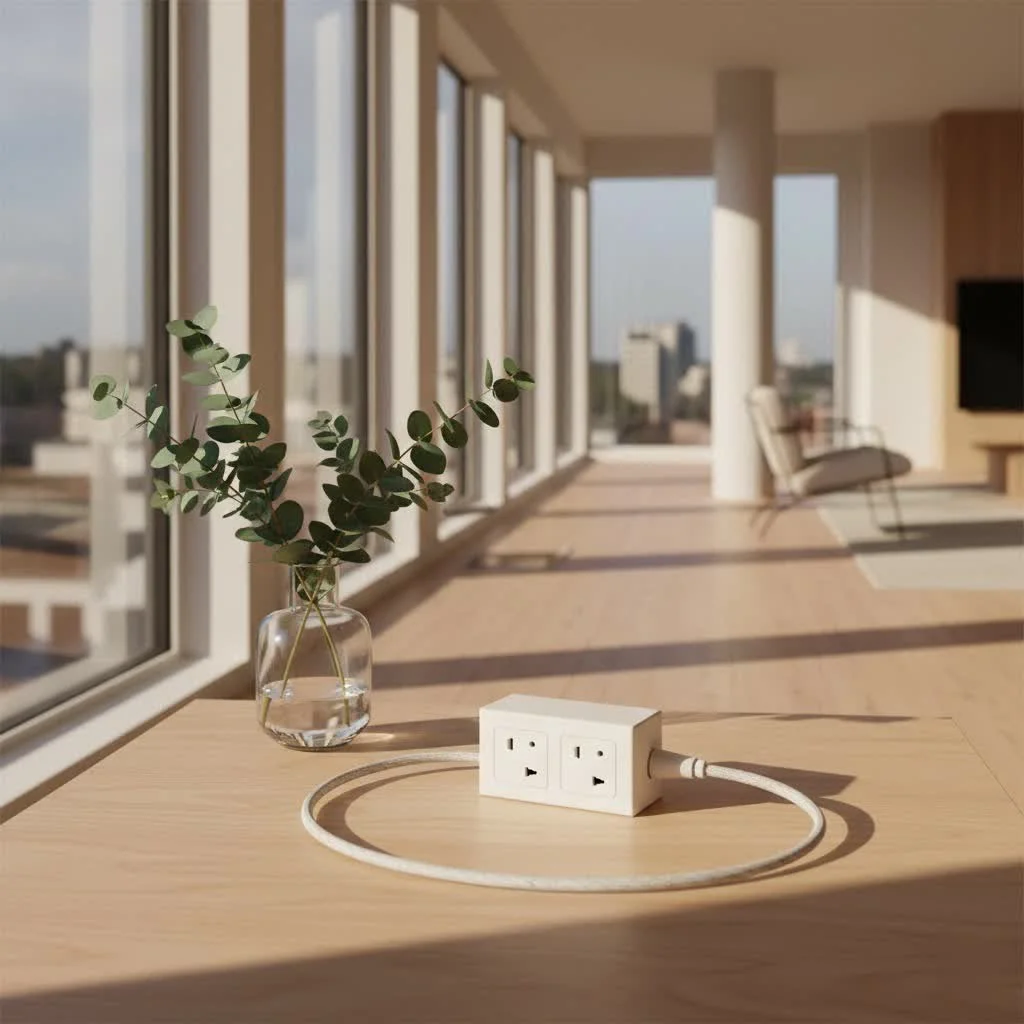
At its core, a flat cord extension cord is designed with a distinctively slim, parallel construction. Unlike the bulky, round counterparts that can jut out from outlets and create noticeable bumps, flat cords are engineered to lie flush against walls or surfaces. This unique design is not just about aesthetics; it’s a fundamental shift in how we approach electrical management, offering practical benefits that extend far beyond mere appearance.
“Think of it this way,” explains David Nguyen, Senior Electrical Safety Analyst at IRPGS, “A flat cord is built to disappear. Its low profile drastically minimizes visual clutter and, more importantly, reduces the physical obstacles that traditional cords often create.”
The Unbeatable Benefits of Flat Cord Extension Cords
The advantages of opting for a flat cord extension cord are compelling, addressing many common frustrations associated with power management.
Space-Saving Solutions: Maximizing Your Living and Working Areas
One of the most celebrated features of flat cord extension cords is their ability to reclaim valuable space. With their slim plugs and low-profile cables, you can finally push furniture—like sofas, beds, or entertainment centers—closer to the wall without crushing the cord or leaving unsightly gaps. This is especially beneficial in smaller rooms or tight quarters where every inch truly counts.
Enhanced Safety: Minimizing Tripping Hazards and Accidents
Traditional, round extension cords are notorious for creating tripping hazards, particularly in high-traffic areas. Flat cord extension cords, however, hug the ground closely or run discreetly along baseboards, significantly reducing the risk of accidental slips and falls. This makes them an optimal solution for homes with children, pets, or any environment where foot traffic is constant.
Improved Aesthetics: Creating a Cleaner, Clutter-Free Environment
Beyond safety and practicality, flat cords offer a significant aesthetic upgrade. They allow for a much tidier look by making it easier to conceal cords behind furniture, under rugs (with proper precautions), or along architectural lines. This reduction in visible clutter contributes to a more organized, serene, and visually appealing space, letting your decor shine without unsightly electrical distractions.
Flexibility and Durability: Ease of Use and Long-Lasting Performance
|
Our Picks for the Best Extension Cord in 2026
As an Amazon Associate I earn from qualifying purchases.
|
||
| Num | Product | Action |
|---|---|---|
| 1 | One Beat 10Ft Extension Cord with Multiple Outlets,Flat Plug Power Strip Surge Protector with 10 Ft Long Cord,6 Outlet 4 USB Ports (2USB C),Multi Outlet Wall Plug for Travel,College,Dorm Essentials |

|
| 2 | 6 Ft Surge Protector Power Strip - 8 Widely Outlets with 4 USB Ports, 3 Side Outlet Extender with 6 Feet Extension Cord, Flat Plug, Wall Mount, Desk USB Charging Station, ETL,White |
|
| 3 | Amazon Basics Extension Cord, 10 Ft, 3 Prong Outlet Extender, Indoor Extension Cord, 13 Amps, 125V, Black |
|
| 4 | 10Ft Extension Cord with Multiple Outlets, Flat Plug Surge Protector Power Strip 10 Ft Long Cord, 8 Outlets & 4 USB Ports (2 USB C), Desk Charging Station for Home Office, College Dorm Room Essentials |
|
| 5 | POOFZY HCP045 Extension Cord, Compatible RGB+IC Permanent Outdoor Lights,9.85ft White |
|
| 6 | Amazon Basics Surge Protector Power Strip, 6-Outlet with 200J Protection, 2ft Extension Cord, Rectangle, Black (2 Pack) |
|
| 7 | Anker Power Strip Surge Protector (2100J), 12 Outlets with 2 USB A and 1 USB C Port for Multiple Devices, 5ft Extension Cord, 20W Power Delivery Charging for Home, Office, Dorm Essential, TUV Listed |
|
| 8 | Amazon Basics Surge Protector Power Strip, 6-Outlet, 790 Joules, LED Indicator, 6ft Extension Cord, White |
|
| 9 | Surge Protector Power Strip - HANYCONY 8 Outlets 4 USB (2 USB C) Charging Ports, Multi Plug Outlet Extender, 5Ft Braided Extension Cord, Flat Plug Wall Mount Desk Charging Station for Home Office ETL |
|
| 10 | Amazon Basics Rectangle 6-Outlet, 600 Joule Surge Protector Power Strip, 2ft, Black, Small, 2-Pack |
|
Thanks to their unique construction, many flat cord designs are surprisingly flexible, making them easier to coil, uncoil, and maneuver in cramped workspaces. Some even come with rotating plugs, adding an extra layer of versatility to reach outlets from any angle. Furthermore, their structural load-carrying capacity, often distributed across multiple conductors and robust insulation, can make them quite durable and less prone to warping or damage compared to some traditional round cords.
Choosing the Right Flat Cord Extension Cord for Your Needs
Selecting the appropriate flat cord extension cord isn’t just about finding the slimmest option; it’s about matching the cord’s capabilities to your specific electrical demands and environment. A smart choice ensures both efficiency and safety.
Gauge Matters: Powering Your Devices Safely
Understanding wire gauge is paramount for any extension cord. The American Wire Gauge (AWG) system indicates the thickness of the wire: a smaller gauge number signifies a thicker wire, which can safely carry more electrical current.
- Higher Gauge (e.g., 16 AWG or 18 AWG): Suitable for light-duty appliances such as lamps, chargers, and small electronics.
- Lower Gauge (e.g., 12 AWG or 14 AWG): Necessary for heavier-duty appliances like power tools, air conditioners, or multiple devices plugged into a power strip.
Always check the wattage and amperage requirements of your devices. The extension cord’s rating must meet or exceed the combined requirements of all connected appliances to prevent dangerous overloading and overheating.
Length and Voltage Drop: Finding the Perfect Reach
While it might be tempting to buy the longest cord available “just in case,” shorter is often safer and more efficient. Longer cords are more susceptible to “voltage drop,” which means the electrical current loses power over distance. This can lead to your appliances being underpowered and, critically, cause the cord itself to overheat. Always aim for the shortest practical length that comfortably reaches your outlet.
Plug Type and Certifications: Ensuring Trustworthiness
When you’re choosing a flat cord, pay close attention to the plug type:
- 2-Prong Plugs: These cords lack a grounding pin and are generally suitable only for double-insulated devices that don’t require a ground connection.
- 3-Prong Plugs: These include a grounding pin, which provides an essential safety path for electricity in case of a fault. Always opt for a three-pronged flat extension cord, especially for devices that have grounded plugs.
Crucially, always look for certification marks from independent testing laboratories like UL (Underwriters Laboratories), CSA (Canadian Standards Association), or ETL. These certifications signify that the cord has been tested and meets stringent safety and performance standards.
Indoor vs. Outdoor: The Right Cord for the Environment
Not all flat cords are created equal regarding their intended environment:
- Indoor Flat Cords: These typically have lighter insulation and are designed for dry, climate-controlled indoor spaces.
- Outdoor Flat Cords: These feature thicker, more robust insulation to resist moisture, extreme temperatures, and UV rays from sunlight. Using an indoor cord outdoors can lead to rapid deterioration and create serious safety hazards.
For any outdoor use, or in areas prone to moisture like bathrooms or kitchens, consider flat cords with built-in Ground Fault Circuit Interrupter (GFCI) protection, which can instantly cut power in case of an electrical fault.
Safe Use and Maintenance: Keeping Your Home Protected
Even the highest quality flat cord extension cord can become a hazard if misused. Adhering to strict safety guidelines is non-negotiable for protecting your home and loved ones.
Regular Inspections: Your First Line of Defense
Before each use, take a moment to inspect your flat cord extension cord. Look for any signs of damage such as frayed insulation, exposed wires, cuts, kinks, or damaged plugs/sockets. If you spot any wear and tear, however minor it seems, immediately discard the cord and replace it. A compromised cord is a significant fire and shock risk.
Avoiding Overload: The Hidden Danger
One of the most common and dangerous mistakes is overloading an extension cord. Every cord has a maximum amperage and wattage rating it can safely handle. Plugging too many devices, or high-wattage appliances, into a single flat cord can cause it to overheat, melt, and potentially ignite a fire. Avoid “daisy-chaining” extension cords (plugging one into another) as this significantly diminishes their current capacity and increases fire risk.
Smart Placement: Out of Sight, Not Underfoot (or Rugs!)
While flat cords excel at being discreet, it’s crucial never to run them under rugs, carpets, furniture, or through doorways. This practice can cause the cord to overheat because heat cannot dissipate effectively. It also makes the cord vulnerable to damage from foot traffic or being pinched, potentially exposing live wires. Instead, route your flat cords along walls or baseboards, and consider using cord covers in high-traffic areas for added protection.
Temporary Solutions Only: When to Call a Pro
Remember, extension cords—flat or round—are designed for temporary use only. They are not a substitute for permanent electrical wiring. If you find yourself relying on an extension cord in a location for an extended period, it’s a clear sign that you might need additional permanent outlets. Consulting a qualified electrician to install new outlets is the safest long-term solution.
Handling with Care: Unplugging and Storage
Always unplug an extension cord when it’s not in use to conserve energy and eliminate potential hazards. When disconnecting, grasp the plug firmly and pull it straight from the outlet; never yank the cord itself, as this can damage the wires and connections over time. Store cords loosely coiled in a cool, dry place, away from extreme temperatures and moisture, to prolong their lifespan and prevent damage.
Specific Warnings
- Not for Space Heaters: Never use an extension cord with a space heater. These appliances draw a significant amount of power, and an extension cord can quickly overheat, posing a severe fire hazard.
- Keep Away from Water and Heat: Electricity and water are a dangerous combination. Avoid using flat cords near sinks, bathtubs, or other wet areas. Similarly, keep them away from heat sources, which can degrade the cord’s insulation. If use in a damp area is unavoidable, ensure the cord has GFCI protection.
- Never Remove Grounding Prong: Do not tamper with the third, grounding prong of a cord to fit it into a two-prong outlet. This bypasses a crucial safety feature and significantly increases the risk of electrical shock.
Common Issues with Flat Cord Extension Cords and How to Address Them
Even with proper care, issues can arise. Knowing how to identify and address them is crucial.
- Overheating: If your flat cord extension cord feels warm or hot to the touch, unplug it immediately. This is a critical warning sign of overloading or internal damage. Redistribute devices to other outlets or use a higher-gauge cord if necessary.
- Damage and Wear: As discussed, regular inspection is key. If you notice any physical damage, do not attempt to repair it. The safest course of action is to replace the cord.
- Voltage Drop: If your devices seem to be underperforming or running slowly when plugged into a long flat cord, it could be due to voltage drop. Shorten the cord length or consider a thicker (lower gauge) cord to ensure adequate power delivery.
Frequently Asked Questions (FAQ)
Are flat cord extension cords safer than round ones?
Flat cord extension cords generally offer enhanced safety due to their low-profile design, which significantly reduces tripping hazards in comparison to bulkier round cords. However, their overall safety still depends on proper selection, usage, and maintenance.
Can I use a flat extension cord outdoors?
Only if it is specifically marked and rated for outdoor use. Outdoor flat cords have thicker, weather-resistant insulation to withstand moisture, temperature fluctuations, and UV exposure. Using an indoor cord outdoors is highly unsafe.
How do I know what gauge flat extension cord I need?
You determine the necessary gauge by checking the wattage and amperage requirements of the devices you’ll be powering. A smaller gauge number (e.g., 12 AWG) indicates a thicker wire capable of handling more power, suitable for heavy-duty appliances. Larger gauge numbers (e.g., 16 AWG, 18 AWG) are for light-duty devices.
Is it okay to plug multiple flat extension cords together?
No, it is never recommended to “daisy-chain” extension cords. This practice can lead to overloading, voltage drop, and significantly increases the risk of overheating and fire.
Can I run a flat extension cord under a rug?
Absolutely not. Running any extension cord, including a flat one, under rugs, carpets, or furniture is a major fire hazard. It prevents heat from dissipating and makes the cord vulnerable to damage, which can expose live wires and cause a fire.
Conclusion
Flat cord extension cords offer a fantastic solution for modern power needs, blending seamlessly into your environment while providing the necessary electrical reach. Their low-profile design, space-saving benefits, and reduced tripping hazards make them a superior choice for many applications. However, like any electrical device, their safe and efficient use hinges on informed selection and diligent adherence to safety guidelines. By understanding wire gauge, length, certifications, and proper placement, you can confidently harness the benefits of flat cord extension cords. Always remember: electrical safety is paramount. For more in-depth knowledge and trusted advice on all things electrical, keep IRPGS.com as your go-to resource, ensuring your home and workplace remain powered safely and effectively.
Get our weekly buyer guide
Practical specs, not advice. Unsubscribe anytime.