In today’s electrically driven world, an AC extension cord is often the unsung hero, providing the reach we need to power our devices, tools, and appliances. From lighting up a festive outdoor gathering to running heavy machinery in your workshop, these versatile cables bridge the gap between your power source and your electrical needs. But not all AC extension cords are created equal, and understanding their nuances is absolutely crucial for both efficiency and, more importantly, safety. As content creators for IRPGS.com, with over a decade in the field, we’re here to demystify everything about AC extension cords, ensuring you make informed choices that keep your home and projects running smoothly and securely.
Types of AC Extension Cords: Knowing Your Power Link
Before you even think about plugging anything in, it’s vital to recognize that the world of AC extension cords is far more diverse than you might imagine. Each type is designed for specific applications, environments, and power demands.
Light-Duty vs. Heavy-Duty
At one end of the spectrum, we have light-duty AC extension cords, typically found powering everyday household items like lamps, radios, and phone chargers. These cords usually feature thinner wires, often around 16-gauge, and are suitable for devices with low power requirements.
On the other hand, heavy-duty AC extension cords are the workhorses. Built with thicker wires, often 10- or 12-gauge, they are designed to handle higher current loads. Think power tools, air conditioners, and industrial equipment. Using a light-duty cord for a heavy-duty appliance is a major fire hazard, as the thin wires can quickly overheat and melt.
Indoor vs. Outdoor
The environment where you plan to use your AC extension cord dictates another critical distinction: indoor versus outdoor.
- Indoor Cords: These are typically less robust, designed for dry, sheltered environments. They might have simpler insulation and are not meant to withstand moisture, extreme temperatures, or physical abrasion.
- Outdoor Cords: Identifiable by their often bright orange or yellow jackets, these cords are built tough. They feature durable, weather-resistant insulation (plastic, rubber, or vinyl) to protect against water, sunlight, and temperature fluctuations. Most outdoor cords are also three-pronged, offering essential grounding for safety. Remember, while an outdoor cord can often be used indoors, an indoor cord should never be used outside.
Specialty Cords
Beyond the basics, you’ll find specialty AC extension cords tailored for unique needs:
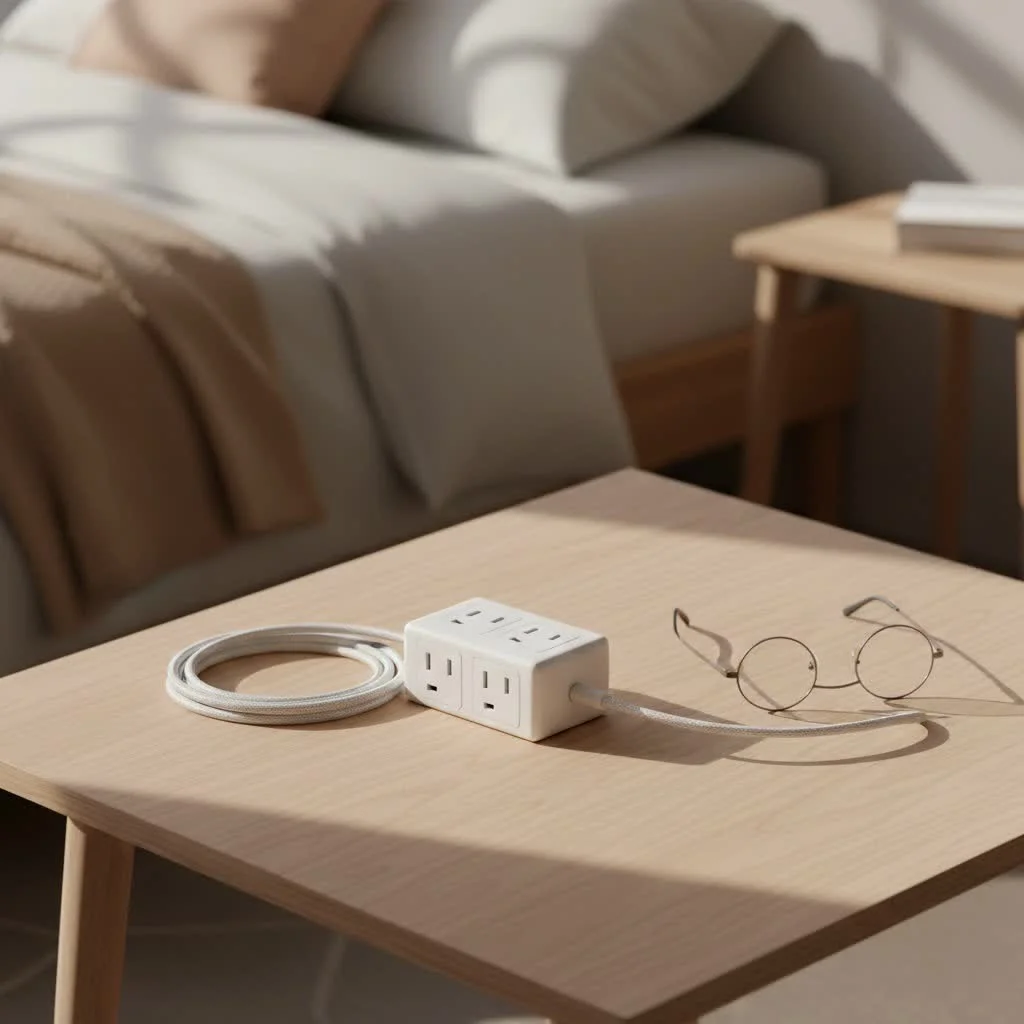
- Multi-Outlet Cords: These cords offer several receptacles, sometimes including USB ports, allowing you to power multiple devices from a single wall outlet. Many come with built-in surge protection, a crucial feature for sensitive electronics.
- Retractable Cords: Perfect for occasional use, these cords coil neatly into a housing, preventing tangles and making storage a breeze.
- GFCI Cords: Equipped with a Ground Fault Circuit Interrupter, these cords offer enhanced safety by shutting off power instantly if they detect a ground fault, drastically reducing the risk of electric shock.
How to Choose the Right AC Extension Cord: Your Essential Buying Guide
Choosing the correct AC extension cord isn’t just about grabbing the longest one or the cheapest one; it’s about matching the cord’s specifications to your electrical needs to ensure optimal performance and, most importantly, safety.
Understanding AWG: The Gauge Game
|
Our Picks for the Best Extension Cord in 2026
As an Amazon Associate I earn from qualifying purchases.
|
||
| Num | Product | Action |
|---|---|---|
| 1 | Surge Protector Power Strip - HANYCONY 8 Outlets 4 USB (2 USB C) Charging Ports, Multi Plug Outlet Extender, 5Ft Braided Extension Cord, Flat Plug Wall Mount Desk Charging Station for Home Office ETL |

|
| 2 | Amazon Basics Rectangle 6-Outlet, 600 Joule Surge Protector Power Strip, 2ft, Black, Small, 2-Pack |
|
| 3 | Amazon Basics Surge Protector Power Strip, 6-Outlet, 790 Joules, LED Indicator, 6ft Extension Cord, White |
|
| 4 | 6 Ft Surge Protector Power Strip - 8 Widely Outlets with 4 USB Ports, 3 Side Outlet Extender with 6 Feet Extension Cord, Flat Plug, Wall Mount, Desk USB Charging Station, ETL,White |
|
| 5 | 10Ft Extension Cord with Multiple Outlets, Flat Plug Surge Protector Power Strip 10 Ft Long Cord, 8 Outlets & 4 USB Ports (2 USB C), Desk Charging Station for Home Office, College Dorm Room Essentials |
|
| 6 | One Beat 10Ft Extension Cord with Multiple Outlets,Flat Plug Power Strip Surge Protector with 10 Ft Long Cord,6 Outlet 4 USB Ports (2USB C),Multi Outlet Wall Plug for Travel,College,Dorm Essentials |
|
| 7 | Anker Power Strip Surge Protector (2100J), 12 Outlets with 2 USB A and 1 USB C Port for Multiple Devices, 5ft Extension Cord, 20W Power Delivery Charging for Home, Office, Dorm Essential, TUV Listed |
|
| 8 | Amazon Basics Extension Cord, 10 Ft, 3 Prong Outlet Extender, Indoor Extension Cord, 13 Amps, 125V, Black |
|
| 9 | POOFZY HCP045 Extension Cord, Compatible RGB+IC Permanent Outdoor Lights,9.85ft White |
|
| 10 | Amazon Basics Surge Protector Power Strip, 6-Outlet with 200J Protection, 2ft Extension Cord, Rectangle, Black (2 Pack) |
|
The American Wire Gauge (AWG) system is paramount when selecting an extension cord. This seemingly simple number tells you the thickness of the cord’s internal wires:
- Lower AWG numbers indicate thicker wires. For example, a 10-gauge cord is thicker than a 16-gauge cord.
- Thicker wires can safely carry more electrical current. This is a non-negotiable rule.
“When it comes to AC extension cords, the gauge is your first safety check. Always remember: a smaller number means a bigger capacity,” advises Eleanor Vance, a seasoned electrical safety engineer. Using a cord with too high an AWG (meaning too thin a wire) for a high-power appliance can lead to dangerous overheating and potential fires. For most window air conditioners, a 12-gauge AC extension cord is a safe bet, though a 10-gauge offers an even greater margin of safety. For light-duty tasks like lamps, a 16-gauge cord is usually sufficient.
Length Matters: Finding the Sweet Spot
While a longer cord offers more reach, it’s not always better. Electrical resistance increases with distance, meaning longer cords can lead to:
- Voltage Drop: Your devices may not receive enough power, causing them to perform poorly or even get damaged over time.
- Overheating: Increased resistance can generate more heat, especially with heavier loads.
Always choose the shortest AC extension cord possible for your needs. Avoid “daisy-chaining” – plugging one extension cord into another – as this significantly increases resistance and fire risk. If you need extensive reach, invest in a single cord of appropriate length and gauge. For longer runs (over 50 feet) with high-power equipment, you might even need to step up to the next heavier gauge to compensate for voltage drop.
Matching Amperage and Wattage: Powering Up Safely
Every electrical device has a power requirement, usually listed in amps (A) or watts (W). Similarly, every AC extension cord has a maximum amperage and wattage rating it can safely handle.
- Always ensure the cord’s rating is equal to or higher than the device’s requirement.
- If you’re plugging multiple items into a multi-outlet cord, sum their wattage or amperage to ensure the total doesn’t exceed the cord’s rating. Overloading is a primary cause of electrical fires.
Safety Certifications and Features
Look for certification labels from reputable testing organizations like UL (Underwriters Laboratories), ETL, CE, or CSA. These marks indicate that the product has undergone rigorous testing and meets specific safety standards. Additionally, consider cords with:
- Three-Prong Plugs: The third prong provides a grounding path, offering crucial protection against electrical shock.
- GFCI (Ground Fault Circuit Interrupter): Especially vital for outdoor use or in areas near water, a GFCI offers an extra layer of protection by cutting power if a ground fault is detected.
- Surge Protection: Built-in surge protectors shield your valuable electronics from sudden voltage spikes.
Safe Use and Maintenance of AC Extension Cords: Extending Lifespan and Preventing Hazards
Even the best AC extension cord can become a hazard if misused. Adhering to proper usage and maintenance practices is critical to ensuring safety and extending the lifespan of your cords.
The Golden Rules of Usage
Think of these as your non-negotiables when using any AC extension cord:
- Temporary Solutions Only: Extension cords are designed for temporary power needs, not as a permanent wiring solution. If you find yourself consistently relying on a cord in one spot, it’s time to consider a permanent electrical outlet installation.
- Never Overload: This is perhaps the most critical rule. Never exceed the cord’s wattage or amperage rating. If a cord feels hot to the touch, it’s a sign of overloading – unplug it immediately.
- Keep it Uncoiled: When in use, always uncoil the entire length of your AC extension cord. A coiled cord can trap heat, leading to dangerous overheating, even if the load isn’t technically exceeding its rating.
- Avoid Obstructions: Never run extension cords under carpets, rugs, furniture, or through doorways where they can be pinched or damaged. This can damage the insulation, create a fire hazard, and pose a tripping risk.
- Match Indoor with Indoor, Outdoor with Outdoor: As discussed, indoor cords are not designed for the rigors of outdoor use.
- Pull the Plug, Not the Cord: When disconnecting a cord, always grasp the plug itself, not the cord. Pulling on the cord can damage the internal wiring or the connection to the plug, leading to fraying and exposed wires.
Routine Inspection: Your First Line of Defense
A quick visual inspection before each use can prevent serious accidents. Look for any signs of damage:
- Frayed or Cracked Insulation: Exposed wires are an immediate shock and fire hazard.
- Discoloration or Melted Spots: These are clear indicators of overheating.
- Bent or Missing Prongs: A damaged plug can create a poor connection and is unsafe.
- Loose Connections: Check where the cord enters the plug or receptacle for any signs of strain or separation.
If you spot any of these issues, the cord is compromised. Minor damage, like a small fray near the plug, might be fixable by replacing the plug end, but significant damage to the cord’s jacket or internal wires warrants immediate replacement. “Regularly inspecting your AC extension cords is as important as checking the oil in your car,” says Eleanor Vance. “A small crack today could be a big problem tomorrow.”
Proper Storage and Handling
Good habits extend the life of your cords:
- Unplug When Not in Use: Always unplug extension cords from the wall when they’re not actively being used to prevent potential electrical issues and save energy.
- Coil Loosely: When storing, coil the cord loosely to prevent kinks and damage to the internal wiring. Cord reels and hooks are excellent for organized, tangle-free storage.
- Store in a Cool, Dry Place: Protect cords from extreme temperatures, moisture, and direct sunlight, which can degrade the insulation over time. Keep them away from sharp objects that could cause cuts or abrasions.
Common AC Extension Cord Issues and How to Fix Them: Troubleshooting Like a Pro
Even with the best care, AC extension cords can encounter problems. Knowing how to identify and address these common issues can save you money, time, and potentially prevent dangerous situations.
Physical Damage: When to Repair, When to Replace
- Frayed or Exposed Wires: This is a serious hazard. For very minor, superficial frays on the outer jacket that don’t expose any inner conductors, you might temporarily patch with electrical tape as a stop-gap. However, if any colored wires (hot, neutral, ground) are visible, or the damage is extensive, replace the cord immediately. A permanent repair involving wire splicing should only be done by a qualified electrician, if at all.
- Damaged Plugs or Receptacles: If the prongs are bent, broken, or the plastic housing of the plug/receptacle is cracked or discolored, you can often repair this yourself by purchasing a replacement plug end (male or female) from a hardware store. This DIY fix can save a perfectly good cord from the trash. Ensure you match the original plug’s configuration (e.g., three-prong to three-prong) and follow the replacement instructions carefully.
Overheating and Voltage Drop: Diagnosing Power Problems
- Overheating: If your AC extension cord feels warm or hot during operation, it’s a clear sign of trouble. This can be caused by overloading the cord, using an undersized gauge for the appliance, or operating a coiled cord. Unplug immediately. Identify the cause and rectify it. If the cord shows signs of melting or extreme heat, it must be replaced.
- Voltage Drop: Notice your power tools running sluggishly, or your lights dimming when plugged into a long extension cord? This is likely voltage drop. It occurs when the cord is too long or its gauge is too thin for the amount of power being drawn. The fix is to use a shorter cord or a heavier-gauge cord (lower AWG number) to ensure your devices receive adequate power.
Loose Connections and Electrical Arcing
- Crackling Sounds or Flickering Power: These are alarming signs, often indicating loose internal connections or electrical arcing (sparking) within the cord or at the plug-in point. This can be caused by a damaged cord, a faulty plug, or even a loose wall outlet. Immediately unplug the cord and inspect it. If the cord or plug is damaged, replace it. If the wall outlet appears to be the problem (e.g., discolored, loose), consult a professional electrician. Arcing can lead to significant fire hazards.
- Tripping Circuit Breakers or Blown Fuses: If your circuit breaker frequently trips or a fuse blows when you use an AC extension cord, it’s usually a sign of an overload or a short circuit. Check the total wattage of all devices connected to the cord and ensure it doesn’t exceed the cord’s rating or the circuit’s capacity. If the issue persists, the cord itself might be faulty and should be replaced, or there could be a deeper electrical problem in your home that requires professional attention.
Frequently Asked Questions About AC Extension Cords
Q1: Can I use any AC extension cord for my air conditioner?
No, absolutely not. Air conditioners are heavy-duty appliances that draw significant current. You must use a heavy-duty AC extension cord, typically a 12-gauge or 10-gauge, with a three-prong grounded plug, rated for outdoor use even if used indoors, and certified by UL or ETL. Using a standard, light-duty cord can cause overheating and fire.
Q2: What do the letters like “SJTW” on an AC extension cord mean?
These are designation letters indicating the cord’s construction and rating. For example, ‘S’ usually means standard service, ‘J’ for junior (300V insulation), ‘T’ for thermoplastic, and ‘W’ for weather-resistant (suitable for outdoor use). A cord without ‘W’ is typically for indoor use only.
Q3: Is it safe to run an AC extension cord under a carpet?
Never. Running an AC extension cord under carpets, rugs, or furniture prevents heat from dissipating, which can lead to overheating and a serious fire risk. It also makes the cord susceptible to damage from foot traffic or furniture weight, potentially exposing live wires.
Q4: How do I know the right length for my AC extension cord?
Choose the shortest cord that can comfortably reach your power source without being stretched taut. Longer cords increase voltage drop and resistance, which can reduce efficiency and increase overheating risks, especially for high-power devices. Avoid daisy-chaining multiple cords to achieve length.
Q5: What’s the difference between a power strip and an AC extension cord?
An AC extension cord primarily extends reach, offering one or a few outlets. A power strip, on the other hand, typically features multiple outlets and often includes surge protection to safeguard electronics from power spikes. While some power strips have a short cord, using a power strip with a long cord as a substitute for a heavy-duty extension cord for high-wattage appliances is generally not recommended.
Q6: Can a two-prong AC extension cord be safe?
Two-prong cords lack a grounding wire, which provides an essential safety path for electricity in case of a fault. While they can be safe for double-insulated, low-power devices, it’s generally safer to use three-prong grounded cords, especially for most modern appliances and certainly for outdoor or heavy-duty use.
Power Up Your Knowledge, Power Up Your Safety
Navigating the world of AC extension cords doesn’t have to be complicated. By understanding the different types, knowing how to choose the right cord based on gauge, length, and power requirements, and committing to safe usage and maintenance practices, you empower yourself to use electricity safely and efficiently. Remember, an extension cord is a tool that, when used correctly, is incredibly convenient. When misused, it can be extremely dangerous. At IRPGS, we believe that knowledge is your best defense against electrical hazards. So, take these insights, apply them to your daily life, and continue to explore our resources for all your electrical safety and efficiency needs. Stay safe, stay powered!
Get our weekly buyer guide
Practical specs, not advice. Unsubscribe anytime.