Ever found yourself wrestling with a tangled mess of cables behind your TV stand, or needing just a tiny bit more reach for your bedside lamp? That’s where the unsung hero, the 3 Ft Extension Cord, steps in. Often overlooked in favor of its longer counterparts, this compact powerhouse is a game-changer for organizing your space and safely powering your devices where standard cords simply fall short. At IRPGS.com, we understand the nuances of electrical safety and efficiency, and today, we’re diving deep into why a short, purpose-built extension cord can be one of the smartest additions to your home or office setup.
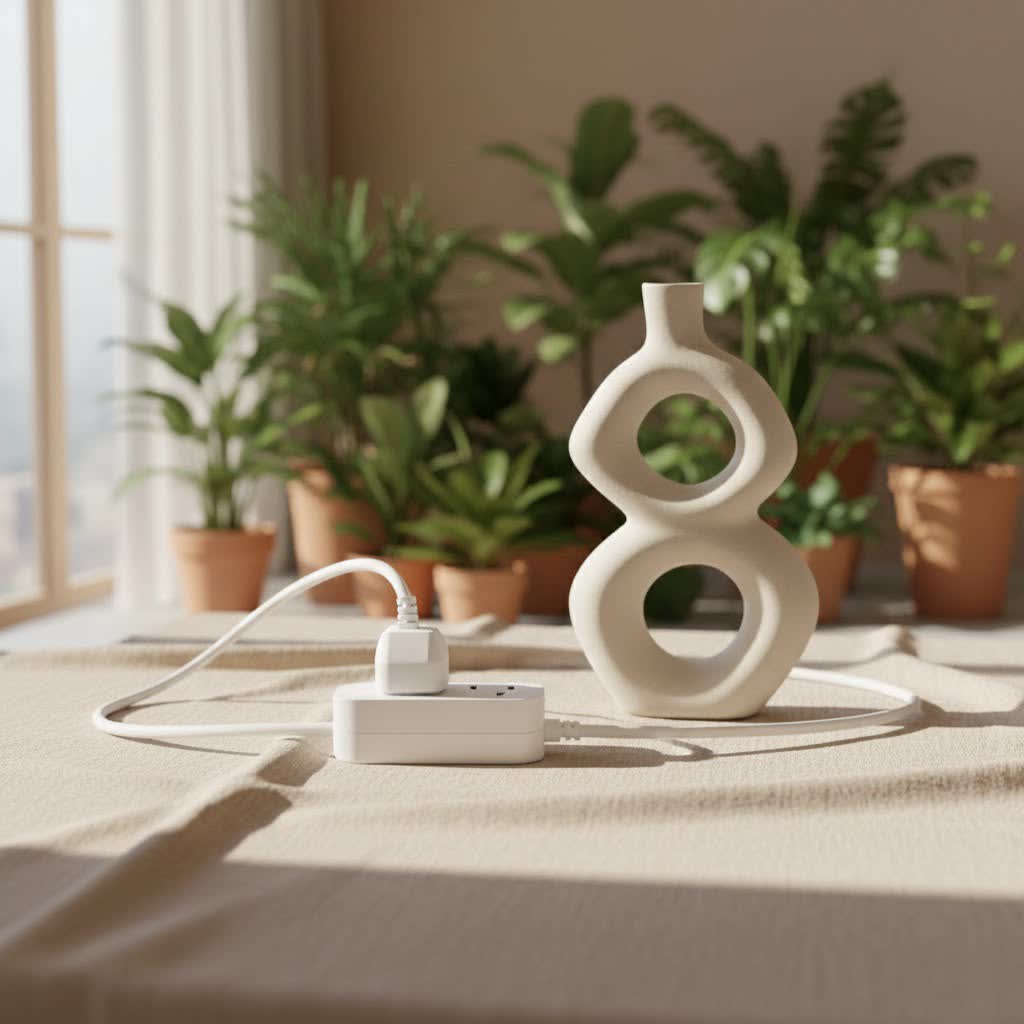
Types of 3 ft Extension Cords: Understanding Your Options
When it comes to selecting the perfect 3 ft extension cord, it’s not a one-size-fits-all situation. Different designs cater to various needs, ensuring you can find the right fit for almost any application.
Indoor vs. Outdoor Considerations
|
Our Picks for the Best Extension Cord in 2026
As an Amazon Associate I earn from qualifying purchases.
|
||
| Num | Product | Action |
|---|---|---|
| 1 | Amazon Basics Rectangle 6-Outlet, 600 Joule Surge Protector Power Strip, 2ft, Black, Small, 2-Pack |

|
| 2 | Anker Power Strip Surge Protector (2100J), 12 Outlets with 2 USB A and 1 USB C Port for Multiple Devices, 5ft Extension Cord, 20W Power Delivery Charging for Home, Office, Dorm Essential, TUV Listed |
|
| 3 | 6 Ft Surge Protector Power Strip - 8 Widely Outlets with 4 USB Ports, 3 Side Outlet Extender with 6 Feet Extension Cord, Flat Plug, Wall Mount, Desk USB Charging Station, ETL,White |
|
| 4 | POOFZY HCP045 Extension Cord, Compatible RGB+IC Permanent Outdoor Lights,9.85ft White |
|
| 5 | One Beat 10Ft Extension Cord with Multiple Outlets,Flat Plug Power Strip Surge Protector with 10 Ft Long Cord,6 Outlet 4 USB Ports (2USB C),Multi Outlet Wall Plug for Travel,College,Dorm Essentials |
|
| 6 | 10Ft Extension Cord with Multiple Outlets, Flat Plug Surge Protector Power Strip 10 Ft Long Cord, 8 Outlets & 4 USB Ports (2 USB C), Desk Charging Station for Home Office, College Dorm Room Essentials |
|
| 7 | Amazon Basics Extension Cord, 10 Ft, 3 Prong Outlet Extender, Indoor Extension Cord, 13 Amps, 125V, Black |
|
| 8 | Amazon Basics Surge Protector Power Strip, 6-Outlet with 200J Protection, 2ft Extension Cord, Rectangle, Black (2 Pack) |
|
| 9 | Amazon Basics Surge Protector Power Strip, 6-Outlet, 790 Joules, LED Indicator, 6ft Extension Cord, White |
|
| 10 | Surge Protector Power Strip - HANYCONY 8 Outlets 4 USB (2 USB C) Charging Ports, Multi Plug Outlet Extender, 5Ft Braided Extension Cord, Flat Plug Wall Mount Desk Charging Station for Home Office ETL |
|
While most 3 ft extension cords are designed for indoor, light-duty use, some specialized versions may exist for limited outdoor applications. Indoor cords typically feature less robust insulation and are not built to withstand moisture, extreme temperatures, or UV exposure. Using an indoor cord outdoors is a significant safety hazard and should always be avoided. Always check the cord’s designation — an “W” on the label usually indicates suitability for outdoor use. For the most part, though, a 3 ft extension cord excels in indoor environments.
Gauge and Capacity: What the Numbers Mean
The wire gauge, measured by American Wire Gauge (AWG), is crucial. Counter-intuitively, a lower gauge number means a thicker wire, which can safely carry more electrical current and power. For common 3 ft extension cords, you’ll typically find:
- 18 AWG: These are light-duty cords, often used for small electronics like lamps, chargers, or holiday lights. They handle lower amperage and wattage, usually around 5-7 amps and up to 600-840 watts.
- 16 AWG: A bit more robust, 16 AWG cords are suitable for light to medium-duty tasks, such as powering TVs, stereos, computers, or even some small power tools like a detail sander or drill. Many 3 ft cords with multiple outlets fall into this category, safely managing around 10-13 amps and up to 1500 watts.
Choosing a cord with a gauge appropriate for your device’s power requirements is paramount for safety. Using a cord that is too thin for the electrical load can lead to overheating and potential fire hazards.
Plug Types and Outlet Configurations
The design of the plug and outlets on a 3 ft extension cord can significantly impact its practicality:
- Standard Plugs: These are what you typically see on most appliances.
- Flat/Angled Plugs: A popular feature for short cords, flat or angled plugs are designed to fit snugly against a wall. This is ideal for outlets located behind furniture, appliances, or in other tight spaces where a standard, protruding plug would prevent items from being pushed flush against the wall.
- 2-Prong vs. 3-Prong (Grounded): Three-prong plugs offer a grounding wire for added safety, especially with devices that have metal casings. Always match a three-prong device plug with a three-prong extension cord and outlet. While a two-prong plug can connect to a three-prong outlet, never remove the grounding pin from a three-prong extension cord or device to fit it into a two-prong outlet.
- Multiple Outlets (Triple Taps): Many 3 ft extension cords come with two or three outlets at the female end, often referred to as “triple taps.” This provides convenience, allowing you to power multiple low-wattage devices from a single cord, such as charging bricks or small electronics.
Why Choose a 3 ft Extension Cord? Beyond Just “Short”
While its length might seem limiting, the 3 ft extension cord offers unique advantages that make it an indispensable tool for thoughtful power management.
Tidy Setups and Clutter Control
Imagine a living room where every cable is neatly managed. A 3 ft extension cord helps achieve this by extending power just enough, avoiding excess slack that creates unsightly tangles. It’s perfect for appliances close to an outlet but still needing that extra few inches of reach, or for bridging a gap to a surge protector. This minimalist approach reduces cable clutter, making your space cleaner and more aesthetically pleasing.
Bridging Short Gaps and Optimizing Power Strips
Often, device cords are surprisingly short, or a wall outlet is just slightly out of reach for a bulky power strip. A 3 ft extension cord acts as a perfect bridge, allowing you to position your devices or power strips exactly where you need them without unnecessary length. This is particularly useful behind entertainment centers, office desks, or kitchen counters, where space is at a premium.
Ideal for Small Appliances and Chargers
For low-power devices like smartphone chargers, smart speakers, lamps, or small kitchen gadgets, a 3 ft extension cord provides just the right amount of extension without oversizing. It ensures these items have power access without introducing long, cumbersome cords that pose trip hazards or gather dust.
Minimizing Voltage Drop
“Length is a critical factor in the current and electricity a cord can carry,” explains electrical safety expert, Sarah Jennings. “Longer cords create more electrical resistance, meaning they can’t carry the same amperage and wattage as a shorter cord of the same gauge.” With a 3 ft extension cord, voltage drop is minimized compared to longer cords, ensuring your devices receive consistent power and operate efficiently. This is especially beneficial for sensitive electronics.
How to Choose the Right 3 ft Extension Cord
Selecting the correct 3 ft extension cord is crucial for both functionality and safety. Here’s a checklist to guide your decision:
- Determine Your Device’s Power Needs: Check the wattage and amperage requirements on your appliance or tool. Choose a 3 ft extension cord with a gauge and rating that exceeds these requirements. For most light-duty applications suitable for a 3 ft cord, 16 AWG is generally sufficient, but always verify.
- Indoor vs. Outdoor (If Applicable): Confirm if you need an indoor-only cord (most 3 ft cords) or a specialized outdoor-rated one. Look for “W” on the cord jacket for outdoor use.
- Consider Plug Type for Tight Spaces: If you’re plugging in behind furniture, opt for a “flat” or “angled” plug. This design saves space and allows items to sit closer to the wall.
- Number of Outlets: Do you need just one additional outlet, or do you require multiple ports for chargers and small electronics? Triple tap options are common for 3 ft cords.
- Safety Certifications: Always choose cords that are certified by an independent testing laboratory, such as Underwriters Laboratories (UL listed). This ensures the cord meets stringent safety standards.
Safe Use and Maintenance of 3 ft Extension Cords
Even with a short cord, safety is paramount. Follow these guidelines to prevent hazards:
- Never Overload: Do not exceed the cord’s amperage or wattage rating. While a 3 ft cord has less voltage drop than a longer one of the same gauge, it still has limits. Overloading can cause the cord to overheat, melt, or even start a fire.
- Avoid “Daisy-Chaining”: Never plug one extension cord into another. This practice significantly increases the risk of overloading and overheating. If you need more length, buy a single cord of the appropriate length, not multiple shorter ones.
- No Running Under Rugs or Furniture: Extension cords, regardless of length, should never be hidden under carpets, rugs, or furniture. This traps heat, preventing proper cooling, and makes the cord a hidden trip hazard. It also makes it impossible to inspect for damage.
- Regular Inspection: Before each use, quickly inspect your 3 ft extension cord for any signs of damage. Look for frayed wires, cracks, cuts, exposed conductors, bent prongs, or discoloration. Discard or repair any damaged cords immediately.
- Proper Unplugging: Always pull the plug itself, not the cord, when disconnecting from an outlet or device. Pulling the cord can damage the internal wiring, leading to shorts or exposed conductors.
- Store Properly: When not in use, coil your 3 ft extension cord neatly. Avoid tight bends or kinks, which can damage the internal wires. Store it in a dry, safe place away from extreme temperatures.
Common Issues and How to Fix Them
Even a simple 3 ft extension cord can encounter problems. Knowing how to identify and address them can keep your power setup safe and functional.
- Overheating: If your 3 ft extension cord feels warm or hot to the touch, unplug it immediately. This is a sign of overloading or damage. Disconnect all devices, inspect the cord, and if it appears undamaged, ensure the total wattage of connected devices does not exceed the cord’s rating. If it continues to overheat, replace it.
- Physical Damage: Frayed insulation, exposed wires, or bent/broken prongs are clear indicators of a damaged cord. Never use a damaged cord. While some plugs can be replaced, it’s often safer and more reliable to simply replace the entire cord, especially for inexpensive 3 ft options.
- Not Fitting in Tight Spaces: If your standard plug 3 ft cord is pushing furniture away from the wall, the solution is simple: invest in a 3 ft extension cord with a flat or angled plug. These are specifically designed for such scenarios, allowing appliances to sit flush.
Frequently Asked Questions about 3 ft Extension Cords
Can I use a 3 ft extension cord for heavy-duty appliances?
Generally, no. Most 3 ft extension cords are light to medium-duty (18 or 16 AWG) and are not designed for high-power appliances like space heaters, microwaves, or power tools. These devices require much thicker, lower-gauge cords and should ideally be plugged directly into a wall outlet.
Are 3 ft extension cords safe?
Yes, when used correctly and for their intended purpose, 3 ft extension cords are very safe. The key is to match the cord’s capacity (gauge, amperage, wattage) to the device’s needs, avoid overloading, and follow all safety guidelines.
What’s the best gauge for a 3 ft extension cord?
For typical indoor use with small electronics, lamps, or chargers, a 16 AWG 3 ft extension cord is often a good choice, offering a balance of flexibility and capacity. For very light items, 18 AWG might suffice. Always check the device’s requirements.
Can I use an indoor 3 ft cord outdoors?
Absolutely not. Indoor extension cords lack the necessary insulation and weather-resistant properties to safely withstand outdoor conditions like moisture, extreme temperatures, or UV rays. Using them outdoors creates a significant risk of electric shock or fire.
Why choose a 3 ft cord over a longer one?
A 3 ft cord is ideal for minimizing cable clutter, allowing devices or power strips to be positioned perfectly without excessive slack. It also reduces the potential for voltage drop and trip hazards associated with longer, unnecessary cord lengths.
The Short Story: Powering Your Space Smartly
The humble 3 ft extension cord, despite its compact size, plays a crucial role in creating organized, safe, and efficient power setups. From tidying up behind your entertainment system with a flat-plug design to simply giving your charger that tiny bit of extra reach, it’s a tool that proves great things often come in small packages. By understanding the types, choosing wisely based on your needs, and adhering to safety protocols, you can harness the full potential of these essential power solutions.
Ready to conquer your cable clutter and power your devices safely? Explore the right 3 ft extension cord options for your home and experience the IRPGS.com difference – where expertise meets practical, everyday solutions.
