A 3-foot extension cord is ideal for powering devices over short distances, reducing cable clutter, and preventing tripping hazards, making it perfect for desk setups, small appliances, or travel. This compact solution offers convenient power access without the excess cable of longer cords, making it a valuable tool for decluttering spaces and ensuring safety in various environments.
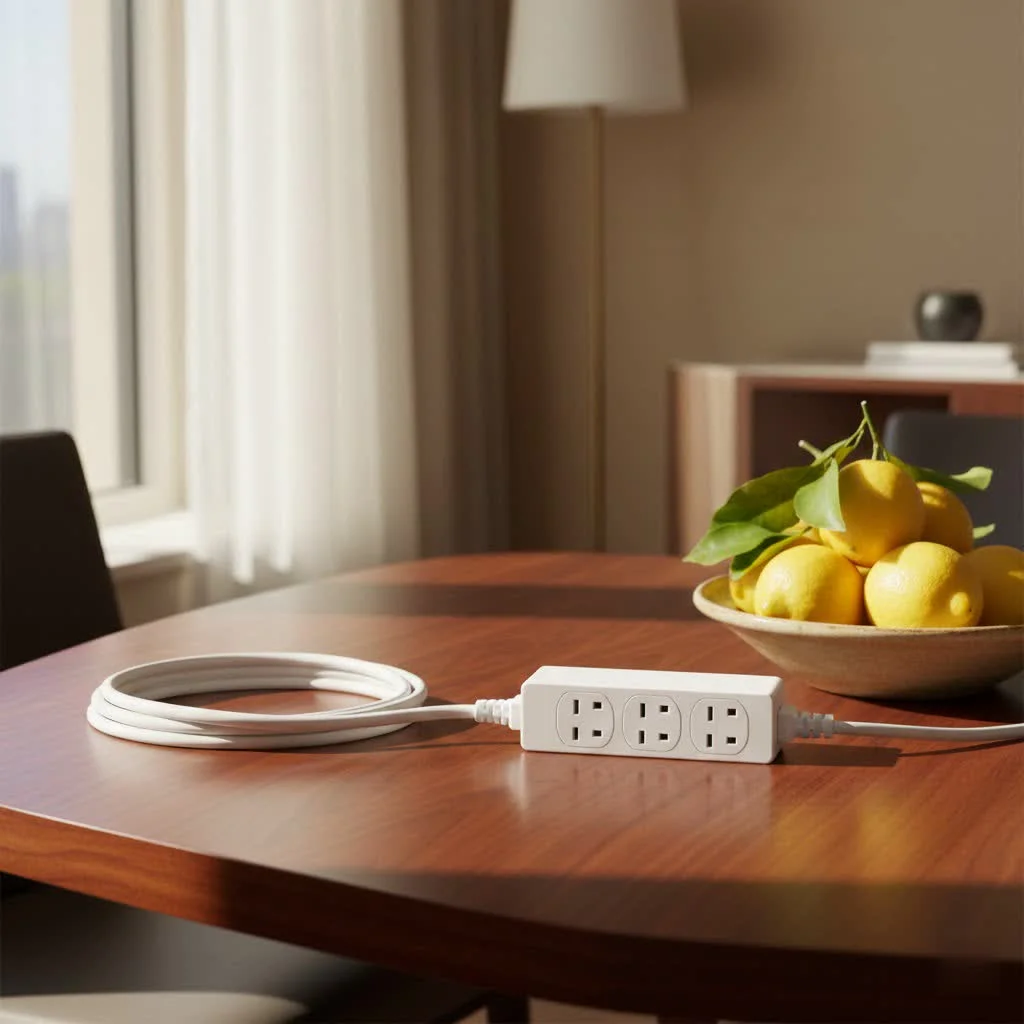
Why a 3-Foot Extension Cord? The Compact Advantage
When an outlet is just a little too far, but a long extension cord would create a tangled mess, a 3-foot extension cord is the perfect fit. This specific length shines in situations where you need to bridge a short gap between your device and a power source. For shop curated extension cords on this site.
Imagine your home office: a charger for your laptop, a desk lamp, or a monitor power cable that just barely misses the wall outlet. A longer cord would snake across your floor, becoming a potential tripping hazard or an unsightly mess. The compact nature of a 3-foot cord minimizes this, keeping your workspace neat and safe. They’re also fantastic for travel, allowing you to power devices in hotel rooms where outlets might be in awkward spots without lugging around bulky, long cords. For those small kitchen appliances like a toaster or coffee maker that occasionally need a little extra reach to the nearest counter outlet, a short cord is often all you need, preventing excess cord from hanging around your cooking space.
Understanding Types of Extension Cords: What to Look For
Even with a 3-foot extension cord, choosing the right type is paramount for safety and performance. Not all cords are created equal, and understanding the differences can save you from potential hazards.
When choosing an extension cord, look for its indoor or outdoor rating, gauge (AWG) which indicates wire thickness, and wattage/amperage capacity to ensure it matches your device’s power requirements. Always check for safety certifications like UL listed.
Indoor vs. Outdoor Use
Always check the cord’s labeling. Indoor cords are not designed to withstand moisture, extreme temperatures, or UV exposure, which can quickly degrade their insulation and create a shock or fire hazard if used outdoors. Conversely, outdoor cords are typically more robust, with thicker insulation and weather-resistant jackets. Even for a 3-foot cord, if there’s any chance it will be exposed to the elements, an outdoor-rated cord is essential.
Decoding the Gauge (AWG) and Power Ratings
The gauge of an extension cord refers to the thickness of its wire, indicated by an AWG (American Wire Gauge) number. Counterintuitively, the smaller the gauge number, the thicker the wire, and the more electrical current it can safely handle. For instance, a 12-gauge cord is thicker and can carry more power than a 16-gauge cord.
Always match the cord’s wattage or amperage rating to the requirements of the appliance or tool you’re plugging into it. Overloading a cord with a higher-wattage device than it’s rated for can cause overheating, potentially leading to melted insulation, electrical shock, or fire. Even a short 3-foot cord needs to be appropriately rated for the job.
Grounded (3-Prong) vs. Polarized (2-Prong)
|
Our Picks for the Best Extension Cord in 2026
As an Amazon Associate I earn from qualifying purchases.
|
||
| Num | Product | Action |
|---|---|---|
| 1 | One Beat 10Ft Extension Cord with Multiple Outlets,Flat Plug Power Strip Surge Protector with 10 Ft Long Cord,6 Outlet 4 USB Ports (2USB C),Multi Outlet Wall Plug for Travel,College,Dorm Essentials |

|
| 2 | Surge Protector Power Strip - HANYCONY 8 Outlets 4 USB (2 USB C) Charging Ports, Multi Plug Outlet Extender, 5Ft Braided Extension Cord, Flat Plug Wall Mount Desk Charging Station for Home Office ETL |
|
| 3 | POOFZY HCP045 Extension Cord, Compatible RGB+IC Permanent Outdoor Lights,9.85ft White |
|
| 4 | Anker Power Strip Surge Protector (2100J), 12 Outlets with 2 USB A and 1 USB C Port for Multiple Devices, 5ft Extension Cord, 20W Power Delivery Charging for Home, Office, Dorm Essential, TUV Listed |
|
| 5 | Amazon Basics Extension Cord, 10 Ft, 3 Prong Outlet Extender, Indoor Extension Cord, 13 Amps, 125V, Black |
|
| 6 | 6 Ft Surge Protector Power Strip - 8 Widely Outlets with 4 USB Ports, 3 Side Outlet Extender with 6 Feet Extension Cord, Flat Plug, Wall Mount, Desk USB Charging Station, ETL,White |
|
| 7 | Amazon Basics Surge Protector Power Strip, 6-Outlet with 200J Protection, 2ft Extension Cord, Rectangle, Black (2 Pack) |
|
| 8 | 10Ft Extension Cord with Multiple Outlets, Flat Plug Surge Protector Power Strip 10 Ft Long Cord, 8 Outlets & 4 USB Ports (2 USB C), Desk Charging Station for Home Office, College Dorm Room Essentials |
|
| 9 | Amazon Basics Surge Protector Power Strip, 6-Outlet, 790 Joules, LED Indicator, 6ft Extension Cord, White |
|
| 10 | Amazon Basics Rectangle 6-Outlet, 600 Joule Surge Protector Power Strip, 2ft, Black, Small, 2-Pack |
|
Many modern appliances come with three-prong plugs, which include a grounding pin for added safety. This third prong helps prevent electrical shock in case of a fault. Always use a 3-foot extension cord with a three-prong plug for appliances that require it. Never remove the grounding pin from a plug or force a three-prong plug into a two-slot outlet; this defeats the safety mechanism and increases the risk of electrocution.
Certifications You Can Trust
Look for cords approved by independent testing laboratories like Underwriters Laboratories (UL), Intertek (ETL), or Canadian Standards Association (CSA). These certifications assure that the cord has met rigorous safety standards.
Safe Use and Maintenance: Keeping Your 3-Foot Cord Reliable
Even the shortest extension cord requires careful handling to ensure safety. Misuse is a leading cause of electrical fires and shocks, so let’s make sure your 3-foot extension cord is always a tool for convenience, not a hazard.
Before You Plug In: Inspection is Key
Before each use, take a moment to inspect your 3-foot extension cord. Look for any signs of damage: frayed wires, cracks, exposed insulation, or discoloration. If you notice any issues, discard the cord immediately and replace it. A damaged cord is an electrical accident waiting to happen. Ensure the plug is fully inserted into the outlet; a loose connection can cause arcing and overheating.
The “Do’s” of Extension Cord Safety
- Match Ratings: Always ensure the cord’s rating meets or exceeds the wattage/amperage requirements of the device you’re powering.
- Use Grounded Cords for Grounded Plugs: If your appliance has a 3-prong plug, use a 3-wire 3-foot extension cord.
- Unplug Safely: When disconnecting, always pull the plug itself, not the cord. Pulling the cord can damage the internal wiring, creating a hidden hazard.
- Temporary Use Only: Extension cords, including 3-foot ones, are designed for temporary power solutions, not as substitutes for permanent wiring. If you find yourself constantly relying on an extension cord in one spot, consider having a permanent outlet installed.
- Store Properly: When not in use, coil your 3-foot extension cord loosely. Avoid tight coiling or kinking, which can damage the internal wires. Store it in a cool, dry place away from direct sunlight or extreme temperatures.
The “Don’ts” of Extension Cord Safety
- No Overloading: Never plug multiple high-wattage devices into a single 3-foot extension cord. Avoid “daisy-chaining,” which means plugging one extension cord into another. This practice can easily overload the circuit and cause overheating.
- Avoid Obstructions: Do not run extension cords under carpets, rugs, or furniture. This prevents heat from escaping, increases fire risk, and can damage the cord if it gets pinched. Also, never run cords through walls, doorways, or ceilings.
- Never Alter Plugs: Do not remove the third prong (ground pin) from a plug or force a plug into an incompatible outlet. This bypasses essential safety features.
- Keep Away from Elements: Avoid using extension cords near water, damp areas, or excessive heat sources. Even a short cord can be hazardous if wet.
- Mind High-Wattage Appliances: Do not use a standard 3-foot extension cord with space heaters, microwaves, or other high-wattage appliances unless the cord is specifically rated as heavy-duty for such use. These devices require cords with a lower gauge (thick wire) to handle the significant electrical load.
Expert Insight: “Safety First, Always,” says Mark Jensen, Electrical Safety Engineer.
“Even with a short 3-foot extension cord, the fundamental principles of electrical safety remain unchanged. Always inspect your cords, match their ratings to your devices, and prioritize proper use to prevent unnecessary risks. The length of the cord doesn’t reduce the importance of these precautions.”
Common Issues and How to Fix Them
Despite their simplicity, 3-foot extension cords can encounter issues if not used correctly. Knowing how to identify and address these problems is crucial for continuous safe operation.
Overheating
If your 3-foot extension cord or its plug feels warm to the touch, it’s a clear sign of overheating. This usually indicates that the cord is overloaded with too much current for its gauge, or heat is trapped, such as when it’s under a rug.
- Fix: Immediately unplug the cord and the devices. Check the wattage of the connected devices against the cord’s rating. If the devices exceed the cord’s capacity, you need a different, heavier-gauge cord or fewer devices. Ensure the cord is not covered or pinched, allowing heat to dissipate naturally.
Tripping Hazards
Even a short 3-foot cord can pose a tripping hazard if it’s carelessly left across a walkway or dangles awkwardly from a desk.
- Fix: Reroute the cord to avoid high-traffic areas. Use cord clips or ties to secure it neatly along baseboards or under desks. For desk setups, consider a desktop power strip that plugs into the wall via a 3-foot cord, keeping connections accessible and tidy.
Damaged Cords
Visible damage like frayed wires, cracks in the insulation, or bent/broken prongs makes any extension cord unsafe.
- Fix: There’s no safe repair for a damaged extension cord. The only solution is to discard it and replace it with a new one. Attempting to repair electrical cords can lead to severe shock or fire hazards.
Conclusion
The 3-foot extension cord is a remarkably useful tool, offering compact power and helping to keep your spaces organized and free from excess cable clutter. From tidying up your desk to providing temporary power for small appliances, its versatility is undeniable. However, as with all electrical equipment, safety must always be your top priority. By understanding the different types, carefully matching the cord to your device’s power needs, and diligently following safe usage and maintenance practices, you can harness the full potential of your 3-foot extension cord without compromising safety.
to inspect your cords regularly, avoid overloading, and use them only for their intended temporary purposes. At IRPGS, we’re committed to being your trusted source for electrical knowledge, helping you navigate the complexities of power safely and efficiently. Embrace the convenience of the 3-foot extension cord responsibly, and enjoy a tidier, safer, and more powered-up environment!
Frequently Asked Questions
Can a 3-foot extension cord be used for any electrical device?
No, you cannot use any 3-foot extension cord for any device. You must always match the cord's amperage or wattage rating to the device you intend to power to prevent overheating and potential hazards. Additionally, ensure the cord is rated for indoor or outdoor use as appropriate for its environment.
Is a shorter 3-foot extension cord inherently safer than a longer one?
While a shorter cord can reduce voltage drop and minimize tripping hazards compared to a very long, unmanaged cord, its inherent safety largely depends on proper use. All extension cords, regardless of length, require adherence to safety guidelines, including matching load, checking for damage, and avoiding overloading. For example, a 3-foot cord can still overheat if overloaded.
What does the gauge number on an extension cord signify?
The gauge number (e.g., 16 AWG, 14 AWG) indicates the thickness of the wire within the extension cord. A smaller gauge number signifies a thicker wire, which can safely carry more electrical current and is therefore suitable for higher-wattage devices. For instance, a 12-gauge cord is thicker than a 16-gauge cord.
Is it safe to use an indoor 3-foot extension cord outdoors briefly?
No, it is strongly advised against using indoor extension cords outdoors, even for a short period. Indoor cords are not designed to withstand moisture, extreme temperatures, or UV exposure, which can quickly degrade their insulation and create a shock or fire hazard. Always use an outdoor-rated cord if there's any chance of exposure to the elements.
How can I tell if my 3-foot extension cord is overloaded?
Signs of an overloaded cord include the cord or plug feeling warm to the touch, a burning smell, or flickering lights on connected devices. If you observe any of these, immediately unplug the cord and reduce the electrical load. Overloading can lead to melted insulation, electrical shock, or fire.
How to Safely Use a 3-Foot Extension Cord
Learn the essential steps for safely using and maintaining your 3-foot extension cord to prevent hazards and ensure reliable power.
Before each use, visually inspect your 3-foot extension cord for any signs of damage such as frayed wires, cracks, exposed insulation, or discoloration. If any damage is found, immediately discard the cord and replace it to prevent electrical accidents. Ensure the plug is fully inserted into the outlet to avoid arcing.
Always ensure the extension cord's wattage or amperage rating meets or exceeds the power requirements of the device you intend to plug into it. Overloading a cord can cause overheating and fire. For example, a 16-gauge cord is suitable for lighter loads, while a 12-gauge cord handles heavier loads.
Never plug multiple high-wattage devices into a single 3-foot extension cord, and avoid 'daisy-chaining' cords. Do not run cords under carpets, rugs, or furniture, as this traps heat and can damage the cord. Ensure the cord is not pinched or covered, allowing heat to dissipate naturally.
When disconnecting, always pull the plug itself, not the cord, to prevent damage to internal wiring. When not in use, coil the 3-foot extension cord loosely to avoid kinks and store it in a cool, dry place away from direct sunlight or extreme temperatures. Extension cords are for temporary use only, not permanent wiring.
Get our weekly buyer guide
Practical specs, not advice. Unsubscribe anytime.

I got one of these for travel, thinking it would be great for hotel rooms where outlets are often in weird spots. It works fine for powering my phone charger, but I wish it had a flat plug. It sticks out a bit too much behind furniture sometimes, which can be a minor inconvenience.
This compact extension cord is exactly what I needed for my small kitchen appliances. My toaster oven always seemed to be just out of reach of the nearest outlet, and I hated having a huge cord coiled up on the counter. This 3-foot length is ideal for bridging that short gap without any excess cable.
I picked up a couple of these 3-foot cords for my home office setup, and they’re perfect. My laptop charger and desk lamp were just a bit too far from the outlet, and a longer cord would have been a total mess. These really helped declutter my space and now I don’t have any tripping hazards.
Finally, a solution for those annoying situations where an outlet is just slightly out of reach! I use this for my bedside lamp and phone charger. It’s fantastic for preventing cable clutter and keeps everything looking neat and tidy. No more long cords snaking across the floor.