Ever found yourself in a situation where your power tools just aren’t cutting it, or your outdoor lights flicker? Chances are, the culprit might not be your equipment but the unsung hero of your electrical setup: the extension cord. Specifically, we’re talking about the formidable 12 gauge extension cord. As your go-to expert with over a decade in the trenches of electrical work, and as a content creator for IRPGS.com, I’m here to demystify this essential piece of gear.
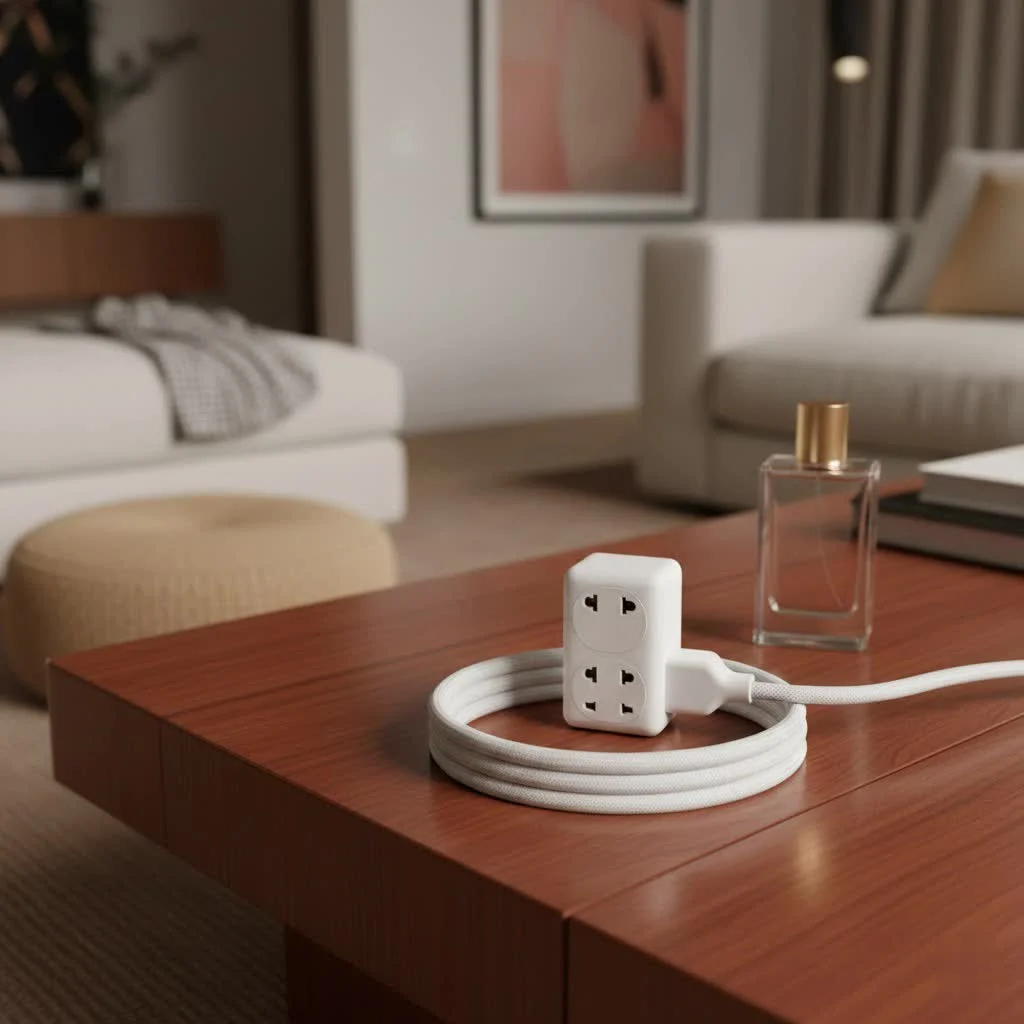
A 12 gauge extension cord isn’t just another length of wire; it’s a heavy-duty powerhouse designed to deliver robust, reliable electricity where standard cords fall short. It’s the workhorse you grab when you need serious power for serious jobs, ensuring your devices run efficiently and, more importantly, safely. If you’ve ever wondered why your air compressor struggles with a thinner cord or why a long run of lights just isn’t bright enough, understanding the 12 gauge extension cord is your first step to unlocking optimal performance and avoiding common electrical mishaps. For more extension cords guides on this site.
Understanding Extension Cord Gauges: Why 12 Gauge Matters
When we talk about extension cords, “gauge” is a critical term you’ll hear a lot. It refers to the American Wire Gauge (AWG) standard, which is essentially a measurement of the wire’s thickness. Here’s a little secret that might seem counterintuitive at first: the lower the gauge number, the thicker the wire. So, a 12 gauge extension cord is thicker than a 14 gauge, and a 14 gauge is thicker than a 16 gauge. Simple, right?
But why does thickness matter so much? Think of it like a garden hose. A wider hose allows more water to flow through with less resistance, ensuring a strong, steady stream. Similarly, a thicker copper wire, like that found in a 12 gauge extension cord, offers less electrical resistance. This means it can safely conduct more electrical current without overheating and minimizes voltage drop, especially over longer distances.
A typical 12 gauge extension cord is rated to handle between 15 and 20 amps, which translates to a substantial 1800 to 2400 watts at standard 120-volt household current. This higher capacity is what makes it a go-to for demanding applications, ensuring your tools receive the consistent power they need to perform at their best, last longer, and operate safely.
When a 12 Gauge Extension Cord is Your Best Bet
Not all electrical tasks are created equal, and neither are extension cords. A 12 gauge extension cord truly shines in specific scenarios where thinner cords would simply wilt under the pressure.
Powering Heavy-Duty Tools
|
Our Picks for the Best Extension Cord in 2026
As an Amazon Associate I earn from qualifying purchases.
|
||
| Num | Product | Action |
|---|---|---|
| 1 | Amazon Basics Surge Protector Power Strip, 6-Outlet with 200J Protection, 2ft Extension Cord, Rectangle, Black (2 Pack) |

|
| 2 | Amazon Basics Rectangle 6-Outlet, 600 Joule Surge Protector Power Strip, 2ft, Black, Small, 2-Pack |
|
| 3 | Amazon Basics Extension Cord, 10 Ft, 3 Prong Outlet Extender, Indoor Extension Cord, 13 Amps, 125V, Black |
|
| 4 | Anker Power Strip Surge Protector (2100J), 12 Outlets with 2 USB A and 1 USB C Port for Multiple Devices, 5ft Extension Cord, 20W Power Delivery Charging for Home, Office, Dorm Essential, TUV Listed |
|
| 5 | 10Ft Extension Cord with Multiple Outlets, Flat Plug Surge Protector Power Strip 10 Ft Long Cord, 8 Outlets & 4 USB Ports (2 USB C), Desk Charging Station for Home Office, College Dorm Room Essentials |
|
| 6 | Amazon Basics Surge Protector Power Strip, 6-Outlet, 790 Joules, LED Indicator, 6ft Extension Cord, White |
|
| 7 | One Beat 10Ft Extension Cord with Multiple Outlets,Flat Plug Power Strip Surge Protector with 10 Ft Long Cord,6 Outlet 4 USB Ports (2USB C),Multi Outlet Wall Plug for Travel,College,Dorm Essentials |
|
| 8 | 6 Ft Surge Protector Power Strip - 8 Widely Outlets with 4 USB Ports, 3 Side Outlet Extender with 6 Feet Extension Cord, Flat Plug, Wall Mount, Desk USB Charging Station, ETL,White |
|
| 9 | Surge Protector Power Strip - HANYCONY 8 Outlets 4 USB (2 USB C) Charging Ports, Multi Plug Outlet Extender, 5Ft Braided Extension Cord, Flat Plug Wall Mount Desk Charging Station for Home Office ETL |
|
| 10 | POOFZY HCP045 Extension Cord, Compatible RGB+IC Permanent Outdoor Lights,9.85ft White |
|
If you’re wielding a table saw in your workshop, firing up an air compressor for a DIY project, or tackling metalwork with a welder, you’re dealing with tools that demand significant power, especially during startup. These heavy-duty beasts draw substantial current, and a flimsy cord can lead to underperformance, overheating, and even premature tool failure. This is precisely where the robust nature of a 12 gauge extension cord makes all the difference. It ensures a steady, reliable power supply, allowing your tools to operate at peak efficiency without strain.
High-Wattage Appliances
Beyond the garage, certain household appliances also qualify as power hogs. Think about space heaters warming up a chilly room, refrigerators humming away in your basement, or portable air conditioners cooling down a sweltering attic. Plugging these into a light-duty cord is a recipe for disaster, potentially causing the cord to overheat and creating a fire hazard. A 12 gauge extension cord is designed to handle these higher current draws safely, keeping both your appliance and your home secure.
Long-Distance Power Runs
Ever needed to power something far from an outlet? Whether it’s a hedge trimmer at the back of a large garden or tools at a remote corner of a construction site, distance is the enemy of consistent power. Electricity naturally weakens as it travels. With thinner cords, this “voltage drop” becomes a real problem over distances greater than 50 feet, causing appliances to run less efficiently and motors to work harder. The thicker wiring of a 12 gauge extension cord minimizes this power loss, ensuring that your tools receive ample current even when stretched across 50 to 100 feet or more.
Demanding Outdoor & Industrial Applications
Outdoor environments and industrial settings are notoriously tough on equipment, and extension cords are no exception. From elaborate holiday lighting displays and electric lawn equipment to pool pumps and machinery on construction sites or in busy workshops, these applications often require continuous, dependable power in challenging conditions. A 12 gauge extension cord, often featuring reinforced insulation and rugged outer jackets, is built to withstand rough use, moisture, sunlight, and temperature changes, making it the ideal choice for these demanding scenarios.
Continuous High-Draw Loads
For professionals working with sensitive electronics, servers, or network gear in data centers, stable current is non-negotiable. A 12 gauge extension cord is often specified for these environments because it guarantees consistent power delivery for continuous, high-draw loads, minimizing the risk of performance issues or equipment damage.
12 Gauge vs. 14 Gauge: Making the Right Choice
This is perhaps one of the most common dilemmas I see people face: “Do I really need a 12 gauge, or will a 14 gauge do?” It’s a great question, and the answer, as with many things electrical, depends on your specific needs.
Key Differences in Thickness and Capacity
As we’ve established, a 12 gauge extension cord boasts a thicker wire than a 14 gauge. This translates directly to its current-carrying capacity. A 12 gauge cord can safely handle 15 to 20 amps, while a 14 gauge cord is typically limited to 15 amps or less. This difference might seem small, but it’s crucial when you consider the power demands of your devices.
When to Opt for 12 Gauge
Choose a 12 gauge extension cord when:
- You’re powering heavy-duty tools like those mentioned above.
- Your appliance draws more than 15 amps.
- You need to run power over longer distances, especially beyond 50 feet.
- The cord will be subjected to continuous, high-load usage.
When 14 Gauge is Sufficient
A 14 gauge extension cord is a versatile option for medium-duty tasks. It’s perfectly suitable for:
- Lighter power tools such as drills, sanders, or jigsaws that draw 15 amps or less.
- Standard household appliances like microwaves, televisions, or smaller shop appliances.
- Shorter indoor runs where voltage drop is less of a concern.
The Cost and Flexibility Trade-Off
Generally, 12 gauge extension cords are more expensive than 14 gauge simply because they contain more copper. They are also less flexible and heavier due to the thicker wire. For occasional, lighter tasks, a 14 gauge might be a more practical and cost-effective choice. However, for constant, heavy-duty use, the superior performance and safety of a 12 gauge extension cord often outweigh the initial cost and minor inconvenience of its bulk.
As Elias Thorne, Master Electrician and Safety Advocate, often advises: “When in doubt, always go for the thicker gauge. It’s an investment in both the lifespan of your tools and, more importantly, your safety.”
Safe Use and Maintenance of Your 12 Gauge Extension Cord
Even the most robust 12 gauge extension cord requires proper handling and care to ensure safe operation and a long life. Here are some golden rules:
Choosing the Right Cord
- UL Approval: Always look for extension cords approved by an independent testing laboratory like Underwriters Laboratories (UL). This stamp confirms the cord has met rigorous safety standards.
- Outdoor Rating: If you plan to use a 12 gauge extension cord outdoors, it must be specifically marked for outdoor use. These cords have tough, weather-resistant jackets (often made from rubber, vinyl, or plastic) to protect against moisture, temperature extremes, and UV damage. Never use an indoor-rated cord outside; it can overheat and become a fire hazard.
- Match Requirements: Verify the amperage and wattage requirements of your device against the cord’s rating. This prevents overloading and potential damage.
Pre-Use Inspection
Before every use, take a moment to inspect your 12 gauge extension cord. Look for any signs of wear and tear, such as frayed insulation, exposed wires, kinks, cuts, or damaged plugs. A cord with any damage is a fire and shock hazard and should be immediately discarded and replaced. Also, ensure the plug blades are straight and free of corrosion.
Preventing Overload & Daisy Chaining
- Avoid Overloading: While a 12 gauge extension cord can handle substantial power, it’s not invincible. Avoid powering multiple high-draw devices simultaneously from a single cord, especially if their combined wattage exceeds the cord’s rating.
- Never “Daisy Chain”: Connecting multiple extension cords together (daisy chaining) is a significant fire hazard. It reduces the current capacity, leads to dangerous voltage drops, and can cause severe overheating. If you need more length, buy a single extension cord of the appropriate gauge and length.
Proper Placement
- No Hiding: Never run extension cords under rugs, carpets, or heavy furniture. This prevents heat from escaping, which can lead to overheating and fire. It also exposes the cord to wear and tear that you can’t see.
- Clear of Obstacles: Avoid nailing or stapling cords to walls or baseboards, as this can damage the insulation and create a shock hazard. Keep cords out of high-traffic areas to prevent tripping hazards and accidental damage.
- Keep Dry: Always keep extension cords away from water sources, standing water, and snow. A wet cord can cause a short circuit, electric shock, or device damage.
- Uncoil Fully: When using a 12 gauge extension cord, especially for high-power applications, always uncoil it completely. A coiled cord can trap heat, leading to overheating.
Grounding and Secure Connections
- Grounded Cords: Always use grounded (three-prong) extension cords with grounded tools and appliances. Never remove the grounding pin to force a three-prong plug into a two-prong outlet. This bypasses a crucial safety feature.
- Snug Fit: Ensure that plugs are fully inserted into outlets and don’t wiggle. Loose connections can cause sparking, overheating, and short-circuiting.
Unplugging and Storage
- Unplug When Not in Use: Always unplug extension cords when they are not actively being used. This prevents potential risks and saves energy.
- Pull the Plug, Not the Cord: When disconnecting, always pull the plug itself, not the cord. Yanking the cord can damage the internal wiring or the plug’s connection.
- Store Properly: Store your 12 gauge extension cord neatly coiled in a dry, safe place indoors, protected from extreme temperatures and physical damage.
Considering GFCI Protection
For any outdoor use of a 12 gauge extension cord, consider using it with a Ground Fault Circuit Interrupter (GFCI) protected outlet or a cord with built-in GFCI protection. GFCIs detect ground faults and quickly cut off power, significantly reducing the risk of electric shock, especially in wet conditions.
Common Issues and How to Troubleshoot Them
Even with the best intentions, problems can arise. Knowing how to spot and address common issues can prevent bigger headaches.
- Overheating Signs: If your 12 gauge extension cord feels warm or hot to the touch, or if you notice any burning smell, it’s a clear sign of overheating. Immediately unplug the cord and connected devices. This could be due to overloading, insufficient gauge for the load, or damage to the cord.
- Voltage Drop and Underperforming Tools: If your power tools seem sluggish, their motors are struggling, or lights are dim when using a long extension cord, you might be experiencing voltage drop. While a 12 gauge extension cord is designed to mitigate this, extreme lengths or unusually high loads can still cause it. Ensure the cord length and gauge are appropriate for the load, and check for a fully uncoiled cord.
- Physical Damage: Cuts, abrasions, or cracked insulation on your 12 gauge extension cord are serious. Even a seemingly minor nick can expose live wires, creating a shock hazard. If you find any such damage, the cord is compromised and must be replaced. Attempting to repair electrical cords is generally unsafe and not recommended.
FAQ: Your Quick Answers
How many amps can a 12 gauge extension cord handle?
A 12 gauge extension cord is typically rated to handle between 15 to 20 amps, making it suitable for heavy-duty tools and high-wattage appliances.
Can I use a 12 gauge extension cord for a space heater?
Yes, a 12 gauge extension cord is generally suitable for space heaters, as these appliances draw significant power. Always check the heater’s wattage/amperage requirements to ensure the cord’s rating is sufficient.
What is the maximum length for a 12 gauge extension cord?
For optimal performance and minimal voltage drop, a 12 gauge extension cord can safely be used up to around 100 feet for most heavy-duty applications. For anything longer, you might need a lower gauge (thicker wire) or consider a temporary power distribution box.
Is a 12 gauge extension cord good for outdoor use?
Yes, a 12 gauge extension cord is an excellent choice for outdoor use, especially when marked “Outdoor Use” and featuring weather-resistant insulation. Its robust nature helps it withstand environmental elements and power outdoor equipment reliably.
What’s the difference between 12 AWG and 14 AWG?
12 AWG (American Wire Gauge) wire is thicker than 14 AWG wire. This means a 12 gauge extension cord can safely carry more electrical current (15-20 amps) and reduce voltage drop over longer distances compared to a 14 gauge cord (up to 15 amps).
Conclusion
The 12 gauge extension cord is an indispensable tool for homeowners, DIY enthusiasts, and professionals alike, providing the muscle needed to power demanding equipment safely and efficiently. By understanding its capabilities, knowing when to choose it over thinner alternatives, and adhering to crucial safety guidelines, you’re not just buying a cord; you’re investing in performance, protection, and peace of mind. Remember, electrical safety is paramount. Always match your cord to your task, inspect it regularly, and use it wisely. Take control of your power needs with the reliable strength of a 12 gauge extension cord, and keep your projects humming along safely and effectively. Share your experiences and any tips you’ve learned along the way – together, we build a smarter, safer community!
Get our weekly buyer guide
Practical specs, not advice. Unsubscribe anytime.