We’ve all been there, staring at an electrical outlet that’s just a little too far from where you need power. That’s when the trusty extension cord comes into play, and for those really distant tasks, a 100 ft extension cord becomes an indispensable hero. While these long cables offer incredible flexibility and convenience, they also come with their own set of considerations and potential pitfalls. As your go-to experts at IRPGS.com, we’re here to walk you through everything you need to know to choose, use, and maintain your 100 ft extension cord safely and efficiently, ensuring your projects run smoothly without any unwelcome surprises.
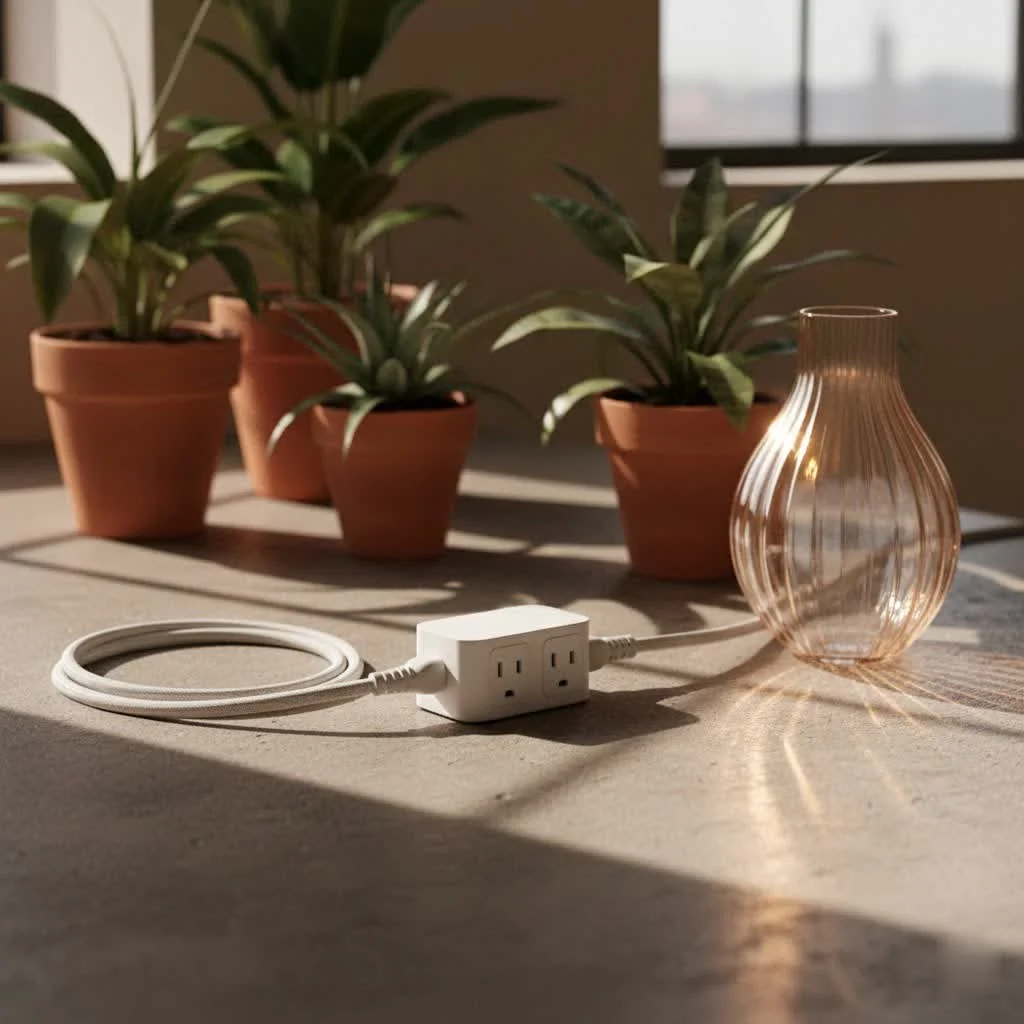
Why a 100 ft Extension Cord? Powering Your World, Further Afield
A 100 ft extension cord is a true workhorse, bridging significant distances where standard outlets simply can’t reach. Think about it: lighting up a sprawling outdoor event, running power tools across a large construction site, powering your electric lawnmower at the far end of your yard, or setting up festive lights around your entire property. These scenarios demand the extended reach only a 100 ft extension cord can provide. Opting for a single, purpose-built 100 ft cord is often far safer and more efficient than daisy-chaining multiple shorter cords, which can lead to tangled messes, increased voltage drop, and heightened safety hazards. For best extension cords roundups on this site.
Understanding Your 100 ft Extension Cord: Types and Ratings
Not all extension cords are created equal, especially when you’re dealing with a substantial length like 100 feet. The type of cord you need largely depends on where and how you plan to use it.
Indoor vs. Outdoor 100 ft Extension Cords
Indoor Extension Cords: These are typically lighter-duty and designed for use in dry, protected environments. They lack the robust insulation and weather resistance needed for outdoor conditions. Using an indoor 100 ft extension cord outside is a major safety hazard, as it’s not equipped to handle moisture, temperature fluctuations, or UV exposure, which can lead to rapid degradation, overheating, and fire.
Outdoor Extension Cords: Ah, the heavyweights of the extension cord world! A 100 ft outdoor extension cord is built to withstand the elements. Look for markings like “W” (for weather-resistant), “SJTW,” or “SJEOW.” These codes indicate that the cord has a durable, weather-protective jacket (often rubber, plastic, or vinyl) that shields it against rain, sleet, snow, and UV rays. They also tend to have thicker gauge wires to accommodate the demands of outdoor equipment. Often found in bright colors like yellow or orange, they’re designed for high visibility on job sites or around the yard, though you can also find green or black options for landscaping.
Heavy-Duty vs. Light-Duty: For a 100 ft run, “heavy-duty” is usually the name of the game. Light-duty cords are thin, higher-gauge wires suitable only for very low-power applications (like a small lamp or a charging brick) over short distances. For 100 feet, even light-duty tasks will require a thicker wire than you might expect for a shorter cord. Heavy-duty cords, identifiable by their lower gauge numbers (more on this in a moment) and robust construction, are essential for tools and appliances that draw significant power.
The Critical Role of Gauge and Amperage: Don’t Get Zapped by Voltage Drop
|
Our Picks for the Best Extension Cord in 2026
As an Amazon Associate I earn from qualifying purchases.
|
||
| Num | Product | Action |
|---|---|---|
| 1 | Amazon Basics Rectangle 6-Outlet, 600 Joule Surge Protector Power Strip, 2ft, Black, Small, 2-Pack |

|
| 2 | 10Ft Extension Cord with Multiple Outlets, Flat Plug Surge Protector Power Strip 10 Ft Long Cord, 8 Outlets & 4 USB Ports (2 USB C), Desk Charging Station for Home Office, College Dorm Room Essentials |
|
| 3 | POOFZY HCP045 Extension Cord, Compatible RGB+IC Permanent Outdoor Lights,9.85ft White |
|
| 4 | 6 Ft Surge Protector Power Strip - 8 Widely Outlets with 4 USB Ports, 3 Side Outlet Extender with 6 Feet Extension Cord, Flat Plug, Wall Mount, Desk USB Charging Station, ETL,White |
|
| 5 | One Beat 10Ft Extension Cord with Multiple Outlets,Flat Plug Power Strip Surge Protector with 10 Ft Long Cord,6 Outlet 4 USB Ports (2USB C),Multi Outlet Wall Plug for Travel,College,Dorm Essentials |
|
| 6 | Surge Protector Power Strip - HANYCONY 8 Outlets 4 USB (2 USB C) Charging Ports, Multi Plug Outlet Extender, 5Ft Braided Extension Cord, Flat Plug Wall Mount Desk Charging Station for Home Office ETL |
|
| 7 | Anker Power Strip Surge Protector (2100J), 12 Outlets with 2 USB A and 1 USB C Port for Multiple Devices, 5ft Extension Cord, 20W Power Delivery Charging for Home, Office, Dorm Essential, TUV Listed |
|
| 8 | Amazon Basics Surge Protector Power Strip, 6-Outlet with 200J Protection, 2ft Extension Cord, Rectangle, Black (2 Pack) |
|
| 9 | Amazon Basics Surge Protector Power Strip, 6-Outlet, 790 Joules, LED Indicator, 6ft Extension Cord, White |
|
| 10 | Amazon Basics Extension Cord, 10 Ft, 3 Prong Outlet Extender, Indoor Extension Cord, 13 Amps, 125V, Black |
|
When it comes to a 100 ft extension cord, understanding wire gauge and its relationship to amperage and voltage drop is paramount. Ignoring these factors can lead to poor performance, damaged equipment, and serious safety risks.
What is AWG (American Wire Gauge)?
AWG is a standardized rating that tells you the thickness of the wire inside your cord. Here’s the counter-intuitive part: the lower the gauge number, the thicker the wire. So, a 10-gauge wire is much thicker than a 16-gauge wire. Why does this matter? Thicker wires (lower gauge numbers) have less electrical resistance, meaning they can safely carry more electrical current (amperage) over longer distances without overheating.
Voltage Drop Explained: Why It Matters for 100 ft Cords
Imagine electricity flowing through a hose. The longer the hose, the more pressure is lost by the time the water reaches the end. The same principle applies to electricity and extension cords. Voltage drop refers to the reduction in voltage as electricity travels from the power source through the cord to your device.
With a 100 ft extension cord, voltage drop becomes a significant concern. If the wire gauge is too thin for the length and the power demand of your device, you’ll experience a noticeable drop in voltage. This can result in:
- Poor Performance: Tools might run sluggishly, lights might dim, or motors might struggle to start.
- Equipment Damage: Many electrical devices are designed to operate within a specific voltage range. Prolonged operation at significantly reduced voltage can stress components, leading to premature failure.
- Overheating and Fire Risk: While less common directly from voltage drop, the effort a device makes to compensate for low voltage can lead to overheating within the device itself, and a too-thin cord can overheat trying to deliver insufficient power, posing a fire hazard.
Choosing the Right Gauge for Your 100 ft Extension Cord
This is arguably the most crucial decision for any 100 ft extension cord. You need to match the cord’s gauge to the amperage (and thus wattage) requirements of the device you’re powering. Always check the device’s nameplate or manual for its amperage rating.
Here’s a general guide for 100 ft extension cords:
- 16 AWG (Light-Duty): For very light-duty applications drawing up to 6-7 amps. This might include small fans, holiday lights, or low-wattage lamps. Even for light-duty, 16 AWG is generally the minimum recommended for 100 ft, and often a 14 AWG offers a safer margin.
- 14 AWG (Medium-Duty): Suitable for devices drawing 6 to 12 amps. Think routers, sanders, small power drills, or hedge trimmers. This is a common choice for many household and garden tools.
- 12 AWG (Heavy-Duty): Ideal for tools drawing 12 to 15 amps. This includes heavier-duty grinders, circular saws, table saws, or pressure washers. A 12 AWG 100 ft cord provides a good balance of reach and power for demanding tasks.
- 10 AWG (Extra Heavy-Duty): The top-tier choice for devices drawing 15 to 20 amps or more. This is what you’ll want for high-wattage air compressors, electric chainsaws, industrial shop vacs, or welders that need maximum power over 100 feet. For optimal performance and safety, especially for continuous heavy use, a 10 AWG is often the best choice for a 100 ft extension cord.
Expert Insight: “When picking a 100 ft extension cord, always remember this rule of thumb: when in doubt, go thicker. A slightly lower gauge cord offers a wider safety margin and reduces the risk of voltage drop, protecting both your equipment and your peace of mind.” – Eleanor Vance, Senior Electrical Safety Analyst at IRPGS.
Safety First: Using Your 100 ft Extension Cord Responsibly
Even the best 100 ft extension cord is only as safe as its user. Following these crucial safety tips will help prevent accidents, electrical fires, and equipment damage.
Inspection Checklist
Before every use, especially for a long cord that might see varied conditions, take a minute to inspect your 100 ft extension cord:
- Check the Cord Jacket: Look for any cuts, cracks, abrasions, fraying, or signs of dry rot. Exposed wires are an immediate shock and fire hazard.
- Examine Plugs and Connectors: Ensure the prongs are straight and firmly seated. Look for any discoloration, charring, or signs of overheating. The connection points should be secure and free from corrosion.
- Grounding Pin: If your cord has a three-prong plug, ensure the grounding pin is intact. Never remove it or use a cord with a broken grounding pin.
Avoiding Overload is Non-Negotiable
Overloading an extension cord is a leading cause of electrical fires. Always ensure the total amperage drawn by the devices plugged into the 100 ft extension cord does not exceed the cord’s maximum amperage rating.
- One Device Rule: Ideally, plug only one high-power appliance into a 100 ft extension cord. If you need multiple outlets, use a power strip designed for heavy-duty use, but still, ensure the total load doesn’t exceed the extension cord’s rating.
- Calculations: If you know the wattage of your device, you can estimate amperage: Amps = Watts / Volts (typically 120V in North America).
Proper Placement and Environmental Awareness
- No Rugs or Carpets: Never run a 100 ft extension cord under rugs, carpets, or furniture. This can trap heat, causing the cord to overheat, and makes it difficult to spot damage.
- Avoid Foot Traffic & Damage: Keep cords out of walkways, driveways, or areas where they can be tripped over or crushed by vehicles. Use cord protectors if you must cross a path. Abrasive surfaces like gravel can also damage the outer jacket.
- Weatherproof Connections (Outdoors): When using your 100 ft outdoor extension cord, ensure all connections (where your appliance plugs in) are weatherproofed to protect against moisture. You can buy specialized weatherproof covers or enclosures.
- Keep it Cool: An extension cord that feels hot to the touch is a sign of trouble (overload, wrong gauge, or internal damage). Unplug it immediately.
- Avoid Coiling Under Load: While it’s tempting to keep excess cord coiled, running a heavy load through a tightly coiled 100 ft extension cord can cause heat buildup and overheating. Uncoil the cord fully, or at least most of it, when in use.
Temporary Use Only
Extension cords, including 100 ft ones, are designed for temporary use. They are not a substitute for permanent wiring. Never use them as a long-term solution to power an area without sufficient outlets. This violates electrical codes and is a significant fire risk.
Coiling and Storage Best Practices
Proper storage extends the life of your 100 ft extension cord.
- Coil Properly: Coil the cord neatly (e.g., over-under method) to prevent tangling, kinking, and internal wire damage.
- Store Indoors: When not in use, especially outdoor cords, store them indoors in a cool, dry place, away from direct sunlight, moisture, and extreme temperatures. This protects the insulation and extends its lifespan.
Troubleshooting Common 100 ft Extension Cord Issues
Even with the best care, sometimes issues pop up. Here’s how to troubleshoot common problems with your 100 ft extension cord:
Overheating Cord
- Symptom: The cord feels warm or hot to the touch.
- Causes: Overloading (too many devices or devices drawing too much power), cord gauge is too thin for the load, tightly coiled cord, internal damage.
- Fix: Immediately unplug all devices. Check the amperage ratings of your devices and compare them to the cord’s rating. Ensure the cord is uncoiled. If the problem persists with a proper load and uncoiled cord, the cord might be damaged internally and should be replaced.
No Power or Intermittent Power
- Symptom: Device doesn’t turn on, or power flickers on and off.
- Causes: Loose connections (at the plug, outlet, or device), internal wire damage, tripped circuit breaker in your home.
- Fix:
- Check Connections: Ensure all plugs are firmly seated. A loose plug can cause arcing and overheating.
- Test Outlet: Plug a known working device directly into the wall outlet to ensure the outlet itself has power.
- Inspect Cord: Look for any visible damage on the cord.
- Circuit Breaker: Check your home’s electrical panel for a tripped breaker.
- Multimeter (Advanced): If comfortable, an electrical continuity test with a multimeter can help diagnose internal breaks (ensure the cord is unplugged from all power sources first).
Physical Damage (Cuts, Frayed Wires, Damaged Plugs)
- Symptom: Visible cuts, tears, exposed wires, or a damaged plug/socket end.
- Causes: Wear and tear, accidental cuts (e.g., with a shovel or mower), animal chewing, improper storage.
- Fix:
- Minor Damage (Superficial scrapes on jacket): For very minor, superficial jacket damage where no inner wires are exposed, electrical tape might offer temporary protection, but this is generally not recommended for long-term safety, especially on a 100 ft cord exposed to elements.
- Exposed Wires or Damaged Plugs: If the inner wires are exposed, or a plug/socket is significantly damaged, do not attempt to repair with tape. While replacing a damaged plug end can be a DIY fix for experienced individuals, for a critical 100 ft heavy-duty cord, it’s often safer to replace the entire cord. The integrity of the entire 100 ft length is paramount for safety and performance. When in doubt, replace it.
Conclusion: Powering Safely with Your 100 ft Extension Cord
A 100 ft extension cord is an incredibly useful tool, extending your reach and flexibility for countless tasks. However, its length also introduces unique safety and performance challenges that demand your attention. By understanding the importance of wire gauge, selecting the appropriate type (indoor vs. outdoor), rigorously following safety guidelines, and knowing how to troubleshoot common issues, you can harness the full potential of your 100 ft extension cord without compromising safety. Remember, power is a privilege, and using it responsibly ensures a safe and productive environment for everyone. Choose wisely, use safely, and maintain diligently – your projects (and your safety) depend on it.
Frequently Asked Questions (FAQ)
Q1: Is a 100 ft extension cord safe to use?
A1: Yes, a 100 ft extension cord is safe to use as long as you choose the correct gauge for your application, ensure it’s rated for indoor or outdoor use as needed, and follow all safety precautions, such as avoiding overloading and regularly inspecting the cord for damage.
Q2: What gauge 100 ft extension cord do I need for heavy tools?
A2: For heavy-duty tools drawing 12-20 amps over 100 feet, you will typically need a 12-gauge (12 AWG) or even a 10-gauge (10 AWG) extension cord. Always check the specific amperage requirements of your tool and choose a cord with a gauge rating that matches or exceeds it to prevent voltage drop and overheating.
Q3: Can I use an outdoor 100 ft extension cord indoors?
A3: Yes, you can generally use a heavy-duty outdoor 100 ft extension cord indoors without electrical risk. Outdoor cords often have thicker insulation and a more robust jacket, which can even increase the margin of safety for large loads. However, they might be bulkier and less flexible for indoor use.
Q4: How do I prevent voltage drop with a long extension cord?
A4: To prevent voltage drop with a 100 ft extension cord, the most crucial step is to select a thicker wire gauge (lower AWG number) than you might use for a shorter cord. Also, ensure the cord is fully uncoiled when in use and only power devices within the cord’s amperage rating.
Q5: What are the signs that my 100 ft extension cord is damaged?
A5: Signs of a damaged 100 ft extension cord include visible cuts, cracks, abrasions, or fraying on the outer insulation, exposed inner wires, discoloration or burn marks on the plugs or outlets, and the cord feeling excessively hot during use. Any of these signs indicate a potential safety hazard, and the cord should be inspected or replaced.
Get our weekly buyer guide
Practical specs, not advice. Unsubscribe anytime.