Ever found yourself needing power just a little further than your outlets can reach? That’s where a Long Extension Cord becomes your best friend. But let’s be real, simply grabbing the longest one off the shelf isn’t just inefficient; it can be downright dangerous. As someone who’s spent over a decade elbow-deep in electrical wiring and preaching safety on IRPGS.com, I can tell you that understanding your long extension cord is absolutely crucial. It’s about more than just length; it’s about matching the right tool to the job, ensuring safety, and getting reliable power where you need it most, without any unwelcome surprises. Let’s unravel the complexities and make you a long extension cord pro.
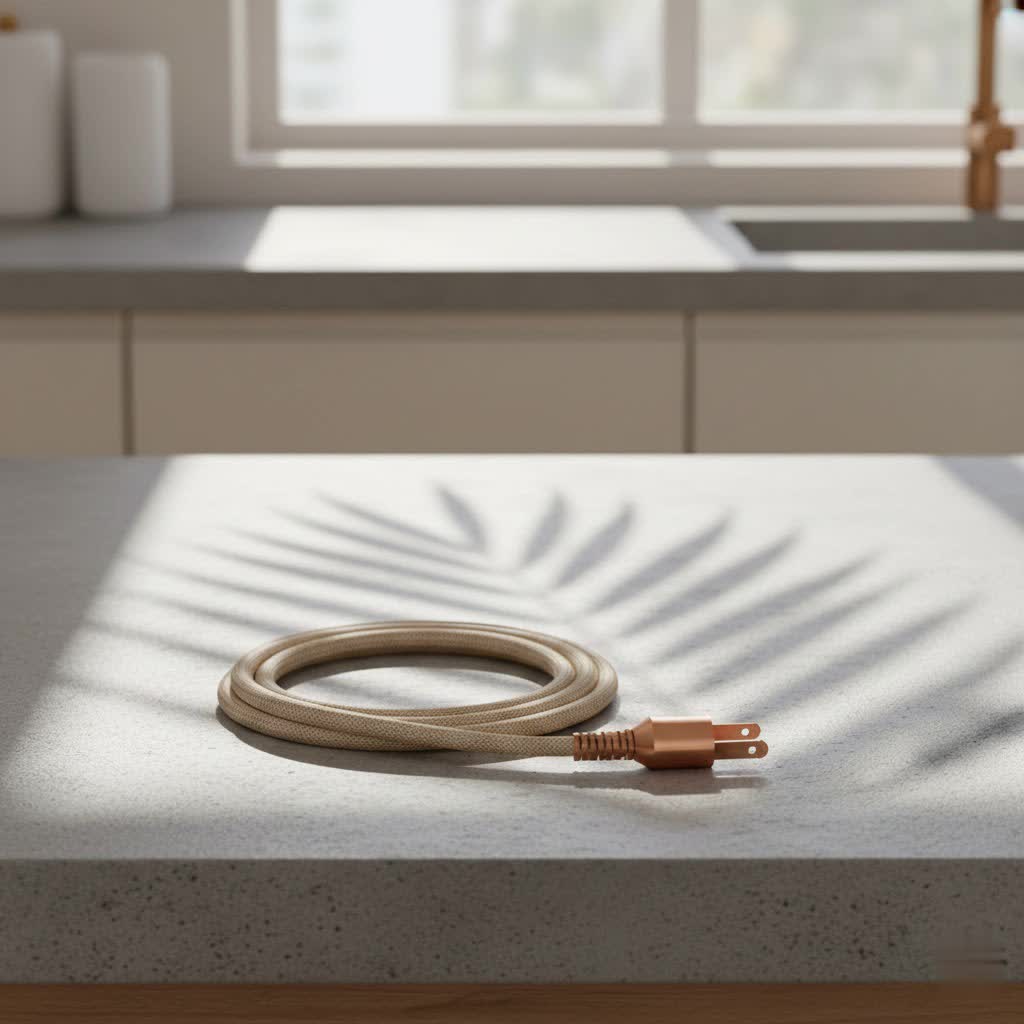
Types of Long Extension Cords: More Than Just Length
When you’re dealing with distance, not all extension cords are created equal. The type you choose significantly impacts both performance and safety, especially with long extension cords.
Gauge Explained: The Thicker, The Better for Distance
|
Our Picks for the Best Extension Cord in 2026
As an Amazon Associate I earn from qualifying purchases.
|
||
| Num | Product | Action |
|---|---|---|
| 1 | Amazon Basics Surge Protector Power Strip, 6-Outlet with 200J Protection, 2ft Extension Cord, Rectangle, Black (2 Pack) |

|
| 2 | One Beat 10Ft Extension Cord with Multiple Outlets,Flat Plug Power Strip Surge Protector with 10 Ft Long Cord,6 Outlet 4 USB Ports (2USB C),Multi Outlet Wall Plug for Travel,College,Dorm Essentials |
|
| 3 | Amazon Basics Extension Cord, 10 Ft, 3 Prong Outlet Extender, Indoor Extension Cord, 13 Amps, 125V, Black |
|
| 4 | 6 Ft Surge Protector Power Strip - 8 Widely Outlets with 4 USB Ports, 3 Side Outlet Extender with 6 Feet Extension Cord, Flat Plug, Wall Mount, Desk USB Charging Station, ETL,White |
|
| 5 | Amazon Basics Surge Protector Power Strip, 6-Outlet, 790 Joules, LED Indicator, 6ft Extension Cord, White |
|
| 6 | POOFZY HCP045 Extension Cord, Compatible RGB+IC Permanent Outdoor Lights,9.85ft White |
|
| 7 | Amazon Basics Rectangle 6-Outlet, 600 Joule Surge Protector Power Strip, 2ft, Black, Small, 2-Pack |
|
| 8 | Anker Power Strip Surge Protector (2100J), 12 Outlets with 2 USB A and 1 USB C Port for Multiple Devices, 5ft Extension Cord, 20W Power Delivery Charging for Home, Office, Dorm Essential, TUV Listed |
|
| 9 | 10Ft Extension Cord with Multiple Outlets, Flat Plug Surge Protector Power Strip 10 Ft Long Cord, 8 Outlets & 4 USB Ports (2 USB C), Desk Charging Station for Home Office, College Dorm Room Essentials |
|
| 10 | Surge Protector Power Strip - HANYCONY 8 Outlets 4 USB (2 USB C) Charging Ports, Multi Plug Outlet Extender, 5Ft Braided Extension Cord, Flat Plug Wall Mount Desk Charging Station for Home Office ETL |
|
Think of electrical current like water flowing through a hose. The thicker the hose, the more water can flow through without losing pressure. It’s the same with electricity and wire gauge. The “American Wire Gauge” (AWG) rating tells you the wire’s thickness: a lower AWG number means a thicker wire. For long extension cords, this is non-negotiable. Thicker wires (lower gauge) offer less electrical resistance, minimizing voltage drop and preventing the cord from overheating. A 100-foot, 16-gauge cord, for instance, might be fine for light-duty tasks, but a high-power tool would demand a 12-gauge or even 10-gauge cord to maintain efficiency and safety over that distance.
Indoor vs. Outdoor: Built for the Elements
You wouldn’t wear a summer jacket in a blizzard, right? The same logic applies to extension cords.
Indoor cords are designed for sheltered environments, typically thinner, and lack robust protection against moisture, UV rays, or extreme temperatures. They’re often flat and intended for light-duty use.
Outdoor cords, on the other hand, are built like tanks. They feature thicker, more durable insulation (often rubber or vinyl) that can withstand rough terrain, moisture, sunlight, and temperature swings. Look for markings like “SJTW,” “SJOOW,” or an IP rating, indicating weather resistance. Using an indoor cord outdoors is a recipe for disaster, as its insulation can quickly degrade, leading to exposed wires and serious hazards.
Duty Ratings: Light, Medium, Heavy-Duty for Every Task
Extension cords are categorized by their “duty rating,” which dictates the amount of power they can safely handle:
- Light-Duty Cords (16-18 AWG): Best for small appliances, lamps, and chargers. Often found in shorter lengths, but even a long light-duty cord will have significant limitations.
- Medium-Duty Cords (14-16 AWG): Suitable for larger household appliances like vacuums or some power tools (e.g., drills, sanders) over moderate distances.
- Heavy-Duty Cords (10-12 AWG): These are your workhorses, essential for high-power tools (circular saws, air compressors) and outdoor equipment, especially when using a long extension cord. They’re designed to handle higher amperages and minimize voltage drop over significant lengths.
“Choosing the right duty rating and gauge is like giving your appliance the fuel it needs without choking the engine,” advises Dr. Elara Vance, a lead electrical engineer and safety advocate. “With long cords, the stakes are even higher, as an undersized cord becomes a severe fire risk.”
How to Choose the Right Long Extension Cord: A Practical Checklist
Picking the perfect long extension cord isn’t rocket science, but it does require a bit of informed decision-making. Here’s what to look for:
Match Amperage and Wattage: Don’t Underestimate the Load
This is arguably the most critical step. Every appliance has a power requirement, usually listed in amps (A) or watts (W).
- Find the Rating: Check the device’s label or manual.
- Cord Capacity: Your extension cord must be rated to handle at least the amperage of the device. If you’re powering multiple devices, sum their amperages, and ensure the cord can handle the total. Overloading a cord causes it to heat up, melt, and can easily start a fire. Remember, with a long extension cord, the voltage drop can make devices draw more current to compensate, further stressing the cord.
Consider the Environment: Indoors, Outdoors, or Extreme?
If your long extension cord is going to see the light of day, or worse, rain and cold, it absolutely must be rated for outdoor use. Outdoor cords are built with insulation that resists moisture, abrasion, and UV degradation. Some even boast enhanced temperature ratings, performing reliably in freezing cold or scorching heat. Don’t compromise here; an indoor cord exposed to the elements is a dangerous liability.
Safety Features You Can’t Ignore: GFCI and Grounding
Safety isn’t just a buzzword; it’s what keeps you, your family, and your property intact.
- Three-Prong Plugs: Always opt for three-prong (grounded) cords, especially for outdoor use or with tools that require grounding. The third prong provides a path for fault current, preventing electric shock. Never, ever remove the grounding pin to fit a two-prong outlet!
- GFCI Protection: For outdoor use or in damp environments, a long extension cord with a built-in Ground Fault Circuit Interrupter (GFCI) is a lifesaver. GFCI outlets or cords automatically cut power if they detect a ground fault, drastically reducing the risk of electrocution.
- Lighted Ends: Some cords have illuminated ends, a simple yet effective feature that shows when power is flowing, which can be particularly handy for a long extension cord where the power source isn’t immediately visible.
Certification Matters: Look for UL/ETL
Always choose extension cords that have been certified by independent testing laboratories like Underwriters Laboratories (UL) or ETL. These certifications signify that the cord meets stringent safety standards for electrical components, giving you peace of mind that it has been tested for safety and performance.
Safe Use and Maintenance of Long Extension Cords: Our Top Pro Tips
Even the best long extension cord can become a hazard if misused. Here’s how to use and maintain yours safely.
The Golden Rule: Use the Shortest Possible Cord
It might seem counterintuitive when discussing long extension cords, but the reality is, the shorter the cord, the less resistance and voltage drop you’ll encounter. Only use a long extension cord that’s just long enough to reach your power needs without unnecessary slack. If you only need 25 feet, don’t use a 100-foot cord. Excess length increases resistance and heat, especially under load.
Preventing Overheating: Uncoil and Don’t Overload
A coiled extension cord, particularly a long one, acts like an inductor and can generate significant heat when current flows through it. Always uncoil a long extension cord completely before use to allow heat to dissipate naturally. And as we discussed, never overload it by connecting devices that collectively exceed its amperage rating. If a cord feels warm to the touch, it’s a critical warning sign that it’s being overloaded or damaged. Disconnect it immediately.
Protecting from Damage: Placement and Inspection
- Placement: Avoid running long extension cords under rugs, carpets, or furniture. This traps heat, prevents proper inspection, and can crush the internal wiring, leading to damage that’s unseen until it’s too late. Also, keep them out of high-traffic areas to prevent tripping hazards. If a cord must cross a walkway, use cord protectors or secure it safely along walls or edges.
- Inspection: Make it a habit to inspect your long extension cord before every use. Look for frayed insulation, exposed wires, cuts, kinks, or damaged plugs. Any sign of wear means the cord is compromised and should be replaced immediately. Electrical tape is not a fix for damaged insulation!
Proper Storage: Extending Your Cord’s Lifespan
When you’re done with your long extension cord, don’t just toss it in a tangled mess. Coil it loosely—not tightly—to prevent kinking and internal wire damage. Store it in a dry, cool place away from direct sunlight, moisture, and extreme temperatures to preserve its insulation and prolong its life.
“Treat your extension cords like any other valuable tool,” says our resident IRPGS safety expert, Mark Jensen. “Regular inspection and proper storage aren’t just about convenience; they’re about preventing dangerous failures and ensuring your long extension cord is ready when you need it, safely.”
Common Issues with Long Extension Cords and How to Fix Them
Even with careful selection and use, problems can arise. Knowing what to look for and how to respond is key.
Voltage Drop: The Power Thief
Explanation: Voltage drop occurs when the electrical current travels through a wire, losing some of its “push” due to the wire’s natural resistance. The longer the cord and the thinner the wire (higher gauge), the more significant the voltage drop.
Effects: This “power thief” means your devices receive less voltage than they need. Motors might run sluggishly and overheat, potentially shortening their lifespan or even causing permanent damage. Lights might appear dim.
How to Mitigate:
- Lower Gauge: For long distances, always opt for a lower gauge (thicker) cord than you might think necessary, especially for high-power devices.
- Shorter Length: Use the shortest practical long extension cord.
- Check Device Needs: Understand the specific voltage and amperage requirements of your tools.
Overheating: A Fire Hazard Warning
Causes: Overheating is usually a symptom of an overloaded cord (too many devices or devices drawing too much power), a coiled cord in use, or a damaged cord with internal resistance issues.
What to Do: If your long extension cord feels warm or hot to the touch, or if you smell burning plastic, disconnect it immediately. Unplug it from the wall outlet first, then unplug the device. Do not use that cord again; it’s a serious fire hazard.
Prevention:
- Always match the cord’s amperage rating to the total load.
- Completely uncoil long extension cords before plugging them in.
- Regularly inspect for damage.
Physical Damage: Cuts, Frays, and Broken Prongs
Problem: Exposure to elements, foot traffic, sharp objects, or improper storage can lead to visible damage like cuts in the insulation, frayed wires, or bent/broken grounding prongs.
Consequences: Exposed wires create a severe risk of electric shock and fire. A broken grounding prong removes a critical safety feature.
Solution: A damaged extension cord cannot be repaired safely with electrical tape or other makeshift solutions. Replace it immediately. The cost of a new cord is negligible compared to the potential for injury or property damage.
The “Daisy Chain” Dilemma: Why Connecting Cords is a No-Go
Problem: “Daisy-chaining” means plugging one extension cord into another to achieve extra length.
Risks: This practice is incredibly dangerous. Each connection point introduces resistance and a potential failure point. It exponentially increases the risk of voltage drop, overheating, and fire because the total length and resistance become excessive, and you’re far more likely to overload the initial cord in the chain.
Alternatives: If you consistently need power beyond a single cord’s safe reach, consider installing additional permanent outlets or using a single, properly rated long extension cord of the necessary gauge and length.
FAQ: Your Burning Questions Answered
Q1: Is it always better to use a shorter extension cord?
A1: Generally, yes. Using the shortest possible long extension cord reduces electrical resistance and voltage drop, ensuring your devices receive adequate power and minimizing the risk of overheating. Only use the length you absolutely need.
Q2: Can I repair a damaged long extension cord?
A2: No, never. Any cuts, frays, kinks, or damage to the insulation or prongs of a long extension cord render it unsafe for use. Attempting to repair it with tape or other means is a serious electrical hazard. Replace damaged cords immediately.
Q3: What do the letters on an outdoor extension cord mean (e.g., SJTW)?
A3: These letters are industry codes indicating the cord’s characteristics. For example:
- S: Standard service cord.
- J: Junior hard service (300 volts), or no ‘J’ for hard service (600 volts).
- T: Thermoplastic insulation.
- W: Weather-resistant for outdoor use.
- O/OO: Oil resistant outer jacket (O), or oil resistant insulation and outer jacket (OO).
So, “SJTW” means a junior hard service, thermoplastic-insulated, weather-resistant cord.
Q4: How do I know the correct gauge for my long extension cord?
A4: You need to know the amperage or wattage of the device you’re powering and the desired length of the cord. A general rule of thumb for longer cords (e.g., 50-100 feet): for light loads (under 10A), 16-gauge might suffice; for medium loads (10-15A), use 14-gauge; for heavy loads (15-20A), you’ll need 12-gauge or even 10-gauge. Always consult the cord’s packaging and the device’s manual.
Q5: Can I use a long extension cord for a refrigerator or air conditioner?
A5: Generally, it’s strongly advised against using extension cords, especially long ones, for major appliances like refrigerators, freezers, air conditioners, or space heaters. These appliances draw significant, continuous power, and even a heavy-duty long extension cord can lead to overheating, voltage drop, and fire hazards. It’s always best to plug them directly into a dedicated wall outlet.
Extending Your Reach, Safely
Navigating the world of long extension cords doesn’t have to be a gamble. By understanding the crucial role of wire gauge, selecting the right type for your environment, respecting amperage limits, and committing to safe usage and maintenance practices, you can confidently power your projects, no matter the distance. Remember, a long extension cord is a convenient tool, but safety should always be your highest priority. Empower yourself with this knowledge, and make IRPGS your go-to source for all your electrical safety needs. Your peace of mind (and your property’s safety) is worth it.
