Let’s face it, we all love the convenience an Indoor Extension Cord brings to our homes. Whether it’s powering your laptop across the room, lighting up a cozy corner, or temporarily extending reach for a household appliance, these versatile tools are indispensable. But while they offer a quick fix for limited outlets, using them incorrectly can turn a simple solution into a serious safety hazard. As your trusted electrical expert at IRPGS.com, I’ve seen it all, and my mission is to arm you with the knowledge to use your indoor extension cords safely, effectively, and with complete confidence.
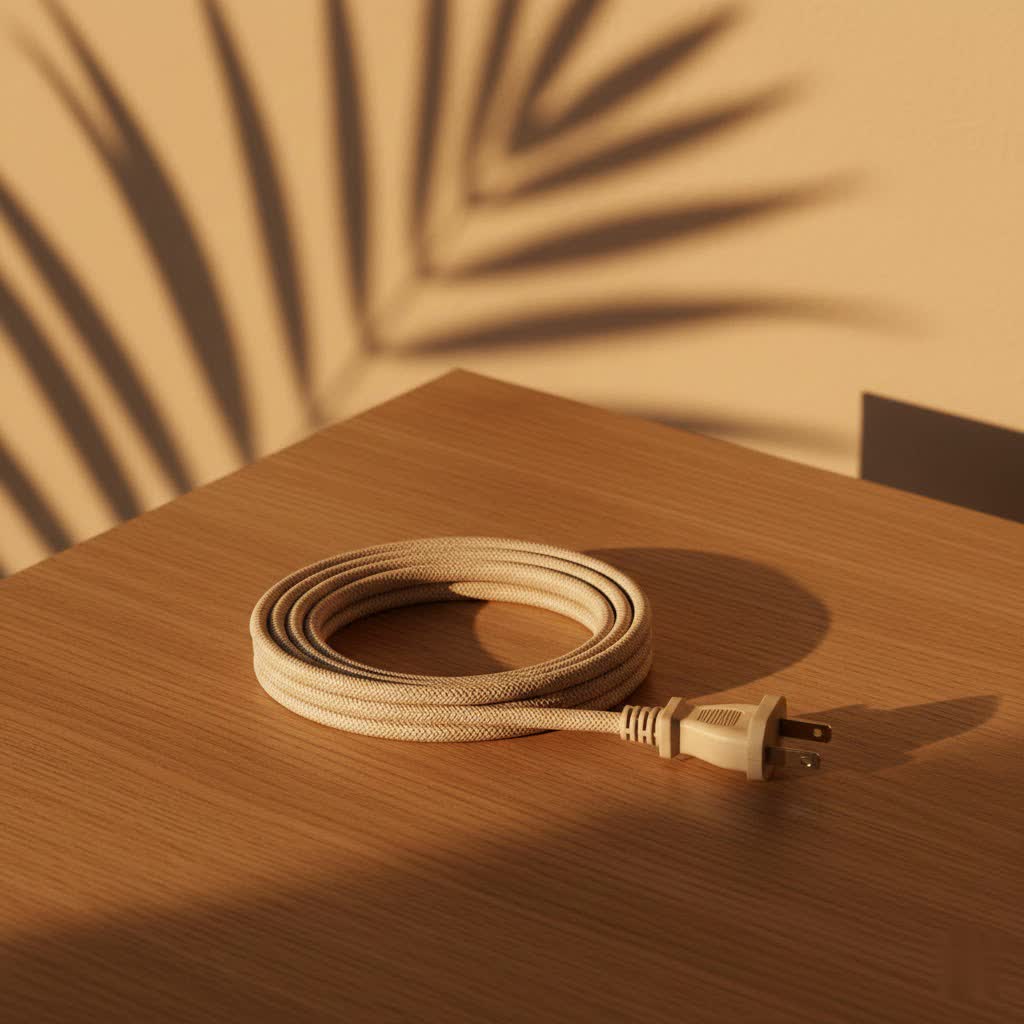
Understanding Your Indoor Extension Cord: More Than Just a Wire
|
Our Picks for the Best Extension Cord in 2026
As an Amazon Associate I earn from qualifying purchases.
|
||
| Num | Product | Action |
|---|---|---|
| 1 | Amazon Basics Surge Protector Power Strip, 6-Outlet with 200J Protection, 2ft Extension Cord, Rectangle, Black (2 Pack) |

|
| 2 | Surge Protector Power Strip - HANYCONY 8 Outlets 4 USB (2 USB C) Charging Ports, Multi Plug Outlet Extender, 5Ft Braided Extension Cord, Flat Plug Wall Mount Desk Charging Station for Home Office ETL |
|
| 3 | Amazon Basics Surge Protector Power Strip, 6-Outlet, 790 Joules, LED Indicator, 6ft Extension Cord, White |
|
| 4 | 10Ft Extension Cord with Multiple Outlets, Flat Plug Surge Protector Power Strip 10 Ft Long Cord, 8 Outlets & 4 USB Ports (2 USB C), Desk Charging Station for Home Office, College Dorm Room Essentials |
|
| 5 | 6 Ft Surge Protector Power Strip - 8 Widely Outlets with 4 USB Ports, 3 Side Outlet Extender with 6 Feet Extension Cord, Flat Plug, Wall Mount, Desk USB Charging Station, ETL,White |
|
| 6 | POOFZY HCP045 Extension Cord, Compatible RGB+IC Permanent Outdoor Lights,9.85ft White |
|
| 7 | Amazon Basics Rectangle 6-Outlet, 600 Joule Surge Protector Power Strip, 2ft, Black, Small, 2-Pack |
|
| 8 | Anker Power Strip Surge Protector (2100J), 12 Outlets with 2 USB A and 1 USB C Port for Multiple Devices, 5ft Extension Cord, 20W Power Delivery Charging for Home, Office, Dorm Essential, TUV Listed |
|
| 9 | Amazon Basics Extension Cord, 10 Ft, 3 Prong Outlet Extender, Indoor Extension Cord, 13 Amps, 125V, Black |
|
| 10 | One Beat 10Ft Extension Cord with Multiple Outlets,Flat Plug Power Strip Surge Protector with 10 Ft Long Cord,6 Outlet 4 USB Ports (2USB C),Multi Outlet Wall Plug for Travel,College,Dorm Essentials |
|
Before you plug in, it’s crucial to understand that not all indoor extension cords are created equal. They come in various types, each designed for specific power needs and environments. Knowing these distinctions is your first step towards electrical safety.
Types of Indoor Extension Cords
You’ll typically encounter a few main categories when browsing for an indoor extension cord:
- Light-Duty Cords: These are your everyday heroes, usually 16- or 18-gauge wires. They’re perfect for small electronics like lamps, chargers, radios, and clocks that don’t demand much power. They are thinner, lighter, and often come in lengths suitable for basic household tasks.
- Medium-Duty Cords: Stepping up in capability, these often feature 14-gauge wires. They can handle a bit more power, making them suitable for appliances like vacuum cleaners, small power tools, or even some office equipment. They offer a good balance between flexibility and power capacity.
- Heavy-Duty Cords: While more commonly associated with outdoor or workshop use, some robust indoor appliances might necessitate a 12- or even 10-gauge cord. These are thicker and designed to carry significant electrical current. However, it’s vital to ensure such a cord is explicitly rated for indoor use and matches your appliance’s demands. Always remember, a dedicated wall outlet is always the best choice for high-power devices like space heaters.
The Crucial Role of Gauge and Length
When you pick up an indoor extension cord, you’ll often see numbers like “16 AWG” or “14 AWG.” This refers to the American Wire Gauge (AWG), which indicates the wire’s thickness. Here’s a simple rule of thumb: the smaller the gauge number, the thicker the wire, and the more electrical current it can safely carry.
Length also plays a critical role. Longer cords inherently have more electrical resistance, which can lead to something called “voltage drop.” This means the device at the end of a very long, thin cord might not receive enough power, potentially reducing its performance or even causing damage. For safety and efficiency, always opt for the shortest indoor extension cord that comfortably reaches your outlet.
2-Prong vs. 3-Prong: The Grounding Difference
Indoor extension cords are available with either two-prong or three-prong plugs. The third, round prong on a plug is a grounding pin, an essential safety feature. It provides an alternative path for electricity to flow in case of a fault, significantly reducing the risk of electric shock. While a two-prong cord can be used for ungrounded devices, I strongly recommend using three-prong, grounded cords whenever possible for enhanced safety, especially for any device with a metal casing.
How to Choose the Right Indoor Extension Cord
Choosing the correct indoor extension cord isn’t about guesswork; it’s about matching the cord to your specific needs. Here’s how to make an informed decision:
Match Device Requirements: Amperage and Wattage
Every electrical appliance has specific power requirements, usually listed in amps (A) and/or watts (W). Your extension cord must be rated to handle at least the same, or preferably more, amperage and wattage than the device you’re plugging into it. Overloading a cord with too much power is a leading cause of overheating and fires.
“Think of an extension cord like a pipeline,” advises Eleanor Vance, Senior Electrical Engineer and safety advocate. “If you try to push too much water through a small pipe, you’ll build up pressure. The same principle applies to electricity and cords – too much current through a thin wire creates dangerous heat.”
Selecting the Correct Gauge for Your Needs
As discussed, lower gauge numbers mean thicker wires. For light-duty tasks (lamps, phone chargers), an 18-gauge or 16-gauge indoor extension cord is usually sufficient. For medium-power devices (fans, drills), a 14-gauge cord is a better choice. Always check your device’s manual for recommended cord specifications.
Considering Length: Just Right, Not Too Long
While it might be tempting to buy the longest cord available, it’s rarely the best option. Excessive length increases resistance and voltage drop. Choose a cord that provides the necessary reach without leaving a lot of coiled excess, which can also become a tripping hazard or trap heat. Avoid connecting multiple shorter extension cords together (daisy-chaining), as this greatly increases the risk of overheating and fire.
Checking for Safety Certifications
Always look for certification from independent testing laboratories like Underwriters Laboratories (UL). A UL-listed indoor extension cord indicates that it has been tested and meets stringent safety standards. This small detail offers significant peace of mind.
Indoor vs. Outdoor: Why the Distinction Matters
Never use an indoor extension cord outdoors. Indoor cords are not built to withstand moisture, temperature fluctuations, or UV exposure. Their thinner insulation can degrade rapidly in outdoor conditions, creating serious shock and fire hazards. Outdoor cords, identifiable by a “W” marking (meaning weather-resistant) and often bright colors, have thicker insulation designed for harsh environments.
Safe Use and Maintenance of Indoor Extension Cords
Even the best indoor extension cord can become dangerous if misused. Following these simple “Dos and Don’ts” will dramatically enhance safety in your home.
The “Dos” of Extension Cord Safety:
- Inspect Regularly: Before each use, quickly check your cord for any signs of damage—frayed insulation, exposed wires, kinks, or damaged plugs. If you spot any damage, discard the cord immediately.
- Fully Insert Plugs: Ensure that both the appliance plug and the extension cord plug are fully and securely inserted into their respective outlets. Loose connections can cause arcing, sparking, and overheating.
- Unplug When Not in Use: Unplug extension cords when they are not actively powering a device. Always pull the plug itself, not the cord, to disconnect from the outlet, preventing damage to the wiring.
- Use Temporarily: Extension cords are designed for temporary power solutions, not as a substitute for permanent wiring. If you find yourself consistently needing an extension cord in one spot, consider having a qualified electrician install additional outlets.
- Keep Out of Traffic Paths: Route cords along walls or baseboards to prevent them from becoming tripping hazards. Secure them safely if necessary, but avoid using staples or nails.
The “Don’ts” of Extension Cord Safety:
- Don’t Overload: This is arguably the most critical rule. Never plug more devices into an indoor extension cord than its amperage or wattage rating allows. An overloaded cord will heat up, posing a severe fire risk.
- Don’t Daisy-Chain: Plugging one extension cord into another (known as daisy-chaining) bypasses safety mechanisms and can lead to a dangerous overload and fire. Use a single cord of appropriate length instead.
- Don’t Run Under Carpets, Through Walls, or Under Doors: Covering an extension cord prevents heat from dissipating, which can lead to overheating. Running them through walls or under doors can also pinch or damage the insulation, creating a hidden fire or shock hazard.
- Don’t Remove the Ground Prong: Never remove or bend the third prong on a grounded extension cord or appliance plug to fit it into a two-prong outlet. This defeats the grounding safety feature, leaving you vulnerable to electric shock.
- Don’t Tape or Staple to Surfaces: Fastening an extension cord with staples, nails, or tape can damage the insulation, leading to exposed wires and a serious safety risk.
- Don’t Bend or Coil Sharply While in Use: Coiling or sharply bending an active extension cord can trap heat, cause internal wire damage, and reduce its current-carrying capacity.
- Don’t Use with High-Power Appliances (Unless Specifically Rated): While some heavy-duty cords exist, general indoor extension cords are usually not suitable for high-wattage appliances like space heaters, microwaves, or refrigerators. These devices should ideally be plugged directly into a dedicated wall outlet.
Proper Storage for Longevity
When not in use, store your indoor extension cord properly. Coil it neatly—avoiding tight kinks—and keep it in a dry, clean place, away from extreme temperatures and curious pets. This prolongs the cord’s life and ensures it’s safe for future use. Investing in a cord reel can be a great way to keep your cords organized and protected.
Common Issues and Troubleshooting
Even with the best practices, issues can arise. Here’s how to identify and address common problems:
- Overheating: If your indoor extension cord feels warm or hot to the touch, unplug it immediately. This is a clear sign of overloading or internal damage. Do not use it again.
- Frayed Insulation or Exposed Wires: Any visible damage to the cord’s outer jacket means it’s compromised. This creates a direct shock hazard and can lead to short circuits or fires. Discard it. Minor fraying might seem fixable with electrical tape, but it’s a temporary patch that doesn’t restore the cord’s original safety rating. For serious damage, replacement is the only safe option.
- Loose Connections or Sparking: If a plug wiggles in the outlet or you see sparks, immediately unplug the cord (if safe to do so). This indicates a poor connection that can cause arcing and fire.
- Device Not Receiving Power: After checking the outlet itself, a lack of power to your device when using an extension cord could signal a broken internal wire or a tripped circuit breaker. Again, inspect the cord for damage.
Remember, when in doubt, it’s always better to replace a questionable indoor extension cord than to risk your safety. Electrical problems are not worth gambling on.
Your Safe Home Starts Here
Using an indoor extension cord can simplify your daily life, but it requires a mindful approach to safety. By understanding the different types, choosing the right cord for the job, adhering to safe usage practices, and knowing when to troubleshoot or replace, you empower yourself to keep your home safe from electrical hazards. At IRPGS.com, we are committed to providing you with the expertise needed to navigate these technical waters with ease and confidence. Stay informed, stay safe, and enjoy the convenience of well-managed power in your home.
