Ever felt like your furniture is in a perpetual dance around bulky electrical plugs? Or perhaps you’ve struggled to make your living space feel truly uncluttered because of rogue cords and their protruding companions? If so, the solution might be simpler than you think: a Flat Plug Extension Cord. These ingenious power solutions are transforming how we connect our devices, offering not just convenience but also a significant boost in safety and aesthetics. At IRPGS.com, we understand the nuances of electrical safety and efficiency, and today, we’re diving deep into why the flat plug extension cord is a game-changer for modern homes and offices.
What Makes Flat Plug Extension Cords So Special?
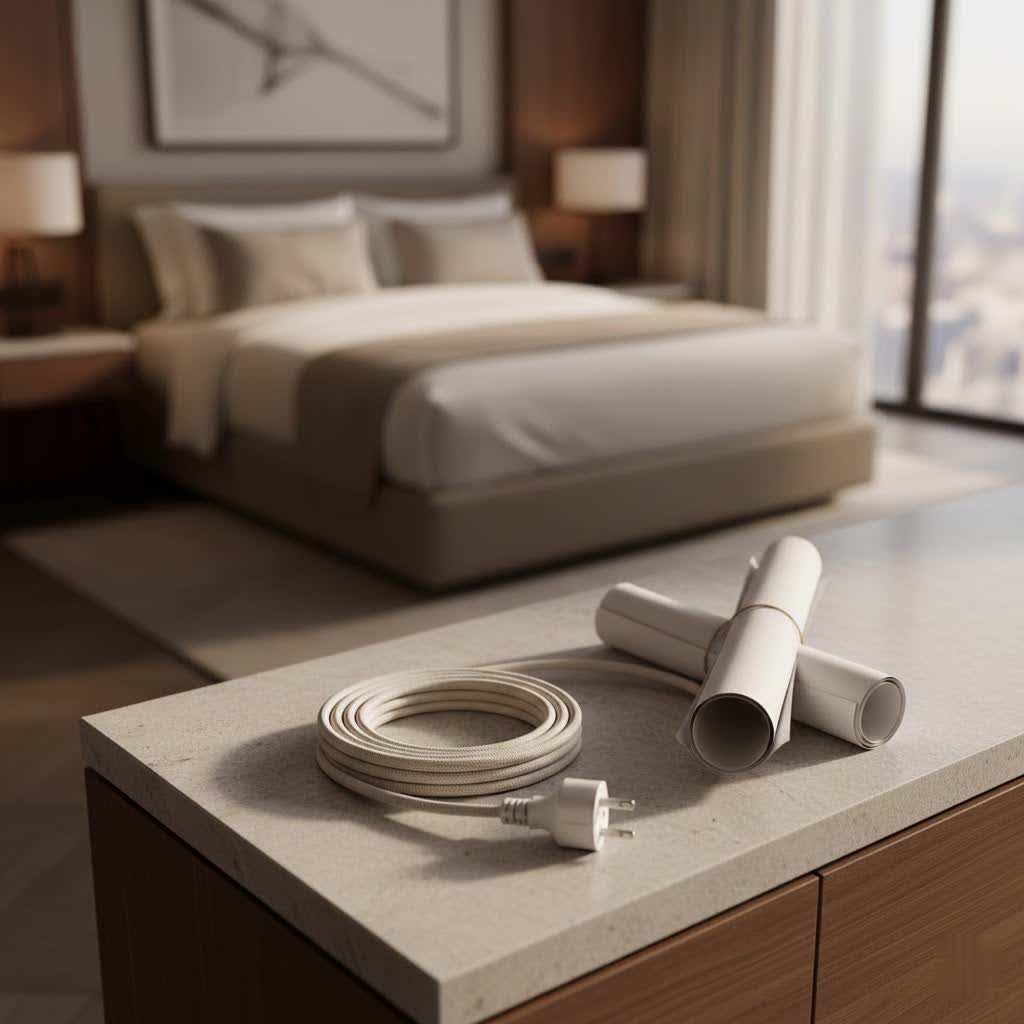
Unlike their traditional, often cumbersome, counterparts, flat plug extension cords are designed with a low-profile plug that sits flush against the wall. This seemingly small design change offers a cascade of practical benefits that improve both functionality and the overall look of your space.
Space-Saving Design and Aesthetics
|
Our Picks for the Best Extension Cord in 2026
As an Amazon Associate I earn from qualifying purchases.
|
||
| Num | Product | Action |
|---|---|---|
| 1 | Amazon Basics Surge Protector Power Strip, 6-Outlet, 790 Joules, LED Indicator, 6ft Extension Cord, White |

|
| 2 | Surge Protector Power Strip - HANYCONY 8 Outlets 4 USB (2 USB C) Charging Ports, Multi Plug Outlet Extender, 5Ft Braided Extension Cord, Flat Plug Wall Mount Desk Charging Station for Home Office ETL |
|
| 3 | Amazon Basics Extension Cord, 10 Ft, 3 Prong Outlet Extender, Indoor Extension Cord, 13 Amps, 125V, Black |
|
| 4 | 10Ft Extension Cord with Multiple Outlets, Flat Plug Surge Protector Power Strip 10 Ft Long Cord, 8 Outlets & 4 USB Ports (2 USB C), Desk Charging Station for Home Office, College Dorm Room Essentials |
|
| 5 | Amazon Basics Surge Protector Power Strip, 6-Outlet with 200J Protection, 2ft Extension Cord, Rectangle, Black (2 Pack) |
|
| 6 | Anker Power Strip Surge Protector (2100J), 12 Outlets with 2 USB A and 1 USB C Port for Multiple Devices, 5ft Extension Cord, 20W Power Delivery Charging for Home, Office, Dorm Essential, TUV Listed |
|
| 7 | One Beat 10Ft Extension Cord with Multiple Outlets,Flat Plug Power Strip Surge Protector with 10 Ft Long Cord,6 Outlet 4 USB Ports (2USB C),Multi Outlet Wall Plug for Travel,College,Dorm Essentials |
|
| 8 | 6 Ft Surge Protector Power Strip - 8 Widely Outlets with 4 USB Ports, 3 Side Outlet Extender with 6 Feet Extension Cord, Flat Plug, Wall Mount, Desk USB Charging Station, ETL,White |
|
| 9 | Amazon Basics Rectangle 6-Outlet, 600 Joule Surge Protector Power Strip, 2ft, Black, Small, 2-Pack |
|
| 10 | POOFZY HCP045 Extension Cord, Compatible RGB+IC Permanent Outdoor Lights,9.85ft White |
|
The most immediate and noticeable advantage of a flat plug extension cord is its ability to reclaim valuable space. Imagine being able to push your sofa right up against the wall, or place your entertainment center without a gaping gap behind it. That’s the magic of the flat plug. It eliminates the bulk, allowing furniture to sit closer to the wall, thereby maximizing your floor plan, especially in smaller rooms or tight spots. Beyond just space, these cords drastically improve the visual appeal of your rooms by reducing visible clutter, making your space look tidier and more organized. They help conceal cords discreetly, keeping them out of sight and out of mind, which is a big win for interior aesthetics.
Enhanced Safety and Durability
Traditional plugs that stick out from the wall are not just unsightly; they’re also potential tripping hazards and are more prone to damage from accidental bumps or snags. A flat plug extension cord minimizes these risks by lying flat, reducing the chances of accidental disconnections or cord damage. Many models come with enhanced safety features like grounded (three-prong) plugs, which are crucial for protecting your devices and preventing electrical shocks during a short circuit. Furthermore, reputable flat plug cords often boast certifications like UL (Underwriters Laboratories) or ETL, assuring you they meet stringent safety standards for reliable performance.
Versatility for Every Corner
From powering kitchen appliances and home office equipment to illuminating entertainment systems, flat plug cords offer remarkable versatility. They provide the flexibility to access hard-to-reach outlets that would otherwise be impractical with a standard plug. Some advanced flat plug extension cords even feature rotating plugs, allowing you to adjust the cord’s direction for even greater flexibility and ease of use in awkward spaces. This adaptability makes them an ideal choice for any setting where space and accessibility are key considerations.
Choosing the Right Flat Plug Extension Cord for Your Needs
Selecting the perfect flat plug extension cord isn’t just about finding the right length; it involves understanding a few key electrical specifications to ensure safety and optimal performance.
Understanding Wire Gauge (AWG)
The wire gauge (AWG – American Wire Gauge) is a critical factor. It refers to the thickness of the wire inside the cord. Here’s a simple rule: the lower the gauge number, the thicker the wire, and the more electrical current it can safely carry.
- 10-gauge and 12-gauge: Best for heavy-duty appliances like power tools, large kitchen appliances, or space heaters, especially over longer distances.
- 14-gauge: Suitable for medium-duty tasks, such as vacuum cleaners or some professional office equipment.
- 16-gauge and 18-gauge: Ideal for lighter-duty applications like lamps, portable fans, phone chargers, or small electronics.
Using a cord with a gauge number too high (too thin) for a device’s power demands can cause the cord to overheat, posing a serious fire risk.
Amperage, Wattage, and Cord Length
Every extension cord has an amperage and wattage rating, indicating the maximum electrical current and power it can safely transmit. Always ensure that the cord’s rating meets or exceeds the total power requirements of the devices you plan to plug into it. If connecting multiple devices, add their wattages together.
Cord length also plays a significant role. While longer cords offer convenience, they can also lead to voltage drop and increased electrical resistance, especially with thinner gauges. This means your devices might not receive adequate power, potentially causing them to malfunction or even get damaged. As a rule of thumb, always choose the shortest flat plug extension cord that comfortably reaches your outlet to minimize resistance and maximize power delivery.
Grounding and Safety Certifications
For optimal safety, always opt for a three-pronged flat plug extension cord if the devices you’re powering have three-prong plugs. The third prong provides a grounding path, essential for preventing electrical shocks. Avoid removing the grounding pin to fit a two-prong outlet, as this bypasses a vital safety feature. Look for cords that are certified by independent testing laboratories like UL or ETL. These certifications are your assurance that the product has met rigorous safety standards.
Safe Use and Maintenance of Your Flat Plug Extension Cord
Even the best flat plug extension cord can become a hazard if not used correctly. Adhering to safety guidelines is paramount.
Essential Safety Checks Before Every Use
Before plugging in any extension cord, make it a habit to visually inspect it. Look for any signs of wear and tear: frayed wires, cuts, exposed conductors, or loose connections. Check the plug and the socket for damage. A compromised cord is an immediate safety risk and should be replaced immediately. Remember, even minor damage can lead to electric shocks or fires.
Proper Placement and Preventing Overload
One of the biggest dangers of extension cords, flat plug or otherwise, is improper placement. Never run a flat plug extension cord under rugs, carpets, furniture, through walls, or ceilings. Covering a cord prevents heat from escaping, which can lead to overheating and a fire. Such placement also increases the risk of the cord being pinched, cut, or damaged, creating an electrical hazard. Keep cords visible and away from high-traffic areas to prevent tripping hazards.
It’s also crucial to avoid overloading. Never plug more devices into a flat plug extension cord than its specified wattage or amperage rating. Similarly, avoid “daisy-chaining” — plugging one extension cord into another — as this significantly increases the risk of overheating and electrical fires.
Handling Your Cord with Care
Always ensure the extension cord plug is fully inserted into the wall outlet. A loose connection can generate heat and pose a hazard. When disconnecting, always pull the plug itself, not the cord. Pulling the cord can damage the internal wiring, leading to fraying or breakage. While flat plug cords are designed for flexibility, avoid bending or coiling them tightly when in use, as this can also contribute to heat buildup. When not in use, unplug and store your cords properly in a dry place.
Common Issues with Extension Cords and How to Avoid Them
Even with careful selection and use, understanding common pitfalls can help you maintain a safe electrical environment.
Overheating and Electrical Hazards
Overheating is a primary concern with any extension cord. This often occurs due to overloading the cord beyond its rated capacity, using a cord with an insufficient wire gauge for the connected appliance, or running it under carpets or through walls where heat cannot dissipate. If your flat plug extension cord feels warm or hot to the touch, unplug it immediately and cease use. This is a clear indicator of a potential hazard.
Tripping Risks and Cord Damage
While flat plug extension cords significantly reduce tripping hazards compared to bulky traditional plugs, the cord itself can still be a risk if not routed properly. Always position cords along walls or in areas where they won’t be stepped on or snagged. Physical damage from being pinched by furniture, doors, or heavy objects can compromise the insulation and expose live wires, leading to shocks or fires. Regular inspection is your best defense against such damage.
Expert Insights on Flat Plug Extension Cords
“Using the right tools for the job extends beyond construction—it applies equally to our electrical setups at home. A flat plug extension cord is more than a convenience; it’s a smart safety upgrade, allowing for cleaner lines and reducing common household hazards. Always match the cord’s capacity to your devices, and remember, good electrical practice starts with what you don’t see—like cords neatly and safely tucked away.” – Eleanor Vance, Certified Electrical Safety Specialist at IRPGS.
Frequently Asked Questions
Q1: Why should I choose a flat plug extension cord over a traditional one?
A flat plug extension cord offers superior space-saving capabilities by sitting flush against the wall, allowing furniture to be placed closer. It also enhances aesthetics by reducing clutter and often improves safety by minimizing tripping hazards compared to traditional, protruding plugs.
Q2: Can I use a flat plug extension cord with high-power appliances?
Yes, you can, but it’s crucial to select a flat plug extension cord with the correct wire gauge (a lower AWG number indicates a thicker wire) and sufficient amperage/wattage rating that meets or exceeds the appliance’s requirements. Always check the appliance’s power demands before plugging it in.
Q3: Is it safe to run a flat plug extension cord under furniture?
No, it is generally unsafe to run any extension cord, including a flat plug extension cord, under furniture or carpets. This practice can trap heat, leading to overheating and potential fire hazards. It can also cause the cord to be pinched or damaged, compromising its insulation and creating electrical risks.
Q4: How do I know what gauge flat plug extension cord I need?
To determine the correct gauge, check the wattage or amperage requirements of your device. A lower gauge number (e.g., 10 or 12 AWG) signifies a thicker wire suitable for high-power appliances, while a higher gauge number (e.g., 16 or 18 AWG) is for lighter-duty electronics. Always choose a cord that meets or exceeds your device’s power needs.
Q5: What are the key safety features to look for in a flat plug extension cord?
Key safety features include a three-prong (grounded) plug for electrical safety, reputable safety certifications like UL or ETL, and a durable outer jacket for protection. Some models also offer built-in surge protection to safeguard your electronics from power spikes.
Power Up Your Life, The Smart Way
In a world increasingly reliant on electronic devices, the humble flat plug extension cord stands out as a simple yet powerful tool for enhancing both the functionality and safety of our living and working spaces. By understanding the distinct advantages of its design, choosing the right specifications for your needs, and adhering to strict safety guidelines, you can transform cluttered, inefficient power setups into organized, secure solutions. Don’t let bulky plugs dictate your home’s layout or compromise your safety. Embrace the sleek design and superior performance of flat plug extension cords, and experience the undeniable difference they make. Take control of your power, and make your space truly yours – safely and stylishly.
