Ever felt like your home is a jungle of tangled wires and constantly bending down to unplug devices? You’re not alone. In our increasingly connected world, managing all our gadgets and appliances can be a real headache. But what if there was a simple solution that not only brought order to the chaos but also boosted your home’s safety and slashed your energy bills? Enter the extension cord with a switch – a true game-changer in electrical convenience and efficiency.
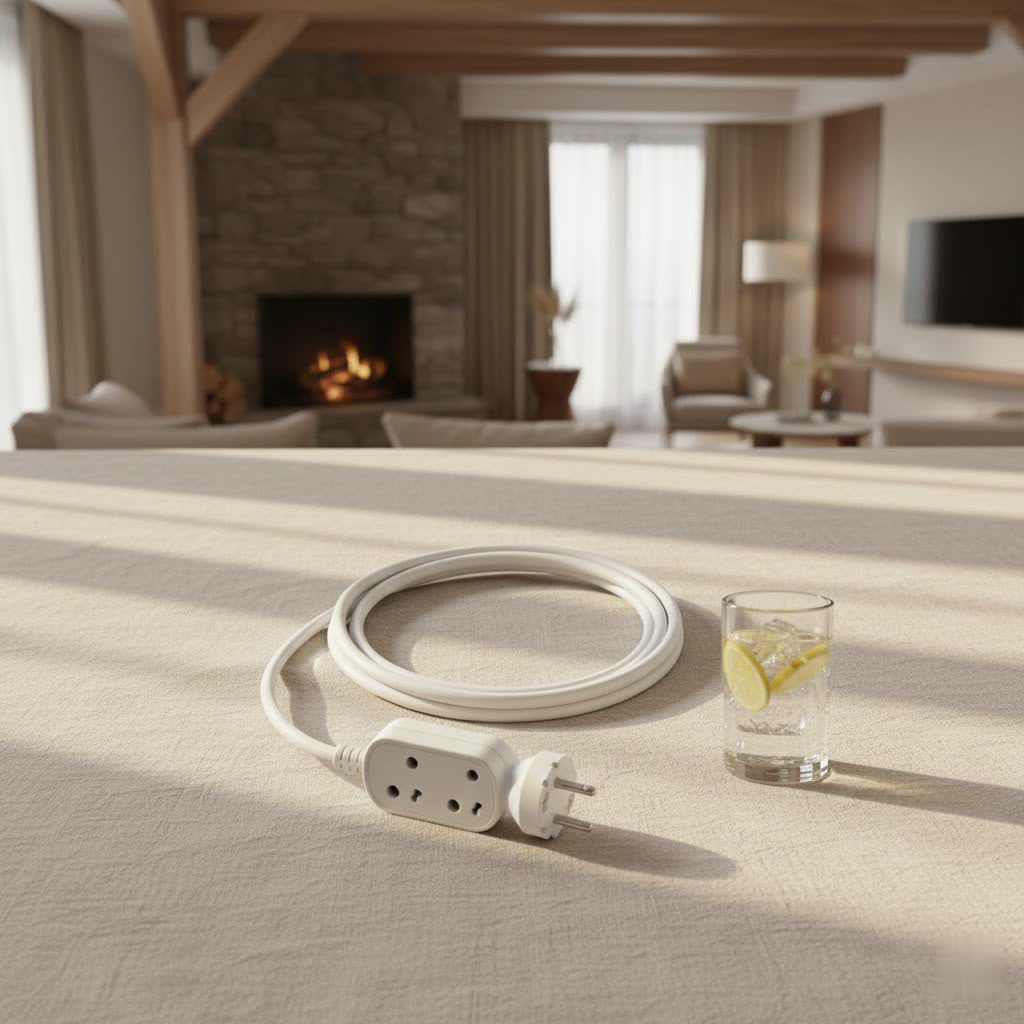
Gone are the days of basic power strips that just offer more outlets. Modern extension cords with integrated switches, whether controlling the entire strip or individual sockets, provide an intelligent way to manage your power, offering a level of control and peace of mind you never knew you needed. It’s more than just an accessory; it’s an upgrade to your electrical setup, designed for the savvy homeowner who values safety, savings, and simplicity.
What Makes an Extension Cord with a Switch So Smart?
At its core, an extension cord with a switch functions by providing you with immediate control over the electrical flow to your connected devices. Think of it as a personal power gatekeeper. When you flip or press that switch, you’re either completing the circuit to allow electricity to flow freely or breaking it to cut off power instantly. This might seem like a small detail, but its impact on your daily life and your home’s electrical health is significant.
Effortless Convenience at Your Fingertips
|
Our Picks for the Best Extension Cord in 2026
As an Amazon Associate I earn from qualifying purchases.
|
||
| Num | Product | Action |
|---|---|---|
| 1 | Amazon Basics Rectangle 6-Outlet, 600 Joule Surge Protector Power Strip, 2ft, Black, Small, 2-Pack |

|
| 2 | Anker Power Strip Surge Protector (2100J), 12 Outlets with 2 USB A and 1 USB C Port for Multiple Devices, 5ft Extension Cord, 20W Power Delivery Charging for Home, Office, Dorm Essential, TUV Listed |
|
| 3 | One Beat 10Ft Extension Cord with Multiple Outlets,Flat Plug Power Strip Surge Protector with 10 Ft Long Cord,6 Outlet 4 USB Ports (2USB C),Multi Outlet Wall Plug for Travel,College,Dorm Essentials |
|
| 4 | Amazon Basics Extension Cord, 10 Ft, 3 Prong Outlet Extender, Indoor Extension Cord, 13 Amps, 125V, Black |
|
| 5 | Surge Protector Power Strip - HANYCONY 8 Outlets 4 USB (2 USB C) Charging Ports, Multi Plug Outlet Extender, 5Ft Braided Extension Cord, Flat Plug Wall Mount Desk Charging Station for Home Office ETL |
|
| 6 | 10Ft Extension Cord with Multiple Outlets, Flat Plug Surge Protector Power Strip 10 Ft Long Cord, 8 Outlets & 4 USB Ports (2 USB C), Desk Charging Station for Home Office, College Dorm Room Essentials |
|
| 7 | Amazon Basics Surge Protector Power Strip, 6-Outlet, 790 Joules, LED Indicator, 6ft Extension Cord, White |
|
| 8 | POOFZY HCP045 Extension Cord, Compatible RGB+IC Permanent Outdoor Lights,9.85ft White |
|
| 9 | Amazon Basics Surge Protector Power Strip, 6-Outlet with 200J Protection, 2ft Extension Cord, Rectangle, Black (2 Pack) |
|
| 10 | 6 Ft Surge Protector Power Strip - 8 Widely Outlets with 4 USB Ports, 3 Side Outlet Extender with 6 Feet Extension Cord, Flat Plug, Wall Mount, Desk USB Charging Station, ETL,White |
|
Imagine your desk setup: computer, monitor, speakers, phone charger, lamp. With a traditional power strip, turning everything off means unplugging each item or reaching for a hard-to-access main switch. An extension cord with an individual switch for each outlet changes this entirely. A quick flick, and your monitor powers down, leaving your computer running if needed. For those awkwardly placed lamps or seasonal decorations, a switch on the cord means no more fumbling around in the dark or wrestling with stiff plugs. It’s about making your electrical management less of a chore and more of an intuitive action.
The Silent Energy Saver: Tackling Phantom Load
One of the most compelling reasons to embrace an extension cord with a switch is its ability to combat “phantom load” or “standby power.” Many electronic devices, even when “off” or in standby mode, continue to draw a small but constant trickle of electricity as long as they’re plugged in. This includes TVs, gaming consoles, phone chargers, coffee makers, and even power adapters. Over time, these small trickles add up, silently inflating your electricity bill and contributing to your carbon footprint.
An extension cord with a switch allows you to completely cut off power to these devices with a single action, eliminating that phantom draw entirely. It’s like pulling the plug without actually having to reach behind furniture or crawl under a desk. This simple habit can lead to noticeable savings on your energy bill each month and is a tangible step towards a more sustainable lifestyle.
Boosting Safety and Extending Device Lifespan
Beyond convenience and savings, these switched cords significantly enhance electrical safety. The ability to instantly cut power to a device is invaluable, especially in situations where you suspect an issue, like overheating or a strange smell. Moreover, constantly plugging and unplugging devices can cause wear and tear on both the device’s plug and the wall outlet itself. The mechanical stress can lead to loose connections, which are a common cause of electrical hazards. By using a switch, you minimize this physical strain, extending the lifespan of your valuable electronics and maintaining the integrity of your outlets.
Types of Extension Cords with Switches
The market for extension cords with switches has evolved considerably, offering a variety of options to suit different needs and environments. It’s not just about adding more outlets; it’s about adding smarter outlets.
Switch Mechanisms
You’ll find several types of switch mechanisms:
- Toggle Switches: These are the classic “on/off” flips, often found on individual outlets of a power strip or inline on a single extension cord. They provide a clear visual indication of power status.
- Push-Button Switches: Simple and often flush with the cord or strip, these require a single press to toggle power. They are great for a clean look.
- Foot Switches: Designed for ultimate hands-free convenience, these are popular for lamps or workshop tools where your hands might be occupied.
- Remote Control Switches: For hard-to-reach areas or managing multiple devices from a distance, a remote-controlled extension cord offers unparalleled flexibility.
Cord Configurations and Features
Beyond the switch type, these cords come in various configurations:
- Number of Outlets: From single-outlet cords for specific tasks to multi-outlet power strips with individual switches, there’s a size for every need.
- USB Ports: Many modern power strips with switches now include integrated USB-A and USB-C ports, allowing you to charge smartphones, tablets, and other portable devices directly without needing bulky adapters.
- Cord Length: Available in a range of lengths, it’s crucial to choose one that provides adequate reach without excessive slack that could become a tripping hazard.
- Indoor vs. Outdoor Ratings: While many extension cords with switches are designed for indoor use, specialized outdoor models feature robust, weather-resistant housing and waterproof switches to withstand the elements, perfect for garden lights or power tools. Always check the product’s rating for appropriate use.
Choosing the Right Extension Cord with a Switch for Your Needs
Selecting the perfect extension cord with a switch involves more than just picking the first one you see. It’s about understanding your specific requirements and prioritizing safety features to ensure a reliable and secure power solution.
Check for Essential Certifications (UL, ETL)
This is perhaps the most critical step. Always look for safety certifications from recognized organizations like Underwriters Laboratories (UL) or Intertek (ETL). These certifications mean the product has undergone rigorous testing and meets stringent national safety standards, significantly reducing risks like electrical fires, shocks, or overheating. A certified product is a trustworthy product. Without these labels, you’re taking an unnecessary gamble with your home’s safety.
Understand Wattage and Amperage Ratings
Every extension cord and power strip has a maximum load capacity, typically expressed in watts (W) or amperes (A). It’s crucial that the combined wattage of all devices you plug into the extension cord does not exceed this limit. Overloading an extension cord is a primary cause of overheating and electrical fires. For instance, a common indoor extension cord might be rated for 15 amps (approximately 1875 watts at 125 volts). Before purchasing, calculate the wattage of the devices you intend to connect to ensure it falls comfortably within the cord’s limits.
Consider Your Environment (Indoor, Outdoor, Heavy-Duty)
Your usage environment dictates the type of extension cord you need.
- Indoor Use: Standard indoor extension cords with switches are suitable for most household electronics and office equipment.
- Outdoor Use: If you need power for garden tools, holiday lights, or patio electronics, you MUST choose an extension cord explicitly rated for outdoor use. These are designed with thicker insulation, robust construction, and often weatherproof switches and outlets to withstand moisture, temperature fluctuations, and UV exposure. Look for labels like “SJTW” which indicate suitability for outdoor use.
- Heavy-Duty Applications: For workshops, construction sites, or powering high-drain tools like saws or compressors, opt for heavy-duty extension cords with lower gauge numbers (e.g., 12-gauge or 10-gauge). These cords have thicker wires that can safely carry higher amperages over longer distances without significant voltage drop or overheating.
Look for Added Safety Features (Surge Protection, Circuit Breakers, Individual Switches)
While the switch itself adds a layer of safety, many advanced extension cords include additional protective features:
- Surge Protection: Essential for protecting sensitive electronics like computers, TVs, and gaming systems from sudden voltage spikes caused by lightning strikes or power grid fluctuations. Look for a joule rating – higher joule ratings indicate greater protection.
- Circuit Breakers: An integrated circuit breaker automatically trips and cuts power if the cord is overloaded, preventing overheating and potential fires. This acts as an extra line of defense against electrical hazards.
- Individual Outlet Switches: As discussed, these offer granular control, allowing you to power down specific devices without affecting others, maximizing energy savings and convenience.
Safe Use and Maintenance: Your Guide to Electrical Peace of Mind
Even the best extension cord with a switch can become a hazard if not used and maintained correctly. Adhering to safety guidelines is paramount to protecting your home, your devices, and your loved ones.
Never Overload Your Extension Cord
This cannot be stressed enough. Overloading is the leading cause of power strip and extension cord related fires. Every cord has a limit.
- Distribute High-Power Devices: Avoid plugging multiple high-wattage appliances into a single extension cord or power strip.
- Avoid High-Wattage Appliances: Devices like space heaters, air conditioners, microwaves, toasters, refrigerators, and power tools draw significant current and should ideally be plugged directly into a dedicated wall outlet. If an extension cord is absolutely necessary, it must be a heavy-duty model specifically rated for that appliance’s wattage and used only temporarily.
Say NO to Daisy-Chaining
Daisy-chaining refers to plugging one extension cord or power strip into another, or into another power strip. This practice exponentially increases the risk of overloading the circuit and is an invitation to disaster. It can cause an immediate power surge, trip your circuit breaker, or worse, lead to overheating and fire. Always plug your extension cord directly into a wall outlet.
Keep Away From Water and Moisture
Electricity and water are a dangerous combination.
- Dry Areas Only (Unless Rated): Never use indoor extension cords in wet or damp environments like bathrooms, laundry rooms, or outdoors where they could be exposed to rain or dew.
- Waterproof Covers for Outdoor Use: If you are using an outdoor-rated extension cord with a switch, consider additional waterproof covers for the connections, especially in areas prone to heavy rain or irrigation.
Ensure Proper Ventilation
Extension cords, especially power strips with multiple devices, generate heat. This heat needs to dissipate.
- Avoid Covering: Never place extension cords under rugs, carpets, furniture, or in enclosed spaces like cabinets. This traps heat, leading to overheating, insulation damage, and potential fires.
- Open, Accessible Areas: Position your extension cords and power strips in open, well-ventilated areas where air can circulate freely. This also makes them easier to inspect and manage.
Regular Inspection is Key
Just like any other electrical device, extension cords can degrade over time.
- Check for Damage: Regularly inspect the entire cord and the housing for any signs of wear and tear: frayed wires, exposed conductors, cracks, discoloration, melted plastic, or loose outlets.
- Replace Promptly: If you notice any damage, no matter how minor, stop using the cord immediately and replace it. Do not attempt to repair damaged cords; it’s a significant safety risk. Most experts recommend replacing extension cords every 3-5 years, or sooner if they show signs of degradation.
Master the Switch: Turn Off Before Unplugging
While convenient, using the switch improperly can still cause issues. Always turn off the switch on the extension cord before unplugging any connected device. Unplugging a device while it’s still drawing power can create a small electrical arc, which over time can damage the outlet, the plug, and the internal components of the extension cord itself, reducing its lifespan and efficiency.
Common Misconceptions About Extension Cords
Even with all the readily available information, a few persistent myths about extension cords continue to circulate, potentially leading to unsafe practices.
One common misconception is that “all power strips are surge protectors.” This is simply not true. While many power strips do include surge protection, a basic power strip merely expands the number of available outlets without offering any defense against voltage spikes. Always check for a joule rating and UL/ETL certification specifically for surge protection if that’s a feature you need.
Another myth is, “If a device is plugged into an extension cord but turned off, it uses no power.” As we’ve discussed, this is where the “phantom load” comes into play. Most modern electronics continue to draw a small amount of electricity even when seemingly off, just by being connected to a live circuit. This is precisely why an extension cord with a switch is so valuable – it allows you to completely cut off that power, truly disconnecting the device from the mains.
Expert Insight
“In my decade of working with electrical systems, I’ve seen firsthand the dangers of misused extension cords,” shares Alex Rivera, a seasoned Electrical Safety Specialist. “The simplest switch on an extension cord can prevent countless hazards by empowering users to easily manage power flow. It’s not just about convenience; it’s a fundamental step towards safer homes and smarter energy consumption. Always invest in quality, look for certifications, and never underestimate the importance of responsible use.”
Frequently Asked Questions (FAQ)
What is the difference between an extension cord with a switch and a regular power strip?
An extension cord with a switch, often a type of power strip, includes an integrated on/off switch (either master or individual for each outlet). A regular power strip simply provides multiple outlets but usually lacks any switching capabilities beyond perhaps a main reset button. The switch allows you to control power flow directly, improving safety and energy efficiency.
Can I use an extension cord with a switch for high-power appliances like space heaters?
No, generally, it is not recommended. High-power appliances like space heaters, microwaves, or air conditioners draw a significant amount of electricity and can easily overload most standard extension cords or power strips, even those with switches. These devices should ideally be plugged directly into a dedicated wall outlet to prevent overheating and fire hazards.
How often should I replace my extension cord with a switch?
You should replace your extension cord with a switch every 3 to 5 years, or immediately if you notice any signs of damage. Look for frayed wires, exposed conductors, cracks in the casing, discoloration, melted plastic, or loose outlets. Regular inspection is key to ensuring ongoing safety and optimal performance.
Do individual switches on an extension cord really save energy?
Yes, absolutely. Individual switches allow you to cut power to specific devices when they are not in use, eliminating “phantom load” or standby power consumption. This prevents devices from drawing small amounts of electricity even when turned off, leading to tangible savings on your electricity bill and reducing your overall energy footprint.
What certifications should I look for when buying an extension cord with a switch?
Always look for safety certifications from recognized testing laboratories. In North America, the most common and trusted certifications are UL (Underwriters Laboratories) and ETL (Intertek). These marks ensure the product meets stringent safety standards for electrical devices, reducing the risk of fires, shocks, and other hazards.
Conclusion
The extension cord with a switch is far more than a simple convenience; it’s an essential tool for creating a safer, more energy-efficient, and better-organized living or working space. By providing immediate control over your electrical devices, it empowers you to reduce phantom load, protect sensitive electronics, and mitigate common electrical hazards.
As a seasoned expert in electrical safety and efficiency, I wholeheartedly recommend incorporating these smart solutions into your home. Make the conscious choice to upgrade from basic cords to those with switches, always prioritizing certified products and adhering to safe usage practices. Your electrical peace of mind, your wallet, and the planet will thank you. Now, go forth and power your world wisely!
