Let’s face it, a good extension cord is an unsung hero in our modern lives, bridging the gap between power outlets and our ever-growing array of devices. And when it comes to blending seamlessly into your décor or maintaining a professional look in your workspace, the Black Extension Cord stands out. But beyond its sleek appearance, understanding the nuances of these essential tools is crucial for both efficiency and, more importantly, safety. With over a decade of practical experience in electrical systems and as a content creator for IRPGS.com, I’m here to equip you with the knowledge to make informed decisions, keep your power running smoothly, and prevent common electrical mishaps.
The Versatility of a Black Extension Cord: More Than Just a Shade
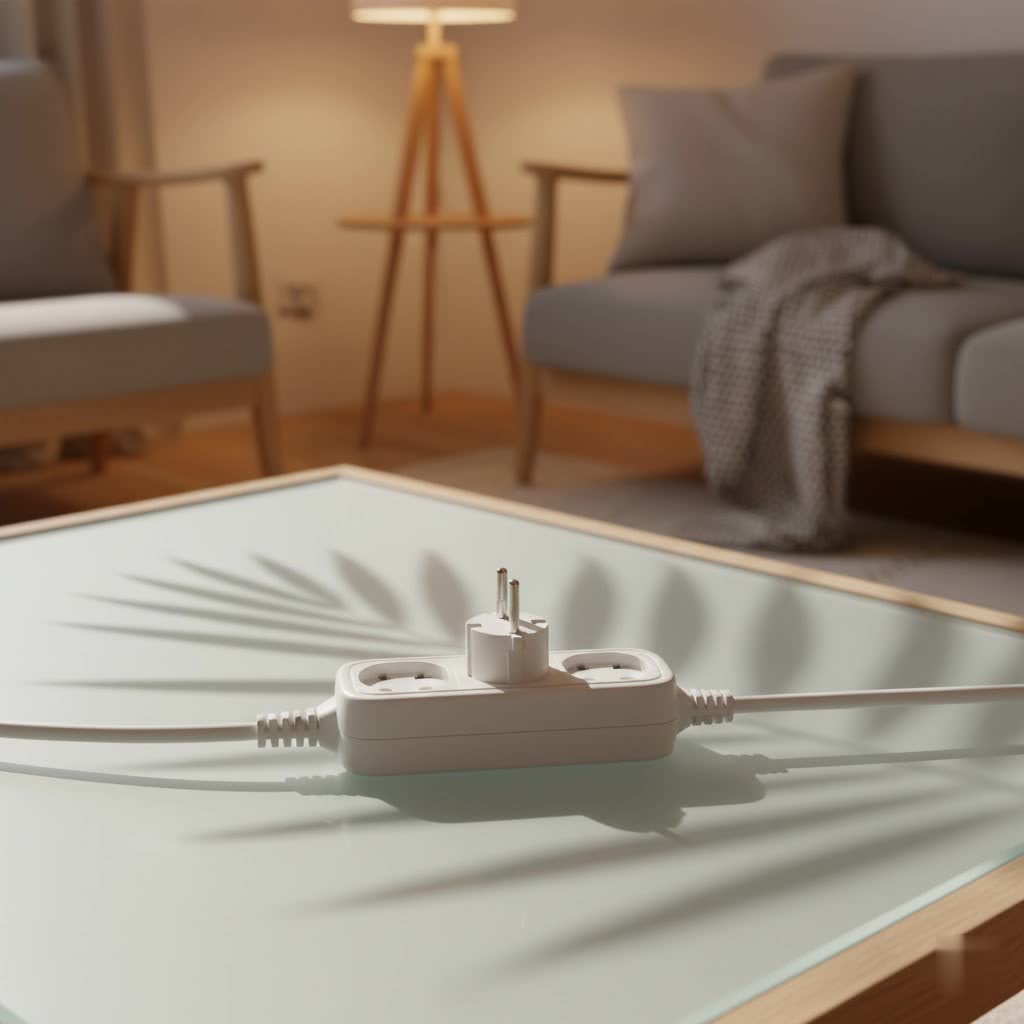
While the color black might seem like a minor detail, it plays a significant role in where and how these cords are often deployed. A black extension cord offers an aesthetic advantage, easily disappearing against dark floors, furniture, or outdoor landscapes. This makes them a popular choice for home entertainment setups, office environments where wires need to be discreet, or for outdoor use with holiday lights and garden tools where you want the focus on the display, not the power supply. Their common usage spans everything from powering a desk lamp to running heavy-duty machinery, underscoring the importance of selecting the right type for the job.
Decoding Extension Cord Types: Finding Your Perfect Black Match
Not all extension cords are created equal, and choosing the wrong one can lead to inefficiency, damaged appliances, or even serious hazards like electrical fires. Understanding the different classifications will help you pick a reliable and safe black extension cord.
Indoor vs. Outdoor Black Extension Cords
The environment where you’ll use your cord is paramount.
- Indoor Black Extension Cords are typically designed for light-to-medium duty applications. They feature thinner insulation, often made of rubber or plastic, suitable for stable indoor temperatures. These cords are perfect for powering lamps, chargers, or office electronics. Crucially, they lack the robust protection needed for the elements.
- Outdoor Black Extension Cords are built to withstand Mother Nature’s moods. They boast thicker, more durable insulation that resists moisture, temperature fluctuations, and harmful UV rays. Many outdoor-rated cords also remain flexible in colder temperatures and usually come with a three-prong grounded plug for added safety. When shopping, look for markings like “W” or “W-A” on the cord, indicating its weather-resistant capabilities. The black color option is particularly popular for outdoor use as it blends effortlessly with soil, patios, or dark exterior walls.
|
Our Picks for the Best Extension Cord in 2026
As an Amazon Associate I earn from qualifying purchases.
|
||
| Num | Product | Action |
|---|---|---|
| 1 | Amazon Basics Extension Cord, 10 Ft, 3 Prong Outlet Extender, Indoor Extension Cord, 13 Amps, 125V, Black |

|
| 2 | POOFZY HCP045 Extension Cord, Compatible RGB+IC Permanent Outdoor Lights,9.85ft White |
|
| 3 | Amazon Basics Surge Protector Power Strip, 6-Outlet with 200J Protection, 2ft Extension Cord, Rectangle, Black (2 Pack) |
|
| 4 | One Beat 10Ft Extension Cord with Multiple Outlets,Flat Plug Power Strip Surge Protector with 10 Ft Long Cord,6 Outlet 4 USB Ports (2USB C),Multi Outlet Wall Plug for Travel,College,Dorm Essentials |
|
| 5 | Anker Power Strip Surge Protector (2100J), 12 Outlets with 2 USB A and 1 USB C Port for Multiple Devices, 5ft Extension Cord, 20W Power Delivery Charging for Home, Office, Dorm Essential, TUV Listed |
|
| 6 | Amazon Basics Surge Protector Power Strip, 6-Outlet, 790 Joules, LED Indicator, 6ft Extension Cord, White |
|
| 7 | 6 Ft Surge Protector Power Strip - 8 Widely Outlets with 4 USB Ports, 3 Side Outlet Extender with 6 Feet Extension Cord, Flat Plug, Wall Mount, Desk USB Charging Station, ETL,White |
|
| 8 | Surge Protector Power Strip - HANYCONY 8 Outlets 4 USB (2 USB C) Charging Ports, Multi Plug Outlet Extender, 5Ft Braided Extension Cord, Flat Plug Wall Mount Desk Charging Station for Home Office ETL |
|
| 9 | Amazon Basics Rectangle 6-Outlet, 600 Joule Surge Protector Power Strip, 2ft, Black, Small, 2-Pack |
|
| 10 | 10Ft Extension Cord with Multiple Outlets, Flat Plug Surge Protector Power Strip 10 Ft Long Cord, 8 Outlets & 4 USB Ports (2 USB C), Desk Charging Station for Home Office, College Dorm Room Essentials |
|
Understanding Gauge (AWG) and Power Needs
The “gauge” of an extension cord refers to the thickness of its internal wires, measured by the American Wire Gauge (AWG) system. This is a critical factor in determining how much electrical current (amperage) a cord can safely carry. It might seem counter-intuitive, but the lower the AWG number, the thicker the wire, and the more power it can handle.
- Light-Duty Cords (16-18 AWG): Ideal for small appliances like lamps, radios, and phone chargers.
- Medium-Duty Cords (14 AWG): Suitable for TVs, kitchen appliances, and some power tools like drills or lawnmowers.
- Heavy-Duty Cords (10-12 AWG): Essential for high-wattage devices such as air compressors, power saws, and large shop vacuums. These are often the thick, round cords you see on job sites and are frequently available as black extension cords for durability and discreet placement.
Remember, longer cords inherently have more electrical resistance. This means a 100-foot cord needs to be a thicker gauge than a 25-foot cord to carry the same amount of power safely. Always match the cord’s wattage and amperage rating to the device you’re powering; it’s usually listed on the appliance or in its manual.
Plug Types and Grounding
Most extension cords come with either two-prong or three-prong plugs.
- Two-prong plugs are ungrounded and typically found on light-duty cords for devices that don’t require a ground wire.
- Three-prong plugs offer grounding, an essential safety feature that protects against electrical shock in case of a fault. For any power tool or appliance with a three-prong plug, you absolutely must use a three-prong extension cord. Never remove the grounding pin from a three-prong plug to fit it into a two-prong outlet, as this bypasses a critical safety mechanism.
Essential Safety Practices for Your Black Extension Cord
Even the best-quality black extension cord can become a hazard if misused. Adhering to safety best practices is not just good advice, it’s a necessity to protect your home, your equipment, and yourself.
Before You Plug It In: Inspection is Key
Before each use, take a moment to visually inspect your extension cord. Look for any signs of damage such as frayed insulation, exposed wires, kinks, cuts, or damaged plugs and connectors. If you spot any wear and tear, discard the cord immediately and replace it. Faulty cords can overheat quickly, leading to electrical fires or shocks. Always ensure your extension cord has been approved by an independent testing laboratory, like UL (Underwriters Laboratories), which signifies it meets rigorous safety standards.
Using Your Cord Wisely: Do’s and Don’ts
Proper usage extends the life of your cord and, more importantly, prevents dangerous situations.
- DO check that the cord’s wattage rating matches or exceeds the device you’re using.
- DO fully insert the extension cord’s plug into the outlet and the appliance’s plug into the extension cord to ensure a secure connection.
- DO keep cords away from water and always use ground-fault circuit interrupter (GFCI) protection when operating outdoors or in damp environments.
- DO unplug extension cords when they are not in use.
- DON’T overload extension cords with more than their proper electrical load. This is a common mistake and a leading cause of overheating.
- DON’T “daisy-chain” by plugging multiple extension cords or power strips into one another, as this can easily lead to overloading.
- DON’T run extension cords through doorways, under rugs, or beneath furniture. This prevents heat from escaping, can damage the insulation, and creates trip hazards.
- DON’T attach extension cords to walls or surfaces with nails or staples, which can damage the wire and insulation.
- DON’T bend or coil cords tightly when they are in use, as this can cause heat buildup.
“Always treat an extension cord as a temporary power solution, not a permanent wiring fix. Misuse is a leading cause of electrical fires, so understanding the limitations and proper handling of your cord is paramount.” — Eleanor Vance, Master Electrician.
Common Black Extension Cord Issues and How to Fix Them
Even with careful use, problems can arise. Knowing how to identify and address common issues can help prevent minor annoyances from escalating into major hazards.
Overheating: A Red Flag (Even if the Cord is Black!)
If your extension cord feels warm or hot to the touch, it’s a clear sign of overheating.
- Causes: This often happens due to overloading the cord with too many devices or devices that draw too much power for its gauge. Tightly coiled cords also trap heat, contributing to the problem.
- Solution: Immediately unplug the cord. Assess the total wattage of the devices connected and ensure it doesn’t exceed the cord’s rating. If necessary, switch to a heavier-gauge cord or distribute your devices to different outlets. Always uncoil cords fully when in use to allow heat to dissipate.
Damaged Insulation or Exposed Wires
Frayed insulation, cuts, or exposed wires are serious safety concerns.
- Causes: These can result from wear and tear, pets chewing on the cord, or heavy furniture placed over it.
- Solution: If you find significant damage that exposes the inner wires, do not attempt to repair it with electrical tape. While tape might offer a temporary fix for a minor nick, it’s not a reliable solution for compromised insulation. For substantial damage, the safest course of action is to replace the entire extension cord to eliminate the risk of shock or fire. Your safety is worth more than the cost of a new cord.
Loose Connections and Intermittent Power
If your device repeatedly cuts out or flickers, a loose connection might be the culprit.
- Causes: This can occur if the plugs aren’t fully inserted, if the outlet itself is worn, or if the cord’s plug has internal damage.
- Solution: First, ensure both ends of the extension cord are firmly and fully plugged into their respective receptacles. If the problem persists, try plugging the cord into a different outlet to rule out an issue with the wall receptacle. If the cord’s plug feels loose or wobbly even in a good outlet, it’s time to replace the cord. Loose connections can generate heat and sparks, posing a fire risk.
Conclusion
A black extension cord can be a sleek, practical, and highly versatile tool, whether you’re tidying up your home office or lighting up your backyard. But its aesthetic appeal shouldn’t overshadow the critical importance of safety and proper usage. By understanding the different types, selecting the appropriate gauge, and diligently following safety guidelines, you can harness the power of your extension cords without compromise. Always inspect your cords, avoid overloading, and remember that when in doubt, it’s better to replace a damaged cord than to risk a hazard. With these insights, you’re now equipped to make confident choices and ensure your power connections are both efficient and secure. Stay safe, stay powered!
