In our increasingly connected world, where every gadget, from smartphones to smart home devices, demands power, the humble multi-plug extension cord has become an undeniable household hero. It offers the seemingly magical solution of transforming a single wall outlet into a bustling power hub, allowing you to charge your laptop, illuminate your desk, and power your blender all at once. But here’s the kicker: while incredibly convenient, these electrical lifelines, including any Multi Plug Extension Cord, also carry significant safety risks if not chosen, used, and maintained with the utmost care. As Johnathan Sparks, your seasoned electrical safety guru and the voice behind irpgs.com, I’m here to demystify these essential tools and equip you with the knowledge to power your life safely and efficiently.
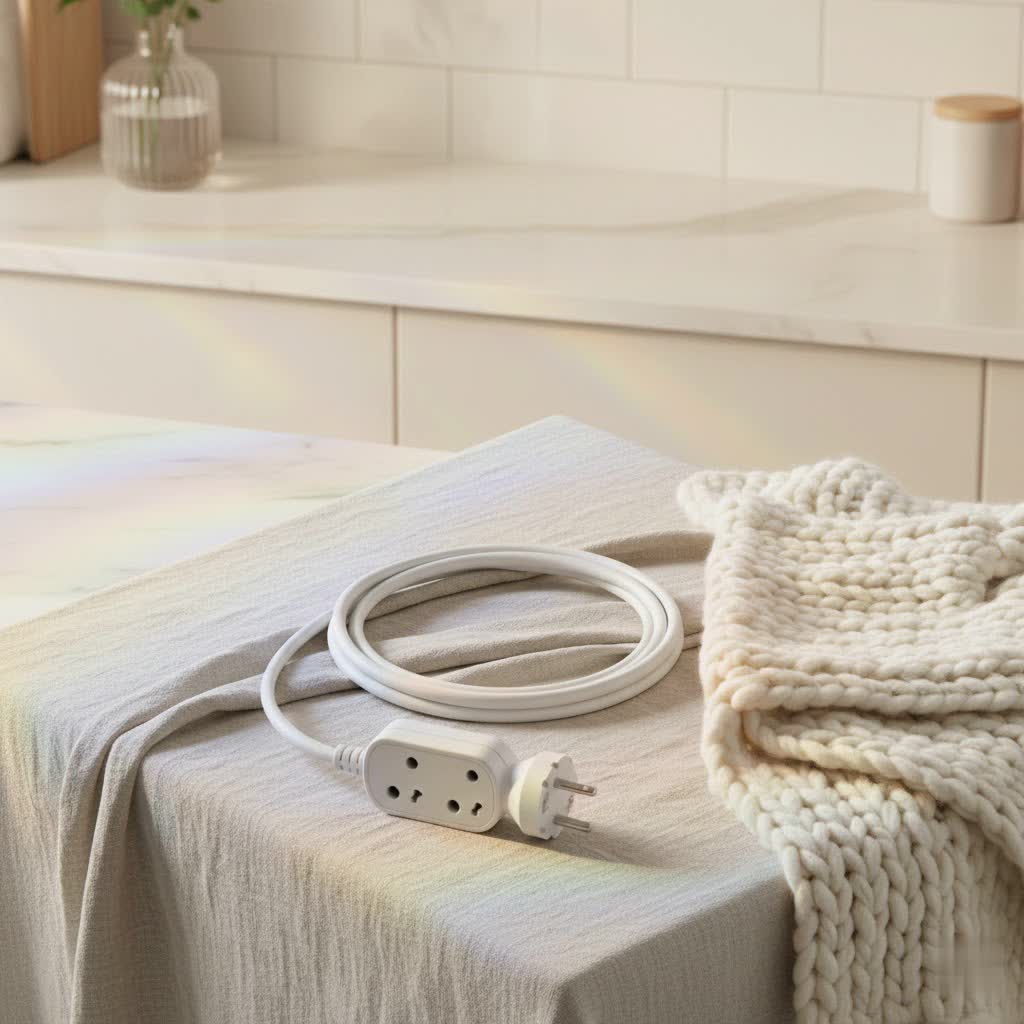
The Modern Dilemma: Why Multi-Plug Extension Cords Are Essential (and Tricky)
Think about it: the average home today juggles a significant number of connected devices—smart TVs, gaming consoles, kitchen appliances, and various personal electronics. Wall outlets often fall short of meeting this growing demand, making a multi plug extension cord an indispensable tool for many. They extend the reach of your power source, bring multiple outlets to where you need them most, and simplify your setup. However, this convenience can quickly turn into a hazard. Overloading, improper placement, and damaged cords are common culprits behind electrical fires and shocks. Understanding the nuances is key to harnessing their power without inviting danger.
Understanding Your Power Hub: Types of Multi-Plug Extension Cords
Not all multi-plug extension cords are created equal. Each type serves a specific purpose, and knowing the differences is your first step towards safe usage.
Standard Multi-Outlet Extension Cords
|
Our Picks for the Best Extension Cord in 2026
As an Amazon Associate I earn from qualifying purchases.
|
||
| Num | Product | Action |
|---|---|---|
| 1 | 10Ft Extension Cord with Multiple Outlets, Flat Plug Surge Protector Power Strip 10 Ft Long Cord, 8 Outlets & 4 USB Ports (2 USB C), Desk Charging Station for Home Office, College Dorm Room Essentials |

|
| 2 | POOFZY HCP045 Extension Cord, Compatible RGB+IC Permanent Outdoor Lights,9.85ft White |
|
| 3 | Surge Protector Power Strip - HANYCONY 8 Outlets 4 USB (2 USB C) Charging Ports, Multi Plug Outlet Extender, 5Ft Braided Extension Cord, Flat Plug Wall Mount Desk Charging Station for Home Office ETL |
|
| 4 | One Beat 10Ft Extension Cord with Multiple Outlets,Flat Plug Power Strip Surge Protector with 10 Ft Long Cord,6 Outlet 4 USB Ports (2USB C),Multi Outlet Wall Plug for Travel,College,Dorm Essentials |
|
| 5 | Amazon Basics Rectangle 6-Outlet, 600 Joule Surge Protector Power Strip, 2ft, Black, Small, 2-Pack |
|
| 6 | Amazon Basics Surge Protector Power Strip, 6-Outlet, 790 Joules, LED Indicator, 6ft Extension Cord, White |
|
| 7 | 6 Ft Surge Protector Power Strip - 8 Widely Outlets with 4 USB Ports, 3 Side Outlet Extender with 6 Feet Extension Cord, Flat Plug, Wall Mount, Desk USB Charging Station, ETL,White |
|
| 8 | Anker Power Strip Surge Protector (2100J), 12 Outlets with 2 USB A and 1 USB C Port for Multiple Devices, 5ft Extension Cord, 20W Power Delivery Charging for Home, Office, Dorm Essential, TUV Listed |
|
| 9 | Amazon Basics Surge Protector Power Strip, 6-Outlet with 200J Protection, 2ft Extension Cord, Rectangle, Black (2 Pack) |
|
| 10 | Amazon Basics Extension Cord, 10 Ft, 3 Prong Outlet Extender, Indoor Extension Cord, 13 Amps, 125V, Black |
|
These are your basic workhorses, offering multiple receptacles from a single plug. They’re ideal for light-duty applications where you need to power several low-wattage devices, like lamps, phone chargers, or small electronics.
Power Strips with Surge Protection
For your sensitive and valuable electronics, a power strip with built-in surge protection is non-negotiable. It acts as a shield, diverting excess voltage away from your devices during a power surge, protecting them from potential damage. Many of these also include overload protection, which automatically cuts power if too many devices draw excessive current, preventing overheating.
Extension Cords with USB Ports
In an era of ubiquitous USB-powered devices, many modern multi plug extension cords now come integrated with USB-A and USB-C ports. These are incredibly convenient for charging smartphones, tablets, and other gadgets directly, reducing the need for bulky adapters and freeing up AC outlets.
Wall-Mounted Multi-Plugs
Designed to plug directly into a wall outlet, these adapters often offer a compact, space-saving solution. They’re excellent for eliminating floor clutter and reducing tripping hazards, making them a tidy addition to any workspace or living area.
Heavy-Duty Multi-Plug Extension Cords
When you’re dealing with power-hungry appliances or tools like blenders, vacuums, or power drills, you need a heavy-duty multi plug extension cord. These cords feature thicker wires (a lower gauge number) and higher amperage ratings, allowing them to safely carry larger electrical loads without overheating. They are often more durable and designed to withstand greater wear and tear.
Indoor vs. Outdoor Rated
This is a critical distinction. Indoor cords are not designed to withstand the elements and can quickly deteriorate when exposed to moisture, sunlight, or extreme temperatures, posing a severe fire and shock risk. Outdoor multi plug extension cords, on the other hand, are built with weather-resistant insulation, often brightly colored (like orange), and are typically thicker with three-prong grounded plugs to protect against environmental factors. Always look for a “W” on the cord or packaging, which designates it for outdoor use.
Choosing Your Perfect Multi-Plug Companion: What to Look For
Selecting the right multi plug extension cord involves more than just picking one with enough outlets. Here’s what my decades of experience have taught me to prioritize:
-
Power Rating (Amps & Watts): Every extension cord has a maximum power load it can safely handle, usually indicated in amps (A) or watts (W) on the cord itself or its packaging. As a golden rule, the total wattage of all devices plugged into the cord must not exceed this rating. To calculate total wattage, remember the simple formula: Power (Watts) = Voltage (Volts) x Current (Amps). Overloading is a leading cause of overheating and fires.
- Expert Insight from Johnathan Sparks: “Many people underestimate the power draw of common appliances. Don’t just guess; check the labels on your devices. A typical 1500-watt space heater, for instance, draws about 12.5 amps, which can easily overload a standard 16-gauge cord rated for only 10 amps. Always plug high-wattage items directly into a wall outlet whenever possible.”
-
Wire Gauge: This refers to the thickness of the copper wire inside the cord. It’s counter-intuitive: the smaller the gauge number, the thicker the wire, and the greater its capacity to carry electrical current.
- 16-gauge: Suitable for light-duty devices (lamps, phone chargers).
- 14-gauge: Good for medium-duty items (small power tools, vacuums).
- 12- or 10-gauge: Essential for heavy-duty appliances (large power tools, air conditioners) and longer cords, as thicker wires reduce voltage drop over distance.
-
Plug Type: 2-Prong vs. 3-Prong (Grounded): Always opt for a three-prong plug, especially for any multi plug extension cord that will power devices with metal casings or those requiring significant current. The third, round prong provides a crucial grounding path, reducing the risk of electric shock and fire in case of a malfunction.
-
Safety Certifications: Look for labels from independent testing laboratories like UL (Underwriters Laboratories), CSA (Canadian Standards Association), or ETL. These certifications signify that the cord has met rigorous safety standards. Counterfeit or unapproved cords can be highly dangerous.
-
Length: Choose an extension cord that is just long enough for your needs. An excessively long cord can lead to voltage drop, reducing power efficiency, and can also become a tripping hazard or tangle easily, increasing the risk of damage and overheating if coiled.
-
Built-in Features:
- Overload Protection: Many power strips include a circuit breaker that trips if the connected load exceeds the cord’s capacity.
- Individual Switches: Allow you to turn off power to specific outlets, saving energy and adding convenience.
- Flat Plugs: Can be useful for outlets behind furniture, allowing furniture to sit closer to the wall.
Powering Up Safely: Best Practices for Using Multi-Plug Extension Cords
Even with the perfect cord, improper use is a recipe for disaster. Follow these best practices to ensure your safety:
-
Always Inspect Before Use: Make it a habit to quickly examine your multi plug extension cord for any signs of wear and tear before plugging it in. Look for frayed wires, exposed conductors, cracks or dents on the plugs, burn marks, or discoloration of the insulation. If you spot any damage, replace the cord immediately. Never attempt to repair a damaged extension cord yourself.
-
Avoid Overloading: This cannot be stressed enough. Never plug in devices whose combined wattage exceeds the extension cord’s rating. Overloading causes the cord to overheat, which can melt insulation, damage devices, or even ignite a fire. If you need more outlets or higher capacity, install additional wall outlets or consult a professional electrician.
-
Never “Daisy-Chain”: Plugging one multi plug extension cord into another (known as “daisy-chaining”) is a dangerous practice that significantly increases the risk of overheating and fire. Each connection adds resistance, and the cumulative load can quickly overwhelm the first cord in the chain. If you need more length, buy a single, longer cord with the appropriate gauge.
-
Indoor vs. Outdoor Use: Use indoor cords indoors only, and outdoor cords outdoors only. Outdoor cords are specifically designed to withstand moisture and temperature fluctuations. Using an indoor cord outside is a serious safety violation and fire hazard.
-
Proper Placement:
- Keep extension cords away from water sources like sinks, bathtubs, or damp floors to prevent electrical shock.
- Avoid running cords under carpets, rugs, or furniture. This traps heat, preventing proper cooling, and can cause the cord to overheat and potentially ignite. It also conceals damage and creates a tripping hazard.
- Route cords away from high-traffic areas where they could be tripped over or stepped on, which can damage the cord’s insulation or cause injury.
- Never staple, nail, or tape cords to walls or floors, as this can puncture the insulation and expose live wires.
-
Temporary Use: Multi-plug extension cords are designed for temporary power solutions, not as a substitute for permanent wiring. If you find yourself relying on extension cords in a particular area frequently, it’s a clear sign you need more permanent outlets installed by a licensed electrician.
-
Secure Connections: Ensure all plugs are fully and snugly inserted into the outlets. Loose connections can cause sparking, overheating, or short circuits.
-
Unplug When Not in Use: Always unplug extension cords when they are not in use. When disconnecting, pull on the plug itself, not the cord, to prevent damaging the wiring. Store cords indoors, neatly coiled, to avoid kinks and damage.
When Things Go Wrong: Common Issues and Troubleshooting
Even with the best intentions, problems can arise. Here’s how to identify and address common multi plug extension cord issues:
-
Overheating: If your multi plug extension cord feels warm to the touch, or worse, hot, unplug it immediately. This is a critical sign of overloading, damage, or improper ventilation. Check the total wattage of connected devices, ensure it’s not covered, and inspect the cord for damage. If it continues to overheat, discontinue use and replace it.
-
Tripped Breakers/Fuses: If your circuit breaker trips or a fuse blows, it’s a clear indication that the circuit is overloaded. This is the electrical system’s way of preventing overheating and potential fires. Reduce the load on that circuit by unplugging some devices, especially high-wattage ones, and redistribute them to other circuits if possible.
-
Visible Damage: Any fraying, cuts, exposed wires, or bent/broken prongs mean the cord is compromised. Do not use a damaged cord. It is an immediate shock and fire hazard. Replace it, no questions asked.
-
Voltage Drop: For very long extension cords, you might notice that devices at the far end don’t operate at full power. This is due to voltage drop, where the electrical current loses strength over distance. The solution is to use a shorter cord, or a cord with a thicker wire gauge (lower number), which can handle the length more effectively.
Beyond the Cord: Long-Term Power Solutions
While the multi plug extension cord offers fantastic temporary flexibility, it’s rarely the ideal permanent solution. For lasting safety and convenience, consider these long-term alternatives:
-
Install Additional Outlets: The safest and most reliable solution for insufficient outlets is to have a licensed electrician install more wall receptacles in your home or office. This ensures your electrical system can handle the load safely and efficiently.
-
Consult a Licensed Electrician: If you have complex power needs, are planning a home renovation, or are unsure about your electrical system’s capacity, always consult a professional. An electrician can assess your needs, recommend appropriate upgrades, and ensure all installations meet local electrical safety standards.
Frequently Asked Questions (FAQ)
Q: Can I use a multi-plug extension cord for major appliances like refrigerators or air conditioners?
A: Generally, no. High-power appliances like refrigerators, air conditioners, space heaters, or microwaves should always be plugged directly into a dedicated wall outlet. They draw significant current and can easily overload a standard multi-plug extension cord, creating a serious fire hazard.
Q: How do I know if my multi-plug extension cord has surge protection?
A: Look for a label or indicator on the cord or power strip explicitly stating “surge protection” or “surge suppressor,” often accompanied by a joule rating (e.g., 2480J). Many models will also have a small indicator light to show the surge protection is active.
Q: What is “wire gauge” and why does it matter?
A: Wire gauge refers to the thickness of the conductive wire inside the extension cord. It’s crucial because a thicker wire (indicated by a smaller gauge number, like 12-gauge) can safely carry more electrical current than a thinner wire (like 16-gauge) without overheating. Matching the gauge to your devices’ power needs is vital for safety.
Q: Is it safe to run a multi-plug extension cord under a rug?
A: Absolutely not. Running extension cords under rugs, carpets, or furniture is extremely dangerous. It traps heat, which can cause the cord to overheat and potentially ignite a fire. It also hides potential damage and creates a significant tripping hazard.
Q: How often should I inspect my extension cords?
A: It’s a good practice to visually inspect your multi plug extension cords every time you use them. For cords in frequent use or high-traffic areas, a more thorough inspection should be done regularly, perhaps monthly, checking for signs of wear, damage, or loose connections. Replace any damaged cords immediately.
Conclusion
Multi-plug extension cords are incredibly useful tools that help us manage the power demands of our modern lives. However, they come with a responsibility. By understanding the different types available, meticulously selecting the right one for your specific needs, and diligently following expert safety guidelines, you transform these conveniences from potential hazards into reliable allies. Remember, your safety, and the safety of your home and loved ones, is paramount. So, choose wisely, use thoughtfully, and maintain diligently. Let’s work together to make every connection a safe one. And hey, if you’ve got a clever tip or a “lesson learned” story about extension cords, share it with the irpgs.com community! We’re all in this together, powering up responsibly.
