In our modern, gadget-filled homes, managing power is a constant challenge. Wires snake across floors, outlets are always in short supply, and the clutter can be a real headache. But what if there was a simple, elegant solution that not only provided the power you need but also enhanced your home’s safety and aesthetics? Enter the Flat Extension Cord – a true game-changer in the world of electrical accessories. Here at IRPGS.com, with over a decade in the trenches of electrical safety and practical power solutions, we’ve seen how this seemingly small innovation can make a huge difference.
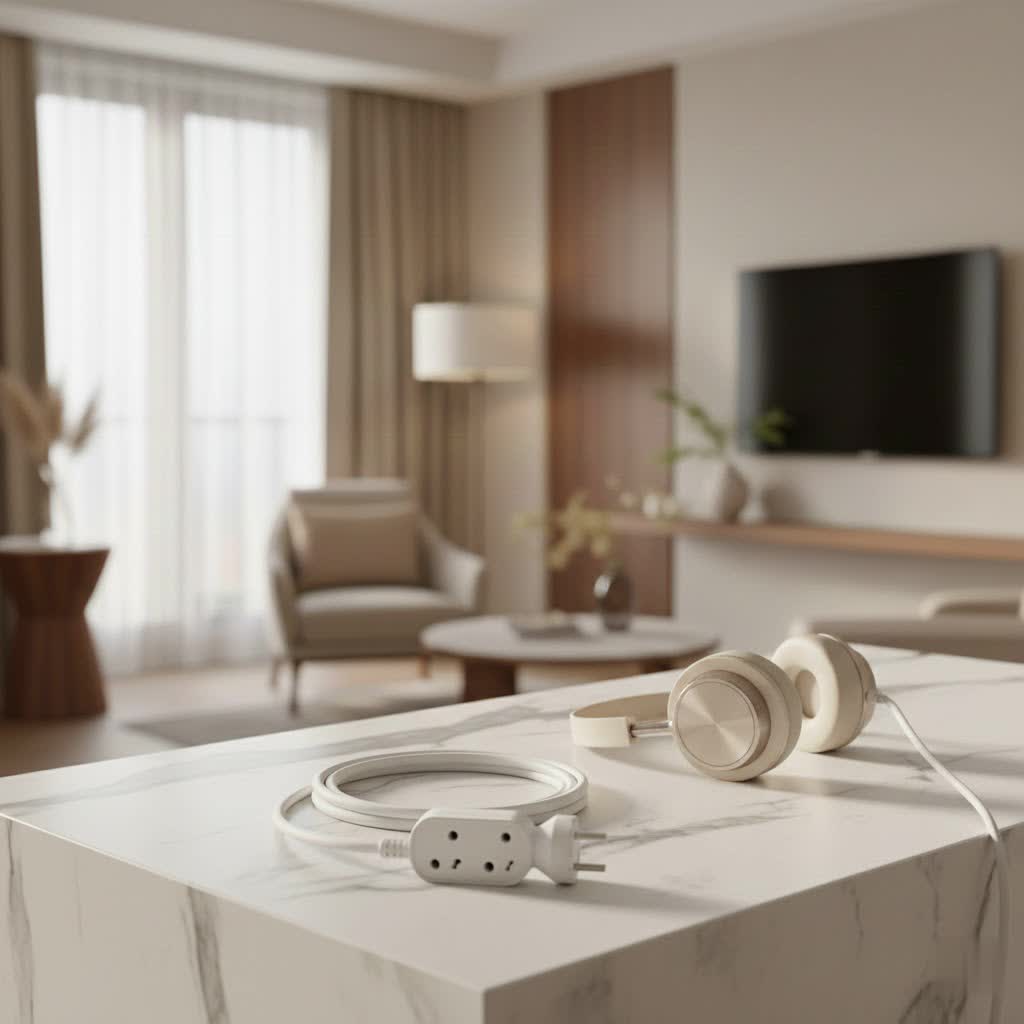
If you’re tired of bulky plugs, tripping hazards, and messy cables, understanding the ins and outs of a flat extension cord is your next big step towards a tidier, safer, and more efficient living space. It’s not just about getting power from point A to point B; it’s about doing it smartly.
What Makes a Flat Extension Cord Different?
At its core, a flat extension cord is designed with a low-profile, sleek aesthetic that sets it apart from traditional, bulky round cords. The most noticeable feature is its flat plug, which sits flush against the wall, allowing furniture and appliances to be placed much closer to the outlet without obstruction. This slim design isn’t just for looks; it’s engineered for practicality.
Unlike conventional round cords that typically bundle conductors in a circular cross-section, flat cords often arrange them side-by-side. This parallel construction contributes to their low profile and can even offer benefits in terms of heat dissipation and durability in specific applications. While round cords have been the industry standard for a long time, these newer flat variants are quickly proving their worth as a worthy alternative, especially in modern residential and office environments.
The Undeniable Advantages of Flat Extension Cords
Why are flat extension cords gaining so much traction? It boils down to a blend of ingenious design and practical benefits that directly address common household frustrations.
Space-Saving Savvy
|
Our Picks for the Best Extension Cord in 2026
As an Amazon Associate I earn from qualifying purchases.
|
||
| Num | Product | Action |
|---|---|---|
| 1 | Amazon Basics Surge Protector Power Strip, 6-Outlet with 200J Protection, 2ft Extension Cord, Rectangle, Black (2 Pack) |

|
| 2 | One Beat 10Ft Extension Cord with Multiple Outlets,Flat Plug Power Strip Surge Protector with 10 Ft Long Cord,6 Outlet 4 USB Ports (2USB C),Multi Outlet Wall Plug for Travel,College,Dorm Essentials |
|
| 3 | Anker Power Strip Surge Protector (2100J), 12 Outlets with 2 USB A and 1 USB C Port for Multiple Devices, 5ft Extension Cord, 20W Power Delivery Charging for Home, Office, Dorm Essential, TUV Listed |
|
| 4 | Surge Protector Power Strip - HANYCONY 8 Outlets 4 USB (2 USB C) Charging Ports, Multi Plug Outlet Extender, 5Ft Braided Extension Cord, Flat Plug Wall Mount Desk Charging Station for Home Office ETL |
|
| 5 | Amazon Basics Extension Cord, 10 Ft, 3 Prong Outlet Extender, Indoor Extension Cord, 13 Amps, 125V, Black |
|
| 6 | 10Ft Extension Cord with Multiple Outlets, Flat Plug Surge Protector Power Strip 10 Ft Long Cord, 8 Outlets & 4 USB Ports (2 USB C), Desk Charging Station for Home Office, College Dorm Room Essentials |
|
| 7 | POOFZY HCP045 Extension Cord, Compatible RGB+IC Permanent Outdoor Lights,9.85ft White |
|
| 8 | Amazon Basics Surge Protector Power Strip, 6-Outlet, 790 Joules, LED Indicator, 6ft Extension Cord, White |
|
| 9 | Amazon Basics Rectangle 6-Outlet, 600 Joule Surge Protector Power Strip, 2ft, Black, Small, 2-Pack |
|
| 10 | 6 Ft Surge Protector Power Strip - 8 Widely Outlets with 4 USB Ports, 3 Side Outlet Extender with 6 Feet Extension Cord, Flat Plug, Wall Mount, Desk USB Charging Station, ETL,White |
|
One of the primary reasons homeowners flock to flat extension cords is their incredible space-saving design. Their slim profile means they can effortlessly snake behind heavy furniture like sofas, beds, and entertainment centers, or even pass discreetly under rugs (with proper precautions, which we’ll discuss later) and through tight doorways without creating bumps or obstructions. This allows you to reclaim valuable floor space and arrange your rooms exactly how you envision them.
Enhanced Safety
Safety is paramount, and flat extension cords offer a significant upgrade in this department. Traditional round cords, especially when stretched across open areas, are notorious tripping hazards. A flat extension cord, by lying flush against the floor or wall, drastically reduces this risk. “In high-traffic areas, the low-profile design of a flat cord is an optimal solution, minimizing trip hazards compared to thicker round cords,” advises Alex Tran, Lead Electrical Engineer at IRPGS. This design also makes them less prone to accidental damage from being stepped on or rolled over, which can expose wires and create dangerous electrical risks.
Aesthetic Appeal
Let’s be honest, tangled wires and protruding plugs are an eyesore. Flat extension cords are a godsend for anyone striving for a clean, minimalist look. Their ability to be neatly tucked away, almost disappearing against walls or under décor, dramatically reduces visual clutter. This means your beautifully designed living space stays looking sharp and organized, without the distraction of messy cables.
Durability and Convenience
Don’t let their slender appearance fool you; many flat extension cords are surprisingly durable. Some designs are constructed to spread mechanical stress uniformly across multiple internal conductors, making them more resilient to bending and flexing over time compared to their round counterparts. They are also less prone to tangling and warping, making them more convenient to coil, uncoil, and store when not in use.
Cost-Effectiveness
While quality is always the priority, it’s worth noting that flat extension cords can sometimes be more cost-effective to produce. This manufacturing advantage can translate into a lower unit cost for consumers, offering a premium solution without necessarily breaking the bank.
Choosing the Right Flat Extension Cord: An Expert’s Guide
Selecting the perfect flat extension cord isn’t just about picking the right length; it’s about matching its capabilities to your specific needs. As a seasoned expert, I can tell you that a little knowledge here goes a long way in preventing headaches down the line.
Gauge Matters
The wire gauge (AWG – American Wire Gauge) indicates the thickness of the cord’s conductor wires. Counterintuitively, the smaller the gauge number, the thicker the wire, and the more electrical current it can safely handle.
- For light-duty use (lamps, chargers, small electronics): 16-gauge or 18-gauge flat cords are often sufficient.
- For medium-duty use (power tools, vacuums, home office equipment): 14-gauge cords are a good choice.
- For heavy-duty or universal use (larger appliances, high-power equipment): A 12-gauge flat extension cord offers robust performance and greater safety margins. Always ensure the cord’s wattage and amperage ratings meet or exceed the requirements of the devices you plan to plug in.
Prongs for Protection
Most appliances today come with either two-prong or three-prong plugs.
- Three-pronged flat extension cords are essential for devices that require grounding. The third, round prong provides a critical safety pathway, diverting excess electricity in case of a fault and preventing shocks. Always opt for a three-pronged cord if your appliance has one, and never remove the grounding pin to force a fit into a two-slot outlet.
- Two-pronged flat extension cords are suitable for double-insulated appliances that do not require a ground.
Length and Location
Consider the length carefully. While a longer cord might seem more versatile, longer cords of the same gauge can’t handle as much current as shorter ones due to increased electrical resistance and voltage drop. Choose the shortest cord that comfortably reaches your intended outlet to ensure optimal performance and safety.
Also, pay close attention to the cord’s rating for indoor or outdoor use.
- Indoor flat extension cords are designed for dry, protected environments.
- Outdoor flat extension cords feature more durable, weather-resistant insulation (often rubber, plastic, or vinyl) to withstand moisture, temperature extremes, and UV exposure. Using an indoor cord outdoors is a significant fire and shock hazard.
Certifications
Always look for safety certifications from independent testing laboratories like Underwriters Laboratories (UL). A “UL-listed” label assures you that the product has met rigorous safety standards. This is a non-negotiable for any electrical accessory you bring into your home.
Safe Usage and Maintenance: Keeping Your Power Flowing Securely
Even the best flat extension cord needs to be used correctly to ensure safety. Misuse is a leading cause of electrical fires and accidents. Here’s what my years of experience have taught me:
The Dos: Prioritizing Safety
- Regular Inspection: Before each use, quickly check your flat extension cord for any signs of damage: frayed insulation, exposed wires, kinks, burns, or a loose plug. If you spot anything, replace the cord immediately.
- Ensure Snug Connections: Always make sure the cord’s plug is fully inserted into the wall outlet and that appliance plugs fit snugly into the extension cord. Loose connections can cause arcing, overheating, and potential fires.
- Unplug When Not in Use: Disconnect extension cords when they’re not actively powering devices. This saves energy and reduces potential hazards.
- Pull the Plug, Not the Cord: When disconnecting, always grip the plug firmly and pull it straight out from the outlet. Yanking the cord itself can damage the internal wiring, leading to shorts or exposed conductors.
- Store Properly: When not in use, coil your flat extension cord loosely and store it in a dry, safe place away from foot traffic or potential damage.
- Use Cord Covers: In areas with moderate foot traffic, consider using floor cord covers or cable protectors. These can further secure flat cords, blend them with the floor, and minimize any remaining tripping risk.
The Don’ts: Avoiding Common Pitfalls
- Don’t Overload: Every extension cord has a maximum wattage or amperage rating. Never exceed this limit by plugging in too many high-power devices. Overloading causes the cord to overheat, which can melt insulation, damage appliances, and ignite fires. “An overheated cord is a silent warning; ignore it at your peril,” warns Alex Tran.
- Don’t Run Under Carpets or Furniture: This is one of the most common and dangerous mistakes. Hiding cords under rugs, carpets, or heavy furniture prevents heat from dissipating, leading to overheating. It also makes the cord susceptible to damage from foot traffic or crushing, which can go unnoticed until it’s too late.
- Don’t Nail or Staple Cords: Never secure an extension cord to walls, baseboards, or any surface using nails, staples, or any other method that could puncture or pinch the insulation. This can damage the wires, causing a short circuit, electric shock, or fire.
- Don’t Use Near Water or Heat Sources: Unless specifically rated as waterproof or for wet locations (and connected to a GFCI outlet), keep extension cords away from water sources like sinks, bathrooms, or damp basements. Similarly, avoid placing them near heat sources like radiators, stoves, or direct sunlight, as excessive heat can degrade the insulation.
- Don’t “Daisy-Chain” Cords: Never plug one extension cord into another. This “daisy-chaining” significantly increases the risk of overloading and fire, as it bypasses the cord’s intended safety limits. If you need more length, buy a single cord of the appropriate length.
- Don’t Use Indoor Cords Outdoors: As mentioned, indoor cords lack the robust insulation needed to withstand outdoor elements and can quickly become a safety hazard when exposed to moisture or extreme temperatures.
- Don’t Use with Space Heaters: Space heaters draw a substantial amount of power, often exceeding the capacity of many extension cords. It’s best to plug space heaters directly into a wall outlet to prevent overheating and potential fires.
Clever Ways to Conceal Your Flat Extension Cords
The discreet nature of a flat extension cord makes it ideal for achieving a clutter-free look. While we’ve stressed not to hide them under rugs or furniture in a way that traps heat, there are many safe and smart ways to make them virtually disappear:
- Along Baseboards with Cord Covers: Utilize paintable cord covers or raceways that adhere to your baseboards. You can paint them to match your wall or trim color, making them blend seamlessly into the room.
- Behind Furniture (with Airflow): If your furniture doesn’t sit entirely flush against the wall, flat cords can run neatly behind it, out of sight. Just ensure there’s enough space for air circulation and that the cord isn’t pinched or carrying heavy loads that could lead to overheating.
- Cable Management Boxes: For areas with multiple plugs and a power strip, a decorative cable management box can neatly house all the connections, keeping the visual mess contained and out of sight.
- Using Clips and Ties: Secure flat cords along desk legs, under shelves, or along the backside of furniture using adhesive cord clips or reusable cable ties. This keeps them tidy and prevents them from dangling.
- In-Wall Kits for Wall-Mounted TVs: For a truly invisible solution, especially with wall-mounted televisions, consider an in-wall cable management kit. These allow you to safely run power and AV cables through the wall cavity, emerging near the components and outlet. This requires a bit more installation but offers the cleanest look.
Remember, the goal is discreetness, not invisibility at the expense of safety. Always ensure the cord remains accessible for inspection and that heat can dissipate freely.
Common Flat Extension Cord Issues and How to Address Them
While flat extension cords offer many benefits, they aren’t immune to issues, particularly if misused. Being aware of these common problems can help you proactively ensure safety.
- Overheating: This is the most critical issue, often stemming from overloading the cord, using an undersized gauge for the power draw, or improper concealment that prevents heat dissipation (like running it under a thick rug or stacking items on top of it).
- Fix: Always match the cord’s rating to your devices, avoid overloading, ensure proper ventilation, and never hide cords in ways that trap heat. If a cord feels warm, unplug it immediately.
- Physical Damage: Despite their durability, flat cords can still be damaged by sharp furniture edges, heavy rolling objects, or prolonged bending at extreme angles.
- Fix: Regularly inspect cords. Use cord protectors in high-traffic areas or where cords might be pinched. Replace any damaged cord without hesitation.
- Tripping Hazards (Even When Flat): While less prone than round cords, a loosely laid flat cord in an open pathway can still pose a tripping risk.
- Fix: Secure cords along walls, under furniture (where safe), or use floor cord covers. Plan your power distribution to minimize cords crossing active areas.
Expert Insight from Alex Tran, IRPGS Lead Electrical Engineer
“In my ten years working with residential and commercial power solutions, I’ve seen countless setups, both good and bad. The rise of the flat extension cord is a testament to innovation solving real-world problems. They’re a fantastic tool for modern living – perfect for decluttering and improving safety. But remember, the ‘flat’ design isn’t a license to ignore basic electrical safety. Always respect the ratings, inspect your equipment, and never compromise on proper usage. Your safety, and the safety of your home, always comes first.”
Frequently Asked Questions (FAQs)
What exactly is a flat extension cord?
A flat extension cord is an electrical cord designed with a low-profile, slim cable and often a flat plug that sits flush against the wall. This design allows it to be discreetly placed behind furniture or along baseboards, reducing clutter and tripping hazards.
Are flat extension cords safer than round ones?
Flat extension cords can be safer in many residential and office settings because their low profile reduces tripping hazards and makes them less prone to being pinched or damaged by furniture. However, their safety ultimately depends on proper usage and adherence to electrical guidelines.
Can I run a flat extension cord under a rug?
No, generally, you should never run any extension cord, flat or round, under rugs or carpets. This practice can trap heat, leading to overheating and a significant fire risk. It also makes it difficult to inspect the cord for damage, which can worsen over time from foot traffic.
How do I choose the right gauge for my flat extension cord?
The right gauge depends on the power requirements of your appliances. A lower gauge number (e.g., 12-gauge) indicates a thicker wire capable of carrying more current, suitable for heavy-duty appliances. Higher gauge numbers (e.g., 16-gauge, 18-gauge) are for lighter-duty electronics. Always match or exceed the cord’s capacity to your devices’ wattage/amperage.
What does UL-listed mean for an extension cord?
UL-listed means that the product has been tested by Underwriters Laboratories, an independent safety science company, and has met their rigorous safety standards. Always look for this certification to ensure the quality and safety of your flat extension cord.
Power Up Your Life, Safely and Stylishly
A flat extension cord is more than just a power accessory; it’s an investment in a cleaner, safer, and more organized living or working environment. By understanding their unique benefits, choosing the right type for your needs, and adhering to strict safety protocols, you can harness the power you need without compromising on style or security.
We at IRPGS.com are committed to empowering you with the knowledge to make smart, safe choices for your electrical needs. Take these insights and transform your space, one discreetly powered device at a time. Share your own tips for managing flat extension cords in the comments below – let’s build a community of electrically savvy, safety-conscious individuals!
