In a world powered by countless devices and appliances, the humble extension cord often plays an indispensable role. It’s the unsung hero that brings power where you need it most, whether it’s powering your outdoor workshop or simply extending the reach of your laptop charger. But not all extension cords are created equal, and understanding the nuances, especially when it comes to the three-prong extension cord, isn’t just about convenience – it’s about safeguarding your home and everyone in it. With over a decade in the field, I’ve seen firsthand how proper knowledge can prevent serious electrical hazards and optimize your power usage. Let’s unravel the complexities and empower you to make informed decisions for a safer, more efficient electrical setup.
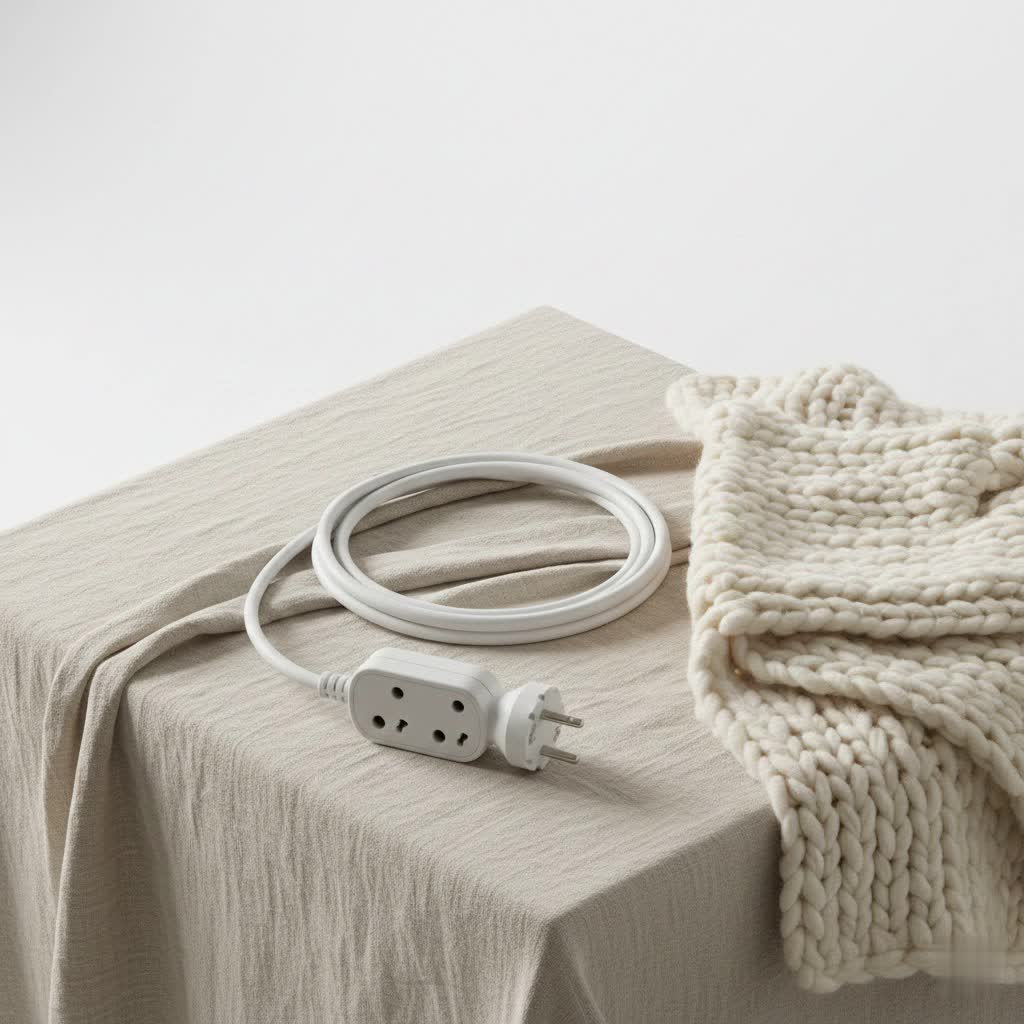
The Unsung Hero: Understanding Your Three-Prong Extension Cord
At first glance, a three-prong extension cord might seem like any other cord, just with an extra metal pin. However, that third prong is a vital component of a sophisticated safety system designed to protect you from electrical shock and potential fires. It’s more than just an “extra piece of metal”; it’s your connection to peace of mind.
The Power of the Third Prong: Why Grounding Matters
|
Our Picks for the Best Extension Cord in 2026
As an Amazon Associate I earn from qualifying purchases.
|
||
| Num | Product | Action |
|---|---|---|
| 1 | Amazon Basics Rectangle 6-Outlet, 600 Joule Surge Protector Power Strip, 2ft, Black, Small, 2-Pack |

|
| 2 | Anker Power Strip Surge Protector (2100J), 12 Outlets with 2 USB A and 1 USB C Port for Multiple Devices, 5ft Extension Cord, 20W Power Delivery Charging for Home, Office, Dorm Essential, TUV Listed |
|
| 3 | Surge Protector Power Strip - HANYCONY 8 Outlets 4 USB (2 USB C) Charging Ports, Multi Plug Outlet Extender, 5Ft Braided Extension Cord, Flat Plug Wall Mount Desk Charging Station for Home Office ETL |
|
| 4 | Amazon Basics Surge Protector Power Strip, 6-Outlet, 790 Joules, LED Indicator, 6ft Extension Cord, White |
|
| 5 | 6 Ft Surge Protector Power Strip - 8 Widely Outlets with 4 USB Ports, 3 Side Outlet Extender with 6 Feet Extension Cord, Flat Plug, Wall Mount, Desk USB Charging Station, ETL,White |
|
| 6 | One Beat 10Ft Extension Cord with Multiple Outlets,Flat Plug Power Strip Surge Protector with 10 Ft Long Cord,6 Outlet 4 USB Ports (2USB C),Multi Outlet Wall Plug for Travel,College,Dorm Essentials |
|
| 7 | Amazon Basics Surge Protector Power Strip, 6-Outlet with 200J Protection, 2ft Extension Cord, Rectangle, Black (2 Pack) |
|
| 8 | 10Ft Extension Cord with Multiple Outlets, Flat Plug Surge Protector Power Strip 10 Ft Long Cord, 8 Outlets & 4 USB Ports (2 USB C), Desk Charging Station for Home Office, College Dorm Room Essentials |
|
| 9 | Amazon Basics Extension Cord, 10 Ft, 3 Prong Outlet Extender, Indoor Extension Cord, 13 Amps, 125V, Black |
|
| 10 | POOFZY HCP045 Extension Cord, Compatible RGB+IC Permanent Outdoor Lights,9.85ft White |
|
The core reason behind the three-prong design is called grounding. This third, round prong connects to a dedicated ground wire inside the cord and, subsequently, to your electrical system’s earth ground. Why is this so critical? Imagine an electrical fault within an appliance – perhaps a loose wire touches its metal casing. Without proper grounding, that stray electricity could energize the appliance’s metal parts, turning them into a dangerous shock hazard if you touch them.
“Using the correct three-prong extension cord is non-negotiable for safety. It’s not just about getting power where you need it, but ensuring that power is delivered safely through its grounding feature. Always match your cord to your device’s needs and inspect it regularly – your safety depends on it,” explains Dr. Elias Vance, Electrical Safety Engineer at IRPGS.
The ground wire provides a safe, low-resistance path for this fault current to flow directly back to your electrical panel, causing the circuit breaker to trip and shut off the power. This rapid response prevents dangerous current levels from reaching you or your appliance. In contrast, two-prong cords lack this grounding feature, leaving a direct path for stray electricity to travel through you if you become the easiest route to the ground. This is why it’s absolutely essential to always use a three-prong extension cord when powering an appliance that also has a three-prong plug; never remove the third prong or use “cheater” adapters, as they bypass a vital safety mechanism.
Navigating the Options: Types of Three-Prong Extension Cords
The world of three-prong extension cord options is vast, and choosing the right one for the job is paramount. It’s definitely not a “one-size-fits-all” situation. Different applications require specific cord characteristics to ensure safety and optimal performance.
Built for the Elements: Indoor vs. Outdoor Cords
One of the most crucial distinctions to make is between indoor and outdoor rated three-prong extension cords. Using an indoor cord outdoors is a recipe for disaster. Outdoor cords are engineered to withstand harsh environmental conditions, featuring more durable insulation made from materials like plastic, rubber, or vinyl. This protective covering guards against moisture, extreme temperatures, and UV light, which can degrade indoor cords rapidly. You’ll often find outdoor cords in bright colors like orange or green, and they will explicitly have a “W” (for weather-resistant) in their alphanumeric code on the jacket. Always look for this “W” to ensure your cord is suitable for outdoor use.
The Core of the Cord: Understanding Wire Gauge and Amperage
Beyond just indoor or outdoor rating, the internal wiring of your three-prong extension cord is critical. This brings us to wire gauge, often expressed as AWG (American Wire Gauge). Think of gauge as the thickness of the wire: the lower the AWG number, the thicker the wire, and the greater its capacity to carry electrical current (amperage) without overheating.
- Higher AWG numbers (e.g., 16, 18 gauge): These cords have thinner wires and are suitable for light-duty applications like lamps, small portable fans, or charging low-power electronics.
- Lower AWG numbers (e.g., 12, 14 gauge): These cords feature thicker wires and can handle moderate to heavy-duty appliances like power tools, lawnmowers, or vacuums. For very heavy-duty or industrial use, you might even encounter 10-gauge or lower.
Matching the cord’s amperage rating and wire gauge to the power requirements of your appliance is non-negotiable. An undersized cord will heat up, posing a serious fire risk and potentially damaging your appliance.
Beyond the Basics: Specialty Three-Prong Cords
While standard three-prong extension cords cover most needs, some specialty options offer enhanced safety features. Ground Fault Circuit Interrupter (GFCI) extension cords are one such example. These cords have a built-in GFCI device that detects imbalances in electrical current, indicating a ground fault, and rapidly cuts off power. They are particularly beneficial in damp environments like kitchens, bathrooms, or outdoors, adding an extra layer of protection against severe electrical shocks.
Choosing Your Champion: Selecting the Right Three-Prong Extension Cord
Selecting the perfect three-prong extension cord isn’t just about grabbing the first one you see. It involves a thoughtful assessment of your specific needs to ensure both safety and efficiency.
Match Made in Heaven: Power Requirements and Compatibility
The golden rule is simple: if your appliance has a three-prong plug, it absolutely requires a three-prong extension cord. Never try to force a three-prong plug into a two-prong outlet using an adapter, as this completely bypasses the grounding safety feature. Beyond the physical fit, you must match the cord’s electrical rating (wattage and amperage) to the power requirements of your device. Always check the labels on both your appliance and the extension cord. The cord’s rating should always meet or exceed the appliance’s demands. For example, a heavy-duty electric saw demands a robust, low-gauge three-prong extension cord, while a small table lamp needs much less power.
Length and Labyrinth: Finding the Ideal Cord Length
When it comes to length, shorter is generally better. The longer a three-prong extension cord is, the more resistance it has, which can lead to a voltage drop and reduced power delivery. This can cause appliances to run inefficiently, overheat, and even suffer damage. Always choose the shortest cord that can comfortably reach your power source without being stretched taut. Critically, never “daisy-chain” multiple extension cords together to achieve greater length, as this significantly increases the risk of overloading circuits and fire. If you consistently need a very long cord, consider the next heavier gauge to compensate for voltage drop.
Your Seal of Approval: The Importance of Safety Certifications
A legitimate three-prong extension cord will always carry safety certifications from recognized testing laboratories. In North America, the “UL Listed” mark (Underwriters Laboratories) is a common and trusted indicator that the product has met stringent safety standards. Other certifications like CSA (Canadian Standards Association) are also reputable. If a cord lacks such a certification or has an illegible label, avoid it. Additionally, pay attention to the alphanumeric codes printed on the cord’s jacket. These codes, like “SJTW” or “SJOOW,” provide crucial information about the cord’s insulation type, voltage rating, and whether it’s suitable for outdoor, oil-resistant, or heavy-duty use. For instance, ‘S’ denotes a flexible cord for general use, ‘W’ indicates outdoor rating, ‘J’ signifies standard 300-volt insulation, ‘O’ means oil-resistant, and ‘T’ refers to a thermoplastic vinyl jacket.
The Long Haul: Safe Use and Maintenance for Your Three-Prong Extension Cord
Even the best three-prong extension cord can become a hazard if not used and maintained properly. Think of it as an electrical lifeline – it needs care and respect to serve you safely for years.
The Golden Rules: Do’s and Don’ts of Extension Cord Use
To maximize safety and extend the life of your three-prong extension cord, here are some essential guidelines:
-
DO:
- Inspect Before Every Use: Always check your cord for signs of damage like fraying, cracks, exposed wires, or discolored/melted spots.
- Replace Damaged Cords: If you find any damage, replace the cord immediately. Attempting to repair a damaged extension cord is dangerous.
- Match Plug to Outlet: Ensure your three-prong plug fits snugly into a grounded three-prong outlet.
- Mind the Load: Never overload an extension cord by plugging in too many high-wattage appliances. This can cause overheating and trip circuit breakers.
- Unplug When Not in Use: Always unplug extension cords when they are not in active use or when you leave the area for an extended period.
- Use Cord Clips: Secure cords with proper cord clips to prevent tripping hazards and damage.
-
DON’T:
- Never Remove the Third Prong: This bypasses the critical grounding safety feature.
- Avoid “Cheater” Adapters: These adapters defeat the purpose of grounding.
- Don’t Daisy-Chain: Plugging one extension cord into another can lead to severe overloading.
- No Permanent Wiring Substitute: Extension cords are for temporary use. If you constantly rely on one in a particular spot, consider having a permanent outlet installed by a qualified electrician.
- Avoid Running Under Rugs or Carpets: This traps heat, creating a fire hazard, and prevents you from seeing potential damage. It also creates a tripping hazard.
- Don’t Staple or Nail Cords: This can puncture the insulation and expose live wires.
- Keep Away from Water/Dampness: Never use or store cords in wet or damp environments unless they are specifically rated for submerged use (which most aren’t). Moisture can lead to electrical shock.
Keeping It Pristine: Proper Storage and Care
Proper storage is key to preventing damage. When not in use, coil your three-prong extension cord neatly and store it in a dry, protected area, away from extreme temperatures or direct sunlight. Avoid tightly winding cords, as this can stress the internal wires over time. Keeping them clean and free from kinks or sharp bends will significantly extend their lifespan and maintain their safety features.
When Things Go Sideways: Common Issues and Troubleshooting
Even with careful usage, issues can arise. Knowing what to look for can help you identify problems early and prevent escalation.
Signs of Trouble: Overheating and Tripped Breakers
If your three-prong extension cord feels warm to the touch, or if your circuit breaker frequently trips when an appliance is plugged in, these are clear warning signs. Overheating indicates that the cord is carrying more current than it can safely handle, which is a major fire hazard. A tripped breaker is your electrical system’s way of telling you that there’s an overload or a fault. In either case, immediately unplug the appliance and the extension cord. Reassess the power requirements of your device, the cord’s rating, and consider a heavier-gauge cord or reducing the load on that circuit.
Beyond Repair: Knowing When to Replace a Damaged Cord
Any visible damage to a three-prong extension cord – such as cuts, fraying, exposed wires, or melted insulation – means it’s time for replacement. Do not attempt to tape, splice, or repair a damaged cord. The integrity of the insulation and internal wiring is paramount for electrical safety, and once compromised, it cannot be reliably restored outside of manufacturing standards. Prioritize safety over saving a few dollars; a damaged cord is a serious electrical hazard.
Frequently Asked Questions (FAQ)
Q: Can I use a three-prong extension cord with a two-prong adapter?
A: No, absolutely not. Using a two-prong adapter with a three-prong extension cord defeats the critical grounding safety feature and can lead to severe electrical shock or fire hazards. Always plug a three-prong cord into a properly grounded three-prong outlet.
Q: How do I know what gauge extension cord I need?
A: The gauge (AWG) determines the cord’s capacity to carry current. Lower AWG numbers (e.g., 12 or 14) indicate thicker wires and higher capacity, suitable for heavy-duty tools. Higher AWG numbers (e.g., 16 or 18) are for lighter loads. Match the cord’s amperage rating to your appliance’s requirements; the cord’s rating should always meet or exceed the appliance’s.
Q: What does “UL Listed” mean for an extension cord?
A: “UL Listed” means that Underwriters Laboratories, an independent product safety testing and certification organization, has tested the three-prong extension cord and determined it meets their safety standards. It’s a vital mark of safety and reliability.
Q: Can extension cords be used permanently?
A: No, extension cords are designed for temporary use only. They are not intended as a substitute for permanent wiring. Constant, long-term use can degrade cords, create fire risks, and violate electrical codes. If you need a permanent power source in a location, consult a licensed electrician to install additional outlets.
Q: Is it safe to use an outdoor extension cord indoors?
A: Yes, it is generally safe to use an outdoor-rated three-prong extension cord indoors. Outdoor cords are built with more robust insulation and features for harsher conditions, making them perfectly capable of indoor use. However, the reverse is not true: never use an indoor-rated cord outdoors.
Q: How often should I inspect my extension cords?
A: You should visually inspect all your three-prong extension cords for any signs of damage (fraying, cuts, discoloration, melting) before each use. This quick check can prevent serious electrical hazards.
Conclusion
Understanding and properly utilizing a three-prong extension cord is far more than a trivial detail – it’s a cornerstone of electrical safety in our modern lives. From comprehending the life-saving role of grounding to selecting the right gauge for your power tools and adhering to safe usage practices, every decision contributes to a secure environment. As experts at IRPGS, we emphasize that knowledge is your most powerful tool. By choosing the correct three-prong extension cord, maintaining it diligently, and being aware of its safety purpose, you ensure that convenience never comes at the cost of your well-being. Empower yourself with this knowledge, and keep your power connections safe and efficient.
